English
 Arabic

Truck Tire Pressure Guide, Proper tire pressure is one of the most important factors in keeping a truck safe, fuel-efficient, and road-ready. Whether you operate a commercial fleet, drive a pickup truck for work, or manage long-haul transportation, understanding the basics of tire inflation can help extend tire life and improve overall vehicle performance.
This complete truck tire pressure guide explains recommended PSI levels, how to check tire pressure correctly, common mistakes to avoid, and why maintaining the right inflation matters for every type of truck.
Why Truck Tire Pressure Matters
Truck tires carry heavy loads over long distances. Incorrect tire pressure can lead to:
- Uneven tire wear
- Reduced fuel efficiency
- Poor handling and braking
- Tire overheating
- Blowouts and safety hazards
- Increased maintenance costs
Keeping tires inflated to the manufacturer’s recommended pressure improves stability, traction, and load-carrying capability.
Understanding PSI in Truck Tires
PSI stands for “Pounds per Square Inch.” It measures the amount of air pressure inside a tire.
Most truck tires require significantly higher PSI than passenger vehicles because they support heavier loads. The ideal pressure depends on:
- Truck type
- Tire size
- Cargo weight
- Road conditions
- Weather temperature
Always refer to:
- The truck manufacturer’s sticker
- Tire sidewall specifications
- Fleet maintenance recommendations
Recommended Tire Pressure for Different Trucks
Light-Duty Pickup Trucks
Typical PSI range:
- Front tires: 35–45 PSI
- Rear tires: 35–50 PSI
Higher pressure may be required when towing or carrying heavy loads.
Heavy-Duty Commercial Trucks
Typical PSI range:
- Steer tires: 100–130 PSI
- Drive tires: 85–110 PSI
- Trailer tires: 90–120 PSI
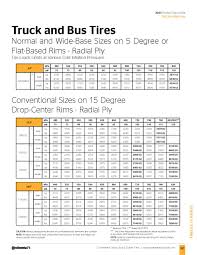
Commercial trucks usually follow detailed load and inflation charts provided by tire manufacturers.
How to Check Truck Tire Pressure
Checking tire pressure regularly is essential for safe operation.
Step-by-Step Process
- Use a high-quality tire pressure gauge
- Check tires when cold
- Remove the valve cap
- Press the gauge firmly onto the valve stem
- Compare the reading to the recommended PSI
- Add or release air as needed
- Replace the valve cap securely
Drivers should inspect tire pressure:
- Before long trips
- During seasonal temperature changes
- After hauling heavy cargo
Cold Weather and Tire Pressure
Temperature greatly affects tire inflation.
As a rule:
- Tire pressure drops about 1 PSI for every 10°F decrease in temperature
- Hot weather increases internal pressure
Winter conditions often lead to underinflated truck tires, while summer heat can increase the risk of overinflation if tires are already near maximum capacity.
Signs of Incorrect Truck Tire Pressure
Underinflated Tires
Common symptoms include:
- Excessive sidewall flex
- Poor fuel economy
- Slow steering response
- Tire overheating
- Increased tread wear on edges
Overinflated Tires
Signs include:
- Harsh ride quality
- Reduced traction
- Center tread wear
- Greater risk of impact damage
Benefits of Proper Truck Tire Inflation
Maintaining correct tire pressure offers several advantages:
Better Fuel Efficiency
Properly inflated tires reduce rolling resistance, helping trucks consume less fuel.
Longer Tire Life
Even tread wear extends tire lifespan and reduces replacement frequency.
Improved Safety
Correct PSI improves braking, handling, and vehicle stability.
Lower Operating Costs
Fleet operators can reduce maintenance expenses and downtime.
Tire Pressure Monitoring Systems (TPMS)
Many modern trucks use TPMS technology to monitor tire pressure in real time.
Benefits include:
- Early leak detection
- Improved driver awareness
- Reduced blowout risk
- Better maintenance scheduling
Drivers should still perform manual inspections because sensors may not detect every issue.
Common Tire Pressure Mistakes
Avoid these common errors:
- Checking pressure after driving
- Ignoring seasonal changes
- Using inaccurate gauges
- Inflating only by visual appearance
- Forgetting spare tire maintenance
- Exceeding maximum sidewall PSI
Consistent inspections help prevent costly tire failures.
Truck Tire Maintenance Tips
A complete tire care routine should include:
- Regular pressure checks
- Tire rotation
- Wheel alignment
- Tread depth inspection
- Valve stem replacement
- Balancing services
Routine maintenance improves tire performance and road safety.
Final Thoughts
This truck tire pressure guide highlights the importance of maintaining correct PSI levels for safety, efficiency, and long-term tire performance. Whether operating a pickup truck or a heavy commercial vehicle, proper tire inflation helps reduce wear, improve fuel economy, and prevent dangerous roadside failures.