English
 Arabic

Reinforced Radial Tire Benefits, In today’s transportation and industrial sectors, tires play a critical role in safety, efficiency, and overall vehicle performance. Among the many tire technologies available, reinforced radial tires have become a preferred choice for commercial trucks, construction equipment, agricultural machinery, and even passenger vehicles. Understanding the reinforced radial tire benefits can help fleet owners, drivers, and businesses make smarter decisions when choosing durable and high-performing tires.
What Are Reinforced Radial Tires?
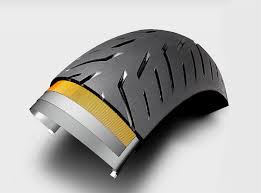
Reinforced radial tires are specially designed tires that feature stronger internal construction compared to standard radial tires. These tires use reinforced steel belts, tougher sidewalls, and advanced rubber compounds to improve durability and load-carrying capability.
Unlike traditional bias-ply tires, radial tires have cords arranged perpendicular to the direction of travel, which allows for better flexibility and road contact. The added reinforcement enhances their strength without sacrificing ride comfort or fuel efficiency.
Key Reinforced Radial Tire Benefits
1. Improved Load Capacity
One of the biggest reinforced radial tire benefits is the ability to carry heavier loads safely. Reinforced structures help distribute weight evenly across the tire surface, reducing stress and minimizing the risk of tire failure.
This makes them ideal for:
- Heavy-duty trucks
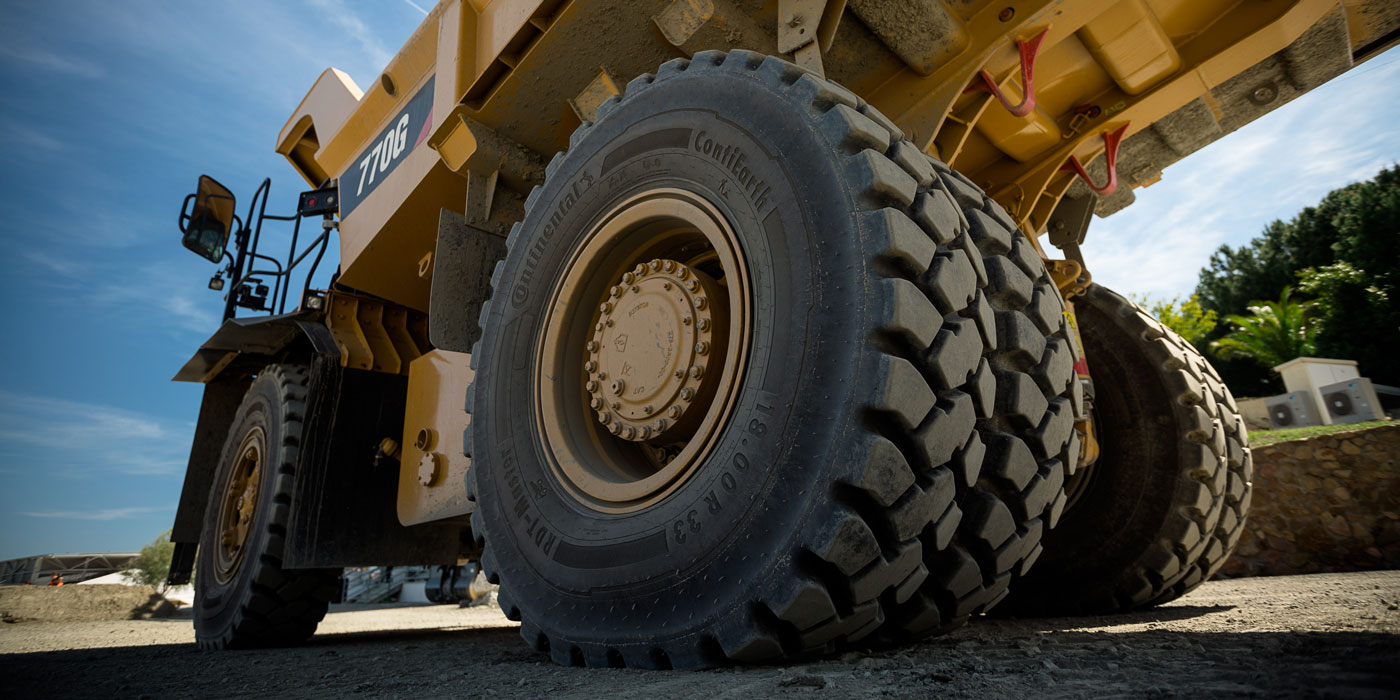
- Mining vehicles
- Agricultural equipment
- Construction machinery
- Industrial transport fleets
Vehicles that frequently carry cargo or operate under demanding conditions greatly benefit from the enhanced load-bearing capacity.
2. Enhanced Durability
Reinforced radial tires are built to withstand rough terrain, high temperatures, and long operating hours. Their stronger internal construction reduces wear and tear, helping them last significantly longer than conventional tires.
The durability advantage results in:
- Fewer tire replacements
- Lower maintenance costs
- Reduced downtime
- Better return on investment
For businesses operating large fleets, these savings can become substantial over time.
3. Better Fuel Efficiency
Fuel economy is another major reason why many operators choose reinforced radial tires. Their radial construction reduces rolling resistance, meaning the engine requires less energy to move the vehicle forward.
Benefits include:
- Lower fuel consumption
- Reduced operating costs
- Improved environmental performance
In commercial transportation, even small fuel savings per mile can lead to significant annual cost reductions.
4. Superior Traction and Stability
Another important point when discussing reinforced radial tire benefits is improved traction. These tires maintain better road contact, providing enhanced grip on highways, off-road surfaces, wet conditions, and uneven terrain.
Drivers experience:
- Better vehicle stability
- Improved cornering control
- Reduced skidding risks
- Safer braking performance
This is especially valuable for vehicles operating in harsh weather or challenging job sites.
5. Longer Tread Life
Reinforced radial tires generally wear more evenly due to their advanced design. Even tread wear helps maximize tire lifespan while maintaining consistent performance throughout the tire’s service life.
Longer tread life means:
- Reduced replacement frequency
- Lower ownership costs
- More reliable performance
For long-haul transportation and industrial operations, extended tread life is a major operational advantage.
6. Increased Resistance to Damage
Reinforced tires are specifically engineered to resist punctures, cuts, and impacts. Tougher sidewalls and reinforced belts help protect against road hazards, sharp debris, and rough terrain.
This feature is particularly useful in:
- Mining operations
- Construction zones
- Agricultural fields
- Off-road environments
Improved resistance to damage also enhances workplace safety and operational reliability.
7. Better Heat Dissipation
Heat buildup is a common cause of tire failure, especially during long-distance driving or heavy-duty operation. Reinforced radial tires are designed to dissipate heat more effectively, reducing the chances of overheating.
Proper heat management helps:
- Prevent blowouts
- Improve tire lifespan
- Enhance driving safety
This benefit is especially critical for commercial trucking and high-speed transportation.
Applications of Reinforced Radial Tires
The growing demand for reinforced radial tire technology spans multiple industries, including:
Commercial Transportation
Truck fleets rely on reinforced radial tires for long-distance hauling, fuel efficiency, and heavy cargo support.
Agriculture
Farm equipment requires durable tires capable of handling muddy terrain, heavy loads, and long working hours.
Construction and Mining
Heavy machinery operating in extreme conditions benefits from the durability and puncture resistance of reinforced radial tires.
Passenger Vehicles
Some SUVs, vans, and performance vehicles use reinforced radial tires for enhanced handling and extra carrying capacity.
Reinforced Radial Tires vs Standard Tires
When comparing reinforced radial tires to standard tires, the reinforced versions typically offer:
| Feature | Reinforced Radial Tires | Standard Tires |
|---|---|---|
| Load Capacity | Higher | Moderate |
| Durability | Excellent | Average |
| Fuel Efficiency | Better | Standard |
| Tread Life | Longer | Shorter |
| Damage Resistance | Strong | Basic |
| Stability | Superior | Moderate |
While reinforced radial tires may have a higher upfront cost, their long-term performance and reduced maintenance expenses often make them a more economical investment.
Choosing the Right Reinforced Radial Tire
Selecting the right tire depends on several factors:
- Vehicle type
- Load requirements
- Road conditions
- Climate
- Operating environment
It is important to choose tires from reputable manufacturers that meet industry safety and performance standards.
Final Thoughts
The demand for stronger, safer, and more efficient tires continues to grow across transportation and industrial sectors. The many reinforced radial tire benefits — including improved durability, better fuel efficiency, enhanced load capacity, and superior safety — make these tires an excellent choice for demanding applications.
Whether used for commercial trucking, agriculture, construction, or passenger vehicles, reinforced radial tires provide long-lasting performance and dependable reliability. Investing in high-quality reinforced radial tires can ultimately reduce operational costs while improving vehicle productivity and safety.