English
 Arabic

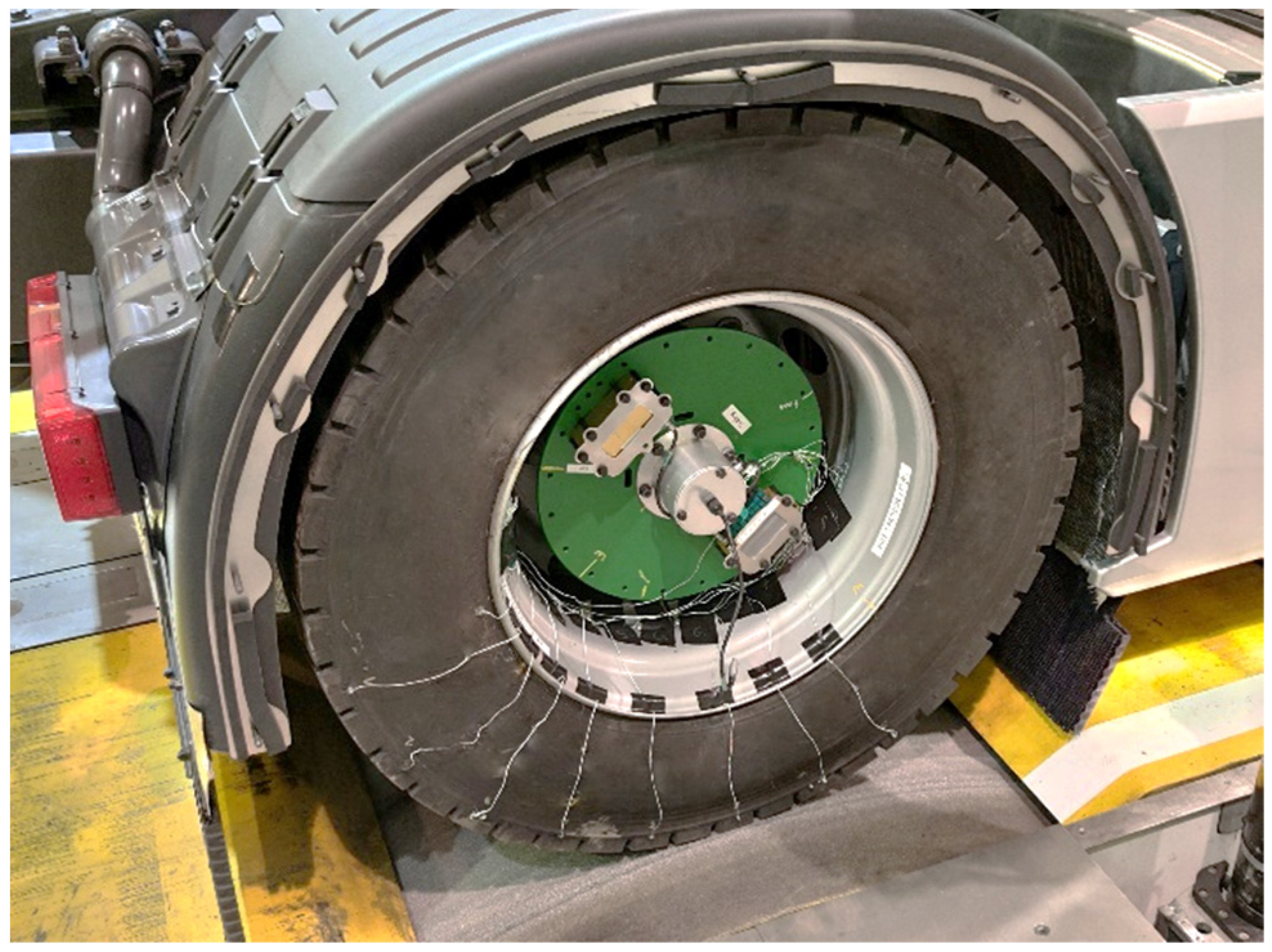
Truck Tire Heat Resistance Explained, Truck tires are built to handle massive loads, long highway journeys, and harsh road conditions. One of the most important features behind their performance and safety is heat resistance. Understanding how truck tire heat resistance works can help fleet owners, drivers, and operators improve tire life, fuel efficiency, and road safety.
What Is Truck Tire Heat Resistance?
Truck tire heat resistance refers to a tire’s ability to withstand and manage the heat generated while driving. As a truck moves, friction between the tire and the road creates heat. Additional heat also develops from heavy loads, high speeds, braking, and hot weather conditions.
If excessive heat builds up inside the tire, it can cause:
- Tire blowouts
- Premature tread wear
- Reduced fuel efficiency
- Sidewall damage
- Tire separation
- Increased risk of accidents
Heat-resistant truck tires are engineered to reduce heat buildup and maintain stable performance under demanding conditions.
Why Heat Builds Up in Truck Tires
Several factors contribute to rising tire temperatures during operation.
Heavy Loads
Commercial trucks carry substantial weight. The greater the load, the more stress placed on the tire structure. This stress generates internal heat as the tire flexes while rolling.
High-Speed Driving
Driving at higher speeds increases friction between the tire tread and the road surface. Continuous highway driving can significantly raise tire temperatures.
Underinflation
Underinflated tires flex more than properly inflated tires. Excessive flexing creates additional internal friction and heat, which can quickly damage the tire casing.
Hot Weather Conditions
Summer temperatures and heated road surfaces increase the external temperature acting on the tire. Combined with operational heat, this can push tires beyond safe limits.
Poor Road Conditions
Rough roads, potholes, and uneven surfaces force tires to absorb more impact energy, generating extra heat during operation.
How Truck Tires Resist Heat
Modern truck tires use advanced engineering and materials to improve heat resistance.
Specialized Rubber Compounds
Manufacturers use heat-resistant rubber compounds designed to reduce rolling resistance and minimize heat generation. These compounds remain stable even during long-distance hauling.
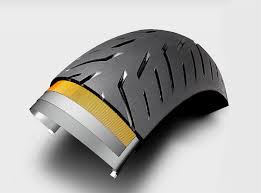
Steel Belt Construction
Truck tires often include reinforced steel belts that strengthen the tire structure. Strong internal construction helps distribute heat evenly and prevents weak spots from developing.
Advanced Tread Design
Efficient tread patterns improve airflow around the tire and reduce friction with the road. Some tread designs are specifically optimized for cooler running temperatures.
Heat-Resistant Sidewalls
The sidewall area experiences significant flexing. Heat-resistant sidewall materials help maintain tire durability during heavy-duty use.
Signs of Excessive Tire Heat
Drivers and fleet managers should monitor tires regularly for signs of overheating.
Common warning signs include:
- Rapid air pressure loss
- Cracks in the sidewall
- Unusual tread wear
- Burning rubber smell
- Bulges or blisters
- Tire vibration while driving
Ignoring these symptoms can lead to dangerous tire failures on the road.
Importance of Proper Tire Maintenance
Even the best heat-resistant truck tires require proper maintenance to perform effectively.
Maintain Correct Tire Pressure
Correct inflation is critical for reducing heat buildup. Regular pressure checks help ensure safe operation and extend tire life.
Avoid Overloading
Exceeding the recommended load capacity places extreme stress on truck tires and dramatically increases operating temperatures.
Perform Regular Tire Inspections
Routine inspections can identify early signs of heat damage before they become serious safety issues.
Rotate Tires Frequently
Proper tire rotation promotes even tread wear and balanced heat distribution across all tires.
Monitor Wheel Alignment
Misaligned wheels create uneven friction, which increases heat and accelerates tire wear.
Benefits of Heat-Resistant Truck Tires
Choosing high-quality heat-resistant tires offers several advantages.
Improved Safety
Heat-resistant tires reduce the likelihood of blowouts and structural failures during long hauls.
Longer Tire Lifespan
Lower operating temperatures help preserve tread and casing integrity, extending tire service life.
Better Fuel Efficiency
Cooler-running tires typically produce lower rolling resistance, which can improve fuel economy.
Reduced Downtime
Fewer tire-related breakdowns help keep trucks on the road and reduce maintenance costs.
Choosing the Right Truck Tire
When selecting truck tires, consider factors such as:
- Load capacity
- Speed rating
- Road conditions
- Climate
- Long-haul or regional use
- Fuel efficiency requirements
Premium commercial tire brands often provide detailed heat resistance and durability specifications to help buyers choose the best option for their operations.
Final Thoughts
Truck tire heat resistance explained simply means managing and reducing the dangerous heat generated during commercial driving. Heat-resistant tires play a major role in safety, durability, and operational efficiency for trucking businesses.
By choosing quality truck tires and following proper maintenance practices, drivers and fleet operators can reduce tire failures, improve performance, and maximize the lifespan of their commercial tires.