English
 Arabic

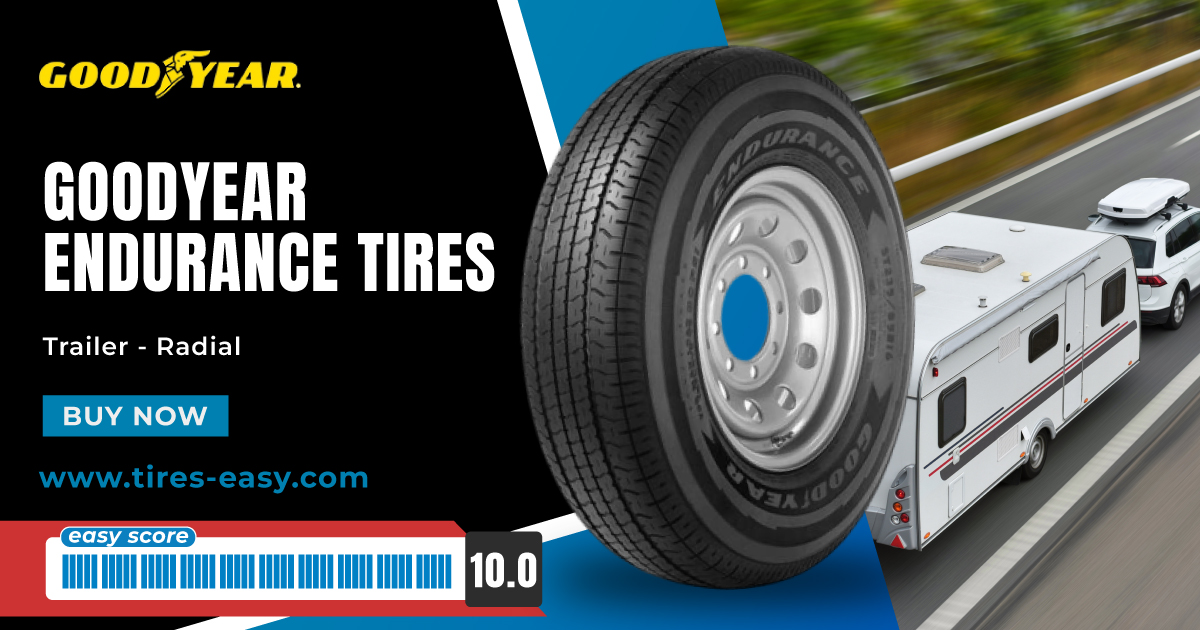
Trailer Tires Buying Guide, When it comes to towing safety, choosing the right trailer tires is just as important as selecting the right trailer itself. Whether you use your trailer for hauling equipment, transporting boats, carrying livestock, or road trips with an RV, the right tires improve stability, handling, fuel efficiency, and overall safety. This trailer tires buying guide will help you understand the key factors to consider before purchasing new trailer tires.
Why Trailer Tires Matter
Trailer tires are specifically designed to handle heavy loads and constant towing stress. Unlike passenger vehicle tires, trailer tires have reinforced sidewalls that provide better support and reduce trailer sway. Using the wrong type of tire can lead to blowouts, uneven wear, and dangerous driving conditions.
A quality trailer tire offers:
- Better load-carrying capacity
- Improved towing stability
- Reduced heat buildup
- Longer tread life
- Safer highway performance
Understanding Trailer Tire Types
Before buying trailer tires, it’s important to understand the different types available.
ST (Special Trailer) Tires
ST tires are made specifically for trailers. They feature stronger sidewalls and are engineered to carry heavier loads than passenger tires. These are the most common and recommended tires for utility trailers, campers, and boat trailers.
LT (Light Truck) Tires
LT tires are designed for trucks but are sometimes used on trailers. They provide a smoother ride but may not offer the same sidewall stiffness as ST tires. LT tires are often suitable for heavier commercial applications.
Bias Ply Tires
Bias ply tires have overlapping layers of rubber cords. They are durable and cost-effective, making them ideal for off-road or agricultural trailer use.
Advantages:
- Lower price
- Tough sidewalls
- Good for rough terrain
Disadvantages:
- Shorter tread life
- Less fuel efficient
- Rougher highway ride
Radial Tires
Radial trailer tires are the most popular option for highway towing. They run cooler, last longer, and offer better fuel economy.
Advantages:
- Longer tread life
- Better heat dissipation
- Smoother towing experience
- Improved fuel efficiency
Disadvantages:
- Slightly more expensive
How to Read Trailer Tire Sizes
Understanding tire sizing is essential in any trailer tires buying guide. A common trailer tire size may look like this:
ST225/75R15
Here’s what it means:
- ST = Special Trailer tire
- 225 = Tire width in millimeters
- 75 = Aspect ratio
- R = Radial construction
- 15 = Wheel diameter in inches
Always match the tire size recommended by the trailer manufacturer.
Choosing the Correct Load Rating
Load capacity is one of the most important factors when buying trailer tires. Every trailer tire has a maximum weight rating.
To determine the correct load rating:
- Find your trailer’s Gross Vehicle Weight Rating (GVWR)
- Divide the weight by the number of tires
- Choose tires that exceed the required capacity
Never overload trailer tires, as this can cause overheating and tire failure.
Speed Ratings for Trailer Tires
Many trailer owners overlook speed ratings. Traditional trailer tires were often limited to 65 mph, but newer models may support higher speeds.
Common speed ratings include:
- L = 75 mph
- M = 81 mph
- N = 87 mph
Always check the manufacturer’s specifications and avoid exceeding the recommended speed.
Tire Ply Rating Explained
Ply rating indicates the tire’s strength and load-carrying ability. Common trailer tire ply ratings include:
- 4-ply
- 6-ply
- 8-ply
- 10-ply
Higher ply ratings generally provide greater durability and higher load capacity.
Importance of Proper Tire Inflation
Maintaining correct tire pressure is critical for trailer safety and tire longevity.
Underinflated tires can cause:
- Excess heat buildup
- Poor fuel economy
- Uneven wear
- Blowouts
Overinflated tires can cause:
- Reduced traction
- Harsh ride quality
- Uneven center tread wear
Always check tire pressure before towing.
Signs You Need New Trailer Tires
Replace your trailer tires if you notice:
- Cracks in the sidewall
- Uneven tread wear
- Bulges or bubbles
- Frequent air loss
- Tread depth below safe levels
- Tires older than 5–7 years
Even if the tread looks good, aging trailer tires can become unsafe over time.
Best Trailer Tires for Different Applications
Boat Trailers
Look for corrosion-resistant tires designed to handle wet conditions and highway travel.
RV Trailers
Choose radial ST tires with high load ratings for long-distance towing.
Utility Trailers
Durable bias ply or radial tires work well depending on terrain and usage frequency.
Heavy Equipment Trailers
Select heavy-duty tires with higher ply ratings and reinforced construction.
Tips for Extending Trailer Tire Life
Follow these maintenance tips to maximize tire lifespan:
- Check tire pressure regularly
- Rotate tires when needed
- Store trailers away from direct sunlight
- Avoid overloading
- Inspect tires before every trip
- Keep wheels properly aligned
Common Mistakes to Avoid
Many trailer owners make avoidable mistakes when purchasing tires.
Avoid these common errors:
- Using passenger car tires on trailers
- Ignoring load ratings
- Mixing tire types
- Buying the cheapest tires available
- Neglecting tire maintenance
Investing in quality trailer tires improves both safety and long-term value.
Final Thoughts
This trailer tires buying guide highlights the most important factors to consider before purchasing trailer tires. From selecting the correct size and load rating to understanding radial versus bias ply construction, choosing the right tires can make towing safer and more efficient.