English
 Arabic

Truck Tire Load Rating Explained, When shopping for commercial tires, one of the most important specifications to understand is the truck tire load rating. Choosing the correct load-rated tire helps improve safety, fuel efficiency, tire lifespan, and overall vehicle performance. Whether you drive a pickup truck, semi-truck, dump truck, or construction vehicle, understanding load ratings is essential for carrying cargo safely.
In this guide, we’ll break down everything you need to know about truck tire load rating explained, including what it means, how to read tire markings, load range charts, and how to choose the right tire for your truck.
What Is a Truck Tire Load Rating?
A truck tire load rating refers to the maximum weight a tire can safely support when properly inflated. Every tire is engineered to carry a specific amount of weight, and exceeding that limit can cause:
- Tire blowouts
- Uneven wear
- Poor handling
- Reduced braking performance
- Suspension damage
- Increased accident risk
The load rating is usually represented by a load index number or a load range letter printed on the tire sidewall.
Why Truck Tire Load Ratings Matter
Understanding truck tire load ratings is critical because trucks regularly haul heavy cargo. Using the wrong tires can lead to dangerous driving conditions and expensive repairs.
Key Benefits of Proper Load Ratings
- Improved road safety
- Better towing capability
- Longer tire life
- Enhanced fuel economy
- Stable steering and handling
- Compliance with transportation regulations
Fleet operators and owner-operators especially rely on proper tire ratings to reduce downtime and maintenance costs.
How to Read a Truck Tire Load Rating
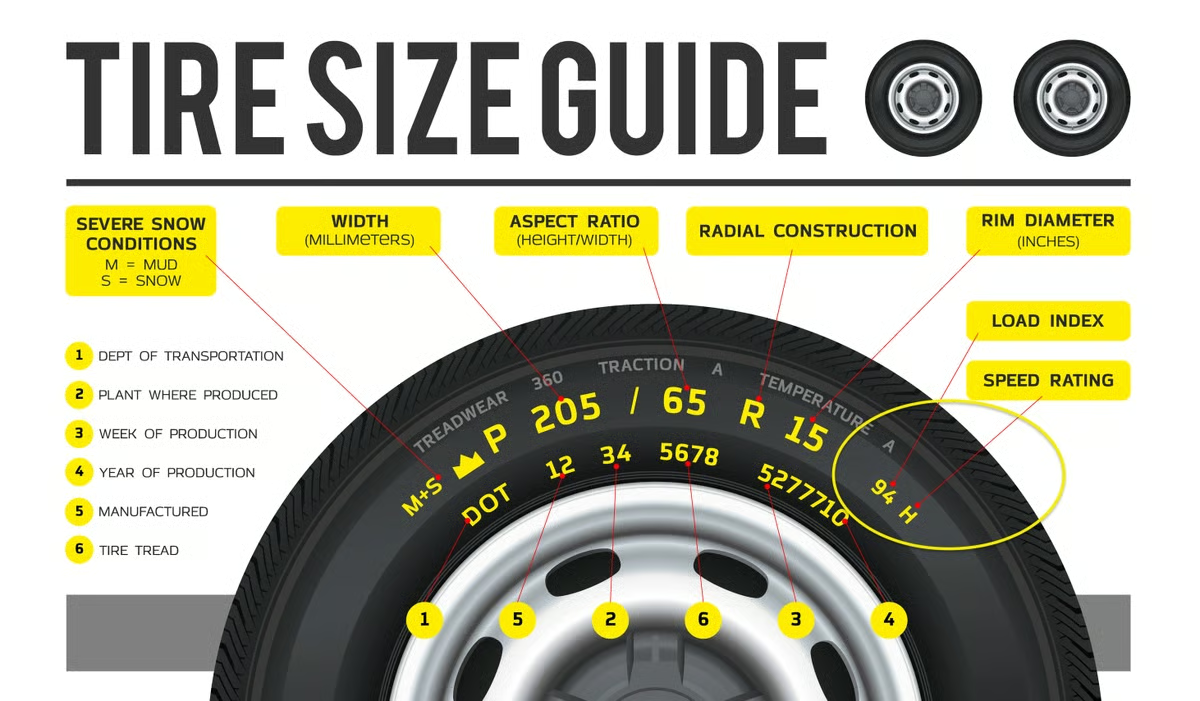
Truck tires display important information on the sidewall. Here’s an example:
LT275/65R18 123/120S Load Range E
Let’s break it down:
| Tire Marking | Meaning |
|---|---|
| LT | Light Truck tire |
| 275 | Tire width in millimeters |
| 65 | Aspect ratio |
| R18 | Radial tire for 18-inch wheel |
| 123/120 | Load index |
| S | Speed rating |
| Load Range E | Ply rating/load capacity |
The most important section for load capacity is the load index and load range.
Understanding Load Index Numbers
The load index is a numerical code corresponding to the tire’s maximum carrying capacity.
Here are common truck tire load indexes:
| Load Index | Maximum Load Capacity |
|---|---|
| 115 | 2,679 lbs |
| 120 | 3,086 lbs |
| 123 | 3,417 lbs |
| 125 | 3,638 lbs |
| 128 | 3,968 lbs |
| 130 | 4,189 lbs |
For dual-wheel applications, two numbers may appear, such as 123/120:
- First number = single tire application
- Second number = dual tire application
What Is Load Range?
Load range is another way manufacturers classify truck tire strength. Older tires used “ply ratings,” but modern tires now use alphabetical load ranges.
Common Truck Tire Load Ranges
| Load Range | Ply Rating Equivalent | Typical PSI |
|---|---|---|
| C | 6-ply | 50 PSI |
| D | 8-ply | 65 PSI |
| E | 10-ply | 80 PSI |
| F | 12-ply | 95 PSI |
| G | 14-ply | 110 PSI |
| H | 16-ply | 125 PSI |
A higher load range means the tire can support heavier loads at higher inflation pressures.
Truck Tire Load Rating Explained for Different Truck Types
Pickup Trucks
Most pickup trucks use:
- Load Range C, D, or E tires
- Suitable for towing trailers and hauling cargo
Load Range E tires are especially popular for heavy-duty pickups.
Semi-Trucks
Commercial semi-trucks require:
- High load indexes
- Load Range G, H, or higher
- Durable tires for long-haul transportation
These tires support extremely heavy axle loads and continuous highway driving.
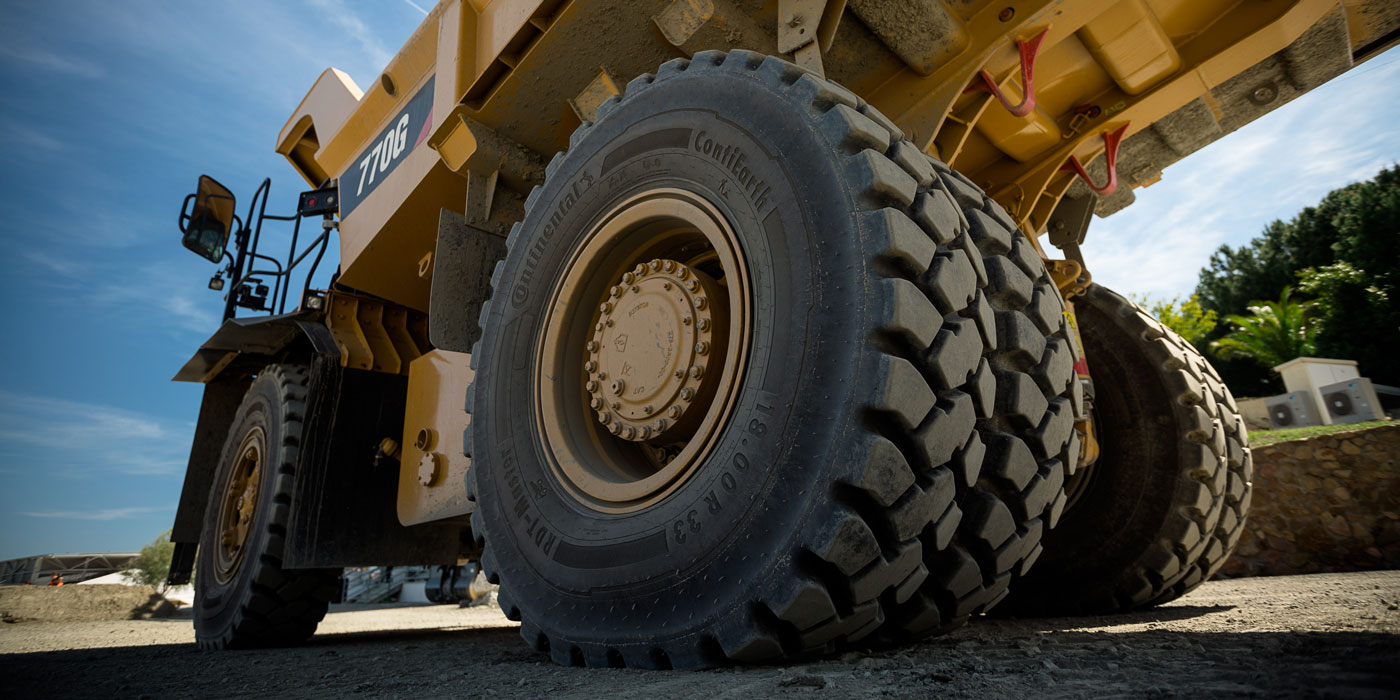
Construction and Off-Road Trucks
Dump trucks and earthmovers often use:
- Extra-heavy-duty tires
- Reinforced sidewalls
- Specialized tread patterns
These tires must handle rough terrain and oversized loads.
What Happens If You Exceed Tire Load Rating?
Overloading tires is extremely dangerous. Problems may include:
- Excessive heat buildup
- Sidewall failure
- Tread separation
- Reduced fuel efficiency
- Poor braking distance
- Suspension stress
Even if a tire appears fine externally, overloading shortens its lifespan dramatically.
How to Choose the Correct Truck Tire Load Rating
1. Check Your Vehicle’s GVWR
GVWR (Gross Vehicle Weight Rating) indicates the maximum safe weight of your truck, including cargo and passengers.
2. Calculate Cargo Weight
Always include:
- Cargo
- Trailer tongue weight
- Passengers
- Fuel
- Equipment
3. Match Tire Capacity to Axle Loads
Your tires should comfortably support the load on each axle without reaching maximum limits continuously.
4. Follow Manufacturer Recommendations
Always consult:
- Vehicle owner’s manual
- Tire placard
- Fleet maintenance guidelines
Tire Inflation and Load Capacity
Truck tire load ratings only apply when tires are inflated correctly.
Underinflated tires:
- Carry less weight safely
- Wear faster
- Generate excess heat
Overinflated tires:
- Reduce traction
- Cause uneven tread wear
- Affect ride comfort
Maintaining proper PSI is essential for safe operation.
Common Mistakes Truck Owners Make
Ignoring Load Ratings
Many drivers focus only on tire size and forget about load capacity.
Mixing Different Load Ranges
Using different load ranges on the same axle can affect stability and handling.
Overloading Beyond Tire Limits
Exceeding tire capacity increases accident risks significantly.
Neglecting Tire Pressure
Improper inflation reduces effective load-carrying ability.
Signs Your Truck Tires Are Overloaded
Watch for these warning signs:
- Bulging sidewalls
- Excessive tread wear
- Tire overheating
- Poor steering response
- Frequent blowouts
- Cracking or deformation
If you notice these symptoms, inspect your tire load capacity immediately.
Best Practices for Truck Tire Safety
- Regularly inspect tire condition
- Maintain proper inflation pressure
- Rotate tires consistently
- Avoid overloading
- Replace damaged tires promptly
- Monitor tread depth
- Use load-rated tires designed for your truck application
Final Thoughts on Truck Tire Load Rating Explained
Understanding truck tire load rating explained is essential for safe and efficient trucking operations. Load ratings determine how much weight your tires can safely handle, directly affecting vehicle stability, tire lifespan, and driver safety.
Whether you operate a light-duty pickup or a heavy commercial rig, selecting the correct tire load range and maintaining proper inflation can prevent costly breakdowns and dangerous tire failures.
Before purchasing new truck tires, always verify:
- Load index
- Load range
- Vehicle weight requirements
- Recommended PSI levels
The right truck tires not only improve performance but also keep you safer on the road.