English
 Arabic

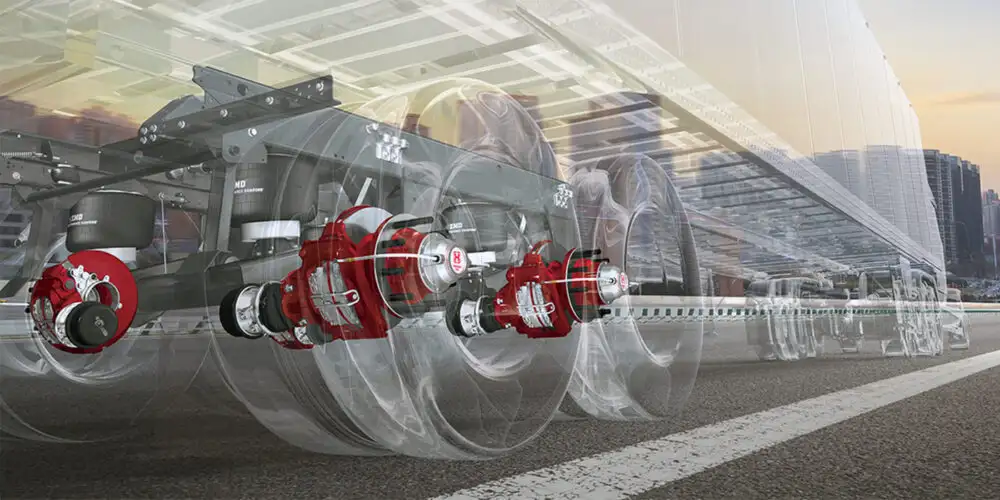
Commercial Fleet Tire Management, In the transportation and logistics industry, tires are one of the most critical assets in a commercial fleet. Effective commercial fleet tire management helps businesses reduce downtime, improve fuel efficiency, extend tire life, and enhance driver safety. Whether operating delivery vans, long-haul trucks, construction vehicles, or public transportation fleets, having a structured tire management system is essential for maintaining operational efficiency and controlling costs.
What Is Commercial Fleet Tire Management?
Commercial fleet tire management refers to the process of monitoring, maintaining, and optimizing the tires used across a fleet of vehicles. This includes tire inspections, pressure monitoring, rotation schedules, retreading, alignment checks, and replacement planning.
A proper tire management strategy allows fleet operators to maximize tire performance while minimizing unnecessary expenses and safety risks.
Why Tire Management Matters for Commercial Fleets
Tires directly impact nearly every aspect of fleet performance. Poorly maintained tires can lead to:
- Increased fuel consumption
- Unexpected breakdowns
- Higher maintenance costs
- Reduced vehicle handling
- Increased accident risks
- Premature tire wear
By implementing a professional commercial fleet tire management program, companies can improve reliability and ensure vehicles stay on the road longer.
Key Components of Commercial Fleet Tire Management
1. Regular Tire Inspections
Routine inspections help identify problems before they become serious. Fleet managers should check for:
- Uneven tread wear
- Sidewall damage
- Punctures or cuts
- Embedded objects
- Tread depth compliance
Daily pre-trip inspections performed by drivers are also an important part of preventative maintenance.
2. Tire Pressure Monitoring
Proper tire inflation is one of the most important factors in tire performance. Underinflated or overinflated tires can reduce fuel efficiency and increase wear.
Modern fleets often use Tire Pressure Monitoring Systems (TPMS) to provide real-time pressure readings and alerts. Maintaining correct PSI levels helps:
- Extend tire lifespan
- Improve fuel economy
- Enhance vehicle stability
- Reduce blowout risks
3. Tire Rotation and Alignment
Regular tire rotation ensures even wear across all tires in the fleet. Misaligned wheels can cause rapid tread wear and poor handling.
Fleet maintenance schedules should include:
- Wheel alignments
- Balancing services
- Tire rotations at manufacturer-recommended intervals
These practices help maximize tire mileage and reduce replacement frequency.
4. Tire Retreading Programs
Retreading is a cost-effective solution commonly used in commercial trucking fleets. Instead of replacing the entire tire casing, a new tread is applied to extend tire life.
Benefits of retreading include:
- Lower tire replacement costs
- Reduced environmental waste
- Improved return on tire investment
Many fleets use retreaded tires for trailer positions to reduce operating expenses.
5. Tire Tracking and Data Management
Advanced fleet tire management systems use software to track:
- Tire age
- Mileage
- Repair history
- Pressure records
- Wear patterns
Data-driven insights help fleet managers make better decisions regarding tire replacement and maintenance scheduling.
Benefits of Effective Commercial Fleet Tire Management
Reduced Operating Costs
Fuel and tire expenses are major operational costs for fleets. Proper tire maintenance improves rolling resistance and reduces unnecessary replacements.
Improved Safety
Well-maintained tires provide better traction, braking performance, and handling. This lowers the risk of accidents caused by tire failures.
Extended Tire Lifespan
Consistent maintenance significantly increases tire longevity, maximizing the value of each tire purchase.
Better Fuel Efficiency
Correct tire pressure and alignment reduce rolling resistance, helping vehicles consume less fuel.
Reduced Downtime
Preventative tire maintenance minimizes unexpected roadside breakdowns and keeps vehicles operational.
Common Challenges in Fleet Tire Management
Fleet operators often face several challenges, including:
- Managing large numbers of vehicles
- Monitoring tire conditions across multiple locations
- Driver neglect during inspections
- Inconsistent maintenance schedules
- Rising tire replacement costs
Using digital management tools and automated monitoring systems can help overcome these challenges efficiently.
Best Practices for Commercial Fleet Tire Management
To build an effective commercial fleet tire management strategy, companies should:
- Establish routine inspection schedules
- Train drivers on tire safety awareness
- Use TPMS technology
- Maintain accurate tire records
- Rotate and align tires regularly
- Partner with professional tire service providers
- Analyze tire performance data frequently
Consistency is key to achieving long-term savings and operational reliability.
The Future of Fleet Tire Management
Technology is transforming the future of commercial fleet operations. Smart tire systems now provide real-time analytics on:
- Tire temperature
- Air pressure
- Tread wear
- Vehicle load conditions
Artificial intelligence and predictive maintenance tools are helping fleet managers identify problems before failures occur, improving efficiency and safety across the industry.
Conclusion
A well-organized commercial fleet tire management program is essential for any business operating commercial vehicles. Proper tire maintenance not only reduces operating costs but also improves safety, fuel efficiency, and overall fleet performance.
By investing in proactive inspections, tire monitoring technology, and preventative maintenance practices, fleet operators can maximize tire lifespan and keep their vehicles running efficiently for the long term.