English
 Arabic

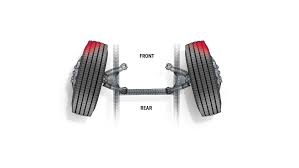
Truck Tire Alignment Guide, Truck tire alignment plays a critical role in vehicle safety, fuel efficiency, tire lifespan, and overall driving performance. Whether you operate a heavy-duty commercial truck, delivery van, or pickup truck, proper alignment ensures your tires wear evenly and your vehicle handles correctly on the road.
In this complete truck tire alignment guide, you’ll learn what tire alignment is, signs of poor alignment, alignment types, benefits, maintenance tips, and how often truck alignment should be checked.
What Is Truck Tire Alignment?
Truck tire alignment refers to adjusting the angles of the wheels so they match the manufacturer’s specifications. Proper alignment ensures all tires make optimal contact with the road surface.
Alignment mainly involves adjusting three important angles:
1. Camber
Camber is the inward or outward tilt of the tire when viewed from the front.
- Positive camber: Top of tire leans outward
- Negative camber: Top of tire leans inward
Incorrect camber causes uneven tire wear and poor handling.
2. Toe
Toe measures whether the tires point inward or outward when viewed from above.
- Toe-in: Tires point toward each other
- Toe-out: Tires point away from each other
Improper toe settings are one of the biggest causes of rapid tire wear.
3. Caster
Caster is the angle of the steering axis when viewed from the side of the truck.
Proper caster improves:
- Steering stability
- Cornering performance
- Straight-line tracking
Why Truck Tire Alignment Is Important
A proper truck tire alignment offers many benefits for commercial and personal vehicles.
Improved Tire Life
Misaligned wheels create uneven tire wear, reducing tire lifespan significantly. Proper alignment helps tires wear evenly, saving money on replacements.
Better Fuel Efficiency
When tires are not aligned properly, rolling resistance increases. This forces the engine to work harder and burn more fuel.
Proper alignment can improve fuel economy by several percent over time.
Safer Driving
Poor alignment can cause:
- Vehicle pulling
- Steering instability
- Reduced braking performance
- Poor traction
Properly aligned tires improve control and road safety.
Reduced Suspension Wear
Misalignment places extra stress on suspension components such as:
- Ball joints
- Tie rods
- Wheel bearings
- Shocks
Routine alignment reduces costly suspension repairs.
Common Signs Your Truck Needs Alignment
Recognizing alignment issues early helps prevent expensive damage.
Uneven Tire Wear
Look for:
- Excessive inner tread wear
- Outer edge wear
- Feathered tread patterns
Uneven wear is one of the clearest alignment warning signs.
Truck Pulls to One Side
If your truck drifts left or right while driving on a straight road, alignment may be incorrect.
Crooked Steering Wheel
A steering wheel that is off-center while driving straight usually indicates alignment issues.
Vibrations While Driving
Wheel alignment problems can contribute to steering vibrations and unstable handling.
Poor Fuel Mileage
Sudden drops in fuel economy may be linked to increased rolling resistance caused by bad alignment.
Types of Truck Wheel Alignment
Different trucks require different alignment procedures.
Front-End Alignment
This adjusts only the front axle and is common on solid rear axle vehicles.
Four-Wheel Alignment
Four-wheel alignment adjusts all wheels and is used for vehicles with adjustable rear suspensions.
Thrust Alignment
This method ensures all wheels are square with each other and centered properly.
Heavy-duty trucks often benefit from thrust alignment.
What Causes Truck Alignment Problems?
Several factors can throw your truck out of alignment.
Potholes and Rough Roads
Large potholes and uneven roads are among the most common causes.
Heavy Loads
Overloaded trucks place additional stress on suspension systems and wheel geometry.
Accidents or Collisions
Even minor impacts can shift alignment angles.
Worn Suspension Components
Damaged or worn parts can prevent proper alignment settings.
Curb Impacts
Hitting curbs frequently may bend steering or suspension components.
How Often Should Truck Tire Alignment Be Checked?
Experts recommend checking truck alignment:
- Every 10,000 to 15,000 miles
- During tire replacement
- After suspension repairs
- Following accidents or severe pothole impacts
- When uneven tire wear appears
Fleet operators may need more frequent inspections depending on road conditions and load weight.
Truck Tire Alignment Process
Professional alignment shops use computerized alignment machines to measure wheel angles accurately.
The process typically includes:
- Inspecting suspension and steering parts
- Measuring current wheel angles
- Adjusting camber, caster, and toe
- Centering the steering wheel
- Performing a road test
Modern laser alignment systems provide highly accurate adjustments.
DIY Truck Tire Alignment Tips
While professional alignment is recommended, drivers can still monitor basic alignment conditions.
Check Tire Pressure Regularly
Improper tire pressure can mimic alignment symptoms.
Inspect Tire Wear Patterns
Check tires monthly for unusual tread wear.
Monitor Steering Behavior
Pay attention to pulling, drifting, or steering wheel vibration.
Rotate Tires
Regular tire rotation promotes even tread wear and extends tire life.
Best Practices for Maintaining Proper Truck Alignment
Follow these maintenance habits to keep alignment in good condition.
Avoid Overloading
Stay within manufacturer weight limits.
Drive Carefully on Rough Roads
Reduce speed when driving over potholes and uneven surfaces.
Perform Suspension Inspections
Routine inspections help detect worn components early.
Schedule Regular Alignment Checks
Preventive maintenance saves money over time.
Cost of Truck Tire Alignment
Truck tire alignment costs vary depending on vehicle size and alignment type.
Average price ranges:
- Light-duty trucks: $80–$150
- Heavy-duty commercial trucks: $150–$400
- Fleet alignments: Pricing varies by service provider
While alignment services have upfront costs, they help reduce long-term expenses related to tires, fuel, and suspension repairs.
Final Thoughts
A proper truck tire alignment is essential for safety, fuel efficiency, tire longevity, and vehicle performance. Ignoring alignment problems can lead to uneven tire wear, poor handling, increased fuel costs, and expensive repairs.
By understanding the warning signs and maintaining regular alignment inspections, truck owners and fleet managers can protect their investment and keep vehicles operating efficiently.