English
 Arabic

Best Commercial Tires For Fleets, Choosing the best commercial tires for fleets is one of the most important decisions for fleet managers looking to reduce operating costs, improve safety, and maximize uptime. Tires directly impact fuel efficiency, tread life, vehicle handling, and maintenance expenses. Whether you manage long-haul trucks, regional delivery vehicles, construction fleets, or mixed-use commercial vehicles, investing in the right tire strategy can significantly improve your fleet’s overall performance.
Modern commercial fleet tires are engineered to balance durability, fuel economy, traction, and retreadability. Fleet operators today are no longer focused only on upfront tire prices. Instead, they evaluate total cost of ownership, cost per mile, and long-term reliability.
Why Commercial Tires Matter for Fleet Operations
Commercial fleets operate under demanding conditions every day. Heavy loads, long mileage routes, changing weather, and road hazards place enormous stress on tires. Poor tire selection can lead to:
- Increased fuel consumption
- Premature tread wear
- More roadside breakdowns
- Reduced driver safety
- Higher maintenance costs
- Increased downtime
Fleet operators now prioritize low rolling resistance tires because they improve fuel economy while still maintaining durability. According to industry reports, premium fleet tires often deliver better casing quality, improved retreadability, and lower overall operational costs. (TTNews)
Key Features to Look for in Fleet Tires
Before selecting tires for a commercial fleet, managers should evaluate several important factors.
Fuel Efficiency
Fuel costs are one of the largest expenses for any transportation business. Low rolling resistance tires reduce the energy required for the tire to move, helping trucks consume less fuel. Continental’s SmartWay verified tire lineup highlights how advanced tire engineering can improve fuel efficiency while lowering emissions. (Continental Tires)
Durability and Tread Life
Long tread life reduces replacement frequency and downtime. Premium commercial tires typically use advanced rubber compounds and reinforced casings to improve longevity.
Retreadability
Retreadable casings allow fleets to reuse tire structures multiple times, reducing overall tire expenses. Industry experts note that retreading remains one of the biggest cost-saving strategies in trucking operations. (TTNews)
Traction and Safety
Commercial tires must provide strong traction in wet, dry, and winter conditions. Fleets operating in urban environments or severe weather conditions should prioritize tires with advanced tread designs and water evacuation channels.
Load Capacity
Commercial fleet tires must support heavy cargo without excessive heat buildup or structural fatigue. Proper load-rated tires help maintain safety and performance under demanding conditions.
Top Commercial Tire Brands for Fleets
Several manufacturers dominate the commercial fleet tire market because of their consistent performance, reliability, and support networks.
Michelin
Michelin is widely recognized for producing premium commercial truck tires with excellent fuel efficiency and long casing life. Many fleet operators choose Michelin for long-haul operations because the brand delivers outstanding mileage and retread performance. Industry reviews consistently rank Michelin among the best for lowering cost per mile. (The Tire Reviews)
Bridgestone
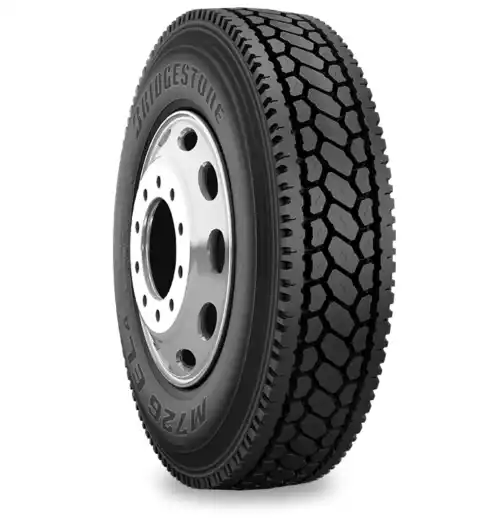
Bridgestone’s Ecopia lineup is highly popular among fleets focused on fuel savings and durability. The company invests heavily in sustainable tire technology and advanced tread compounds.
Goodyear
Goodyear commercial tires are known for versatility, reliability, and nationwide support services. The Fuel Max series is especially popular among long-haul fleets seeking improved fuel economy. (The Tire Specialist)
Continental
Continental focuses heavily on fuel-efficient commercial tires and smart fleet technologies. Their SmartWay verified products are designed specifically to help fleets reduce fuel usage and emissions. (Continental Tires)
Yokohama
Yokohama provides strong value in the mid-tier commercial tire market. Many fleets appreciate Yokohama for balancing performance, durability, and affordability.
Sailun
Sailun has gained popularity by offering cost-effective commercial tires with modern fuel-saving technology. Their newer long-haul tire series focuses on tread life, fuel economy, and retreadability. (gosailun.com)
Best Tire Types for Different Fleet Applications
Long-Haul Fleets
Long-haul fleets benefit most from low rolling resistance tires designed for highway efficiency and long tread life. Tires such as the Continental EcoPlus and Goodyear Fuel Max series are commonly recommended for these operations. (Continental Tires)
Regional Delivery Fleets
Regional fleets require tires that balance durability with stop-and-go traction. Strong sidewalls and resistance to irregular wear are especially important.
Construction and Vocational Fleets
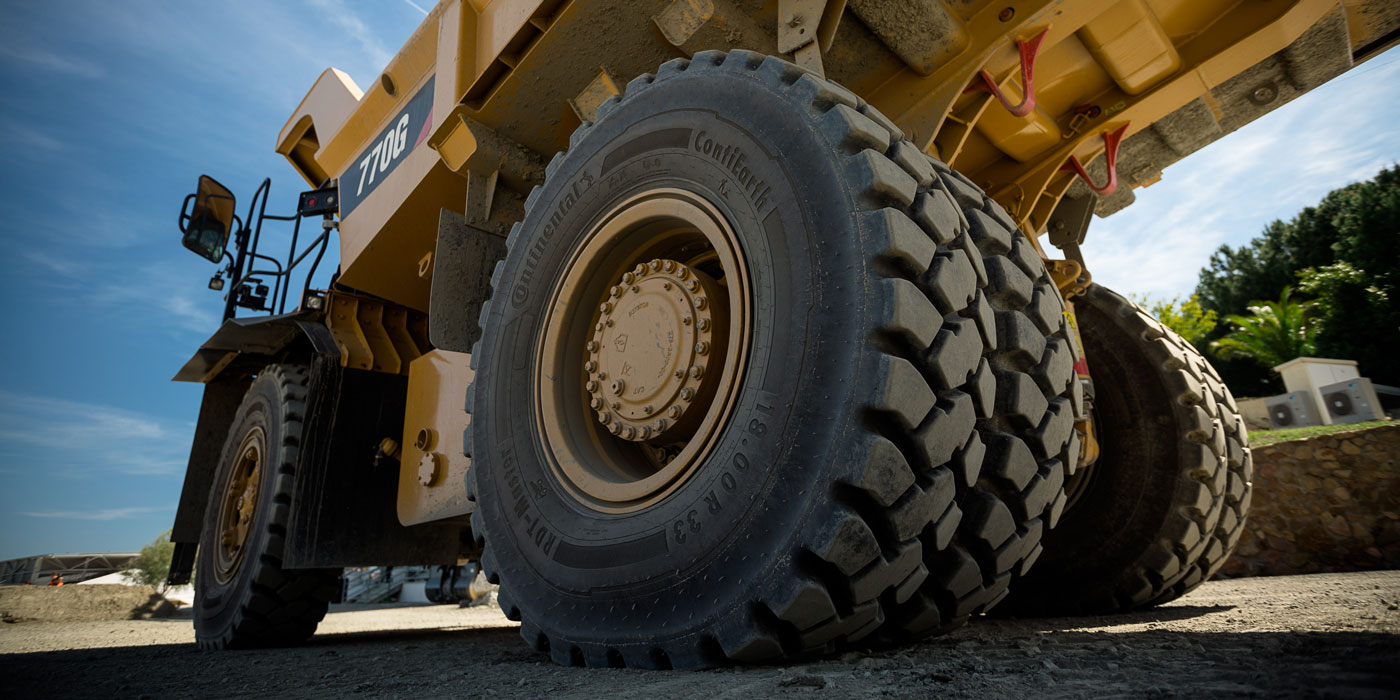
Construction fleets need aggressive tread patterns, cut-resistant compounds, and reinforced casings capable of handling rough terrain and heavy loads.
Mixed Fleet Operations
Mixed-use fleets often prefer all-position tires that provide a balance between highway comfort, traction, and durability.
The Importance of Tire Maintenance
Even the best commercial tires for fleets will underperform without proper maintenance. Fleet managers should implement regular inspections and maintenance routines that include:
- Tire pressure monitoring
- Wheel alignment checks
- Tire rotation schedules
- Tread depth inspections
- Balancing services
Industry discussions on Reddit and fleet forums consistently emphasize that proper inflation and alignment dramatically improve tire lifespan and fuel efficiency. (Reddit)
Cost Per Mile vs Upfront Price
Many fleet operators make the mistake of buying the cheapest available tires. However, commercial tire experts consistently recommend focusing on total operating cost instead of purchase price alone.
Premium tires often:
- Last longer
- Improve fuel efficiency
- Support multiple retreads
- Reduce downtime
- Lower maintenance expenses
As several fleet tire experts explain, the lowest upfront cost rarely results in the lowest long-term operating cost. (Hanksugi Tire USA)
Final Thoughts
Selecting the best commercial tires for fleets requires balancing fuel economy, durability, traction, retreadability, and overall operating costs. Premium brands like Michelin, Bridgestone, Goodyear, and Continental continue to lead the market because they provide dependable performance and lower long-term costs.
Fleet managers who focus on tire quality, preventive maintenance, and fuel-efficient technologies can significantly improve profitability while keeping vehicles safer and more reliable on the road. As commercial transportation continues evolving, smart tire selection remains one of the most effective ways to optimize fleet performance and reduce operational expenses.