English
 Arabic

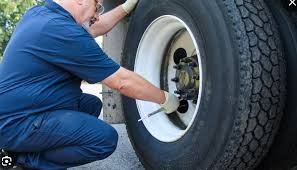
Truck Tire Replacement Guide, Truck tires are one of the most important components of any commercial vehicle. Whether you operate long-haul transport trucks, construction vehicles, or delivery fleets, proper tire maintenance and timely replacement directly affect safety, fuel efficiency, load performance, and operating costs. This comprehensive truck tire replacement guide explains when to replace truck tires, how to choose the right replacement tires, warning signs of wear, replacement costs, and maintenance tips to extend tire life.
Why Truck Tire Replacement Matters
Truck tires endure constant stress from heavy loads, rough road conditions, long driving hours, and changing weather. Worn or damaged tires increase the risk of blowouts, poor handling, reduced braking performance, and fuel inefficiency.
Replacing truck tires at the right time helps:
- Improve road safety
- Increase fuel economy
- Enhance vehicle performance
- Reduce downtime
- Prevent expensive roadside breakdowns
- Extend the lifespan of suspension and axle components
A proper tire replacement strategy also supports better fleet management and regulatory compliance.
Signs You Need New Truck Tires
Understanding tire wear indicators is essential in any truck tire replacement guide. Here are the most common warning signs that indicate it’s time for replacement.
1. Low Tread Depth
Tread depth is critical for traction and braking performance. Commercial truck tires generally need replacement when tread depth falls below legal or recommended limits.
Typical minimum tread depths:
- Steer tires: 4/32 inch
- Drive tires: 2/32 inch
- Trailer tires: 2/32 inch
Using tires below these limits increases the risk of hydroplaning and reduced grip.
2. Uneven Tire Wear
Uneven wear patterns may indicate:
- Improper wheel alignment
- Suspension problems
- Incorrect tire pressure
- Unbalanced tires
Common wear patterns include:
- Shoulder wear
- Center wear
- Feathering
- Cupping
If uneven wear becomes severe, replacement is usually necessary.
3. Cracks and Sidewall Damage
Visible cracks, cuts, or bulges on the tire sidewall can weaken the tire structure. Sidewall damage often results from:
- Overloading
- Impact damage
- Age-related deterioration
- Poor storage conditions
Damaged sidewalls cannot usually be repaired safely.
4. Frequent Air Pressure Loss
A tire that constantly loses air may have:
- Internal structural damage
- Punctures
- Valve stem issues
- Bead leaks
Repeated pressure loss is a strong sign that replacement is needed.
5. Tire Age
Even if tread remains adequate, aging truck tires eventually become unsafe. Most manufacturers recommend replacing commercial tires every 6–10 years depending on usage and storage conditions.
How to Choose the Right Replacement Truck Tires
A successful truck tire replacement guide must include proper tire selection. Choosing the wrong tire can negatively affect fuel economy, handling, and durability.
Understand Tire Types
Different truck applications require different tire designs.
Steer Tires
- Designed for front axles
- Prioritize handling and stability
- Feature ribbed tread patterns
Drive Tires
- Installed on powered axles
- Deliver traction and torque
- Often have deeper tread patterns
Trailer Tires
- Used on trailer axles
- Focus on durability and rolling resistance
Match Tire Size Correctly
Always match the replacement tire size to manufacturer specifications. Common truck tire sizes include:
- 11R22.5
- 295/75R22.5
- 275/80R22.5
- 385/65R22.5
Incorrect sizing can affect:
- Load capacity
- Speedometer accuracy
- Fuel consumption
- Suspension performance
Consider Load Capacity
Truck tires must support the vehicle’s maximum load requirements. Overloading tires causes excessive heat buildup and premature failure.
Check:
- Load index
- Ply rating
- Maximum inflation pressure
Evaluate Road Conditions
Choose tread patterns based on operating conditions.
Highway Tires
Best for:
- Long-distance transport
- Smooth pavement
- Fuel efficiency
Regional Tires
Ideal for:
- Mixed driving environments
- Frequent stops
- Urban routes
Off-Road Tires
Suitable for:
- Construction
- Mining
- Muddy terrain
- Rough surfaces
Retread vs New Truck Tires
One important topic in any truck tire replacement guide is the difference between retread and new tires.
Benefits of Retread Tires
- Lower cost
- Reduced environmental impact
- Good for trailer and drive positions
Advantages of New Tires
- Maximum durability
- Better fuel efficiency
- Improved performance
- Ideal for steer axles
Many fleets use a combination of new and retread tires to balance safety and operating costs.
Steps for Replacing Truck Tires
Replacing truck tires correctly improves safety and performance.
Step 1: Inspect All Tires
Check:
- Tread wear
- Sidewall condition
- Air pressure
- Damage
Step 2: Select Compatible Tires
Ensure:
- Correct size
- Proper load rating
- Suitable tread design
Step 3: Replace in Pairs or Sets
For balanced handling:
- Replace steer tires in pairs
- Match tread patterns on the same axle
Step 4: Balance and Align Wheels
Wheel balancing and alignment help:
- Prevent uneven wear
- Improve steering
- Increase tire lifespan
Step 5: Monitor Tire Pressure
Proper inflation is essential after installation.
Underinflated tires cause:
- Heat buildup
- Poor fuel economy
- Faster wear
Overinflated tires may reduce traction and ride comfort.
Truck Tire Maintenance Tips
Proper maintenance extends tire life and reduces replacement frequency.
Perform Regular Inspections
Inspect tires weekly for:
- Embedded objects
- Cuts
- Cracks
- Uneven wear
Maintain Correct Tire Pressure
Use calibrated gauges and follow manufacturer pressure recommendations.
Rotate Tires
Regular tire rotation helps distribute wear evenly.
Avoid Overloading
Excessive weight shortens tire life dramatically.
Monitor Alignment
Misalignment increases rolling resistance and uneven wear.
Average Truck Tire Replacement Costs
Truck tire replacement costs vary depending on:
- Tire size
- Brand
- Application
- Tire type
Typical price ranges:
- Standard commercial truck tire: $300–$800 each
- Premium long-haul tire: $500–$1,200 each
- Off-road heavy-duty tire: significantly higher
Additional costs may include:
- Mounting
- Balancing
- Disposal fees
- Alignment services
While cheaper tires may reduce upfront costs, premium tires often provide better mileage and fuel savings.
Common Mistakes to Avoid
This truck tire replacement guide would not be complete without discussing common mistakes.
Ignoring Early Wear Signs
Delaying replacement increases safety risks.
Mixing Tire Types
Using mismatched tread patterns can reduce stability and traction.
Using Incorrect Inflation Pressure
Improper pressure is one of the leading causes of tire failure.
Choosing Tires Only by Price
Low-cost tires may wear out faster and increase long-term expenses.
Neglecting Tire Rotation
Skipping rotation accelerates uneven wear.
Environmental Benefits of Proper Tire Replacement
Responsible tire replacement also benefits the environment.
Proper tire management helps:
- Reduce fuel consumption
- Lower carbon emissions
- Support tire recycling programs
- Minimize landfill waste
Retreading programs further reduce waste and conserve raw materials.
Final Thoughts
A reliable truck tire replacement guide helps drivers and fleet operators make informed decisions about tire safety, performance, and maintenance. Replacing truck tires at the right time reduces operating costs, improves fuel efficiency, and keeps commercial vehicles safe on the road.
By monitoring tread wear, maintaining proper inflation, selecting the correct tire type, and following routine maintenance schedules, truck owners can maximize tire lifespan and improve overall fleet productivity.