English
 Arabic

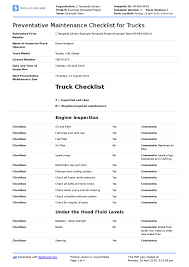
Heavy Truck Tire Maintenance Checklist, Heavy-duty trucks operate under extreme conditions every day, carrying massive loads across highways, construction sites, mining areas, and industrial routes. Because tires are one of the most critical components of any commercial vehicle, following a proper heavy truck tire maintenance checklist is essential for safety, fuel efficiency, reduced downtime, and longer tire life.
Neglecting tire maintenance can lead to blowouts, uneven wear, poor traction, increased fuel costs, and expensive roadside repairs. This guide covers everything fleet managers, truck owners, and drivers need to know about maintaining heavy truck tires properly.
Why Heavy Truck Tire Maintenance Matters
Truck tires endure continuous stress from heavy payloads, long-distance travel, braking, heat, and rough terrain. Proper maintenance provides several important benefits:
- Improves road safety
- Reduces risk of tire failure
- Extends tire lifespan
- Increases fuel efficiency
- Improves handling and braking
- Minimizes downtime and repair costs
- Ensures DOT compliance
A reliable heavy truck tire maintenance checklist helps drivers detect problems early before they become serious issues.
Daily Heavy Truck Tire Maintenance Checklist
Daily inspections are the foundation of preventive maintenance. Drivers should inspect tires before every trip.
1. Check Tire Pressure
Proper inflation is crucial for heavy truck performance.
Underinflated tires can cause:
- Excessive heat buildup
- Poor fuel economy
- Sidewall damage
- Premature wear
Overinflated tires may lead to:
- Reduced traction
- Uneven center tread wear
- Increased risk of impact damage
Use a calibrated tire pressure gauge and follow manufacturer PSI recommendations.
2. Inspect Tread Depth
Adequate tread depth ensures proper traction and braking performance.
Look for:
- Uneven tread wear
- Bald spots
- Feathering
- Cupping
- Flat spots
Replace tires that no longer meet legal tread depth requirements.
3. Look for Visible Damage
Inspect each tire carefully for:
- Cuts
- Cracks
- Bulges
- Punctures
- Embedded debris
- Sidewall damage
Even minor damage can become dangerous under heavy loads.
4. Examine Valve Stems and Caps
Damaged valve stems may cause slow air leaks.
Ensure:
- Valve caps are installed
- No cracking exists
- No air leakage is present
5. Remove Rocks and Debris
Stones and debris trapped in tread grooves can damage the casing over time. Clean tires regularly to prevent long-term problems.
Weekly Heavy Truck Tire Maintenance Checklist
Weekly inspections go beyond quick daily checks.
1. Measure Tire Alignment
Improper alignment causes:
- Rapid tire wear
- Steering problems
- Reduced fuel economy
Signs of alignment issues include:
- Truck pulling to one side
- Uneven tread wear
- Crooked steering wheel
2. Check Wheel Balance
Unbalanced wheels create vibrations that shorten tire life and strain suspension components.
Common symptoms:
- Steering vibration
- Uneven wear
- Driver discomfort
3. Inspect Tire Rotation Needs
Rotating tires promotes even wear and maximizes lifespan.
Heavy truck tire rotation intervals vary depending on:
- Vehicle type
- Load conditions
- Road environment
Consult manufacturer guidelines for proper schedules.
4. Inspect Dual Tires
For trucks with dual tire setups:
- Ensure spacing is correct
- Check for rubbing
- Match tire sizes properly
- Maintain equal pressure
Mismatched dual tires create uneven load distribution.
Monthly Heavy Truck Tire Maintenance Checklist
Monthly inspections should be more detailed and often involve maintenance technicians.
1. Review Tire Wear Patterns
Wear patterns reveal mechanical problems.
Common wear indicators include:
| Wear Pattern | Possible Cause |
|---|---|
| Center wear | Overinflation |
| Edge wear | Underinflation |
| One-sided wear | Misalignment |
| Cupping | Suspension issues |
| Feathering | Incorrect toe alignment |
Monitoring these signs helps prevent expensive repairs.
2. Inspect Suspension Components
Worn suspension parts directly affect tire wear.
Check:
- Shock absorbers
- Bushings
- Springs
- Wheel bearings
- Axle components
3. Perform Tire Retorque
Wheel nuts can loosen over time due to vibration and heavy use. Proper retorque procedures improve wheel safety.
4. Inspect for Heat Damage
Excessive heat can weaken tire structure.
Look for:
- Discoloration
- Sidewall bubbling
- Rubber hardening
- Separation signs
Seasonal Tire Maintenance Tips
Weather significantly affects tire performance.
Summer Maintenance
Hot temperatures increase tire pressure and heat buildup.
Important steps:
- Monitor PSI more frequently
- Avoid overloading
- Check for heat-related wear
Winter Maintenance
Cold weather lowers tire pressure and reduces traction.
Winter checklist:
- Use winter-rated tires if necessary
- Inspect tread carefully
- Maintain proper inflation
- Monitor icy road conditions
Proper Tire Storage Practices
If storing spare or seasonal heavy truck tires:
- Keep them in cool, dry areas
- Avoid direct sunlight
- Store away from chemicals and oils
- Position vertically when possible
- Maintain moderate humidity
Correct storage extends tire usability.
Common Causes of Heavy Truck Tire Failure
Understanding failure causes improves preventive maintenance.
Overloading
Exceeding load limits stresses tire structure and increases blowout risk.
Improper Inflation
Incorrect air pressure remains one of the leading causes of tire failure.
Poor Road Conditions
Potholes, curbs, and debris damage tire casings and sidewalls.
Lack of Regular Inspections
Small issues become major problems without routine monitoring.
Mechanical Problems
Faulty suspension or alignment systems accelerate wear.
Best Tools for a Heavy Truck Tire Maintenance Checklist
Professional maintenance requires reliable tools.
Recommended equipment includes:
- Digital tire pressure gauge
- Tread depth gauge
- Torque wrench
- Tire inspection flashlight
- Air inflation system
- Wheel alignment equipment
Investing in quality tools improves inspection accuracy.
Benefits of Preventive Tire Maintenance
Implementing a consistent heavy truck tire maintenance checklist delivers long-term operational advantages.
Reduced Fuel Costs
Properly inflated tires reduce rolling resistance and improve mileage.
Longer Tire Lifespan
Routine inspections help maximize tread life and casing durability.
Increased Driver Safety
Well-maintained tires improve steering, braking, and road grip.
Lower Fleet Downtime
Preventive care reduces roadside breakdowns and emergency repairs.
Improved Fleet Efficiency
Reliable tires support smoother logistics and delivery schedules.
Signs It’s Time to Replace Heavy Truck Tires
Replace truck tires immediately if you notice:
- Exposed cords
- Deep sidewall cracks
- Severe tread separation
- Persistent air loss
- Excessive vibration
- Irregular wear beyond repair
- Bulges or blistering
Ignoring these warning signs can lead to catastrophic tire failure.
Final Thoughts
A structured heavy truck tire maintenance checklist is essential for commercial trucking operations. Regular inspections, proper inflation, alignment monitoring, and preventive maintenance significantly improve safety, performance, and cost efficiency.
Whether managing a large fleet or operating a single truck, tire maintenance should never be overlooked. Consistent care not only protects drivers and cargo but also extends tire life and reduces overall operating expenses.
By following a detailed maintenance routine, trucking businesses can improve reliability, avoid costly breakdowns, and keep vehicles performing at their best year-round.