English
 Arabic

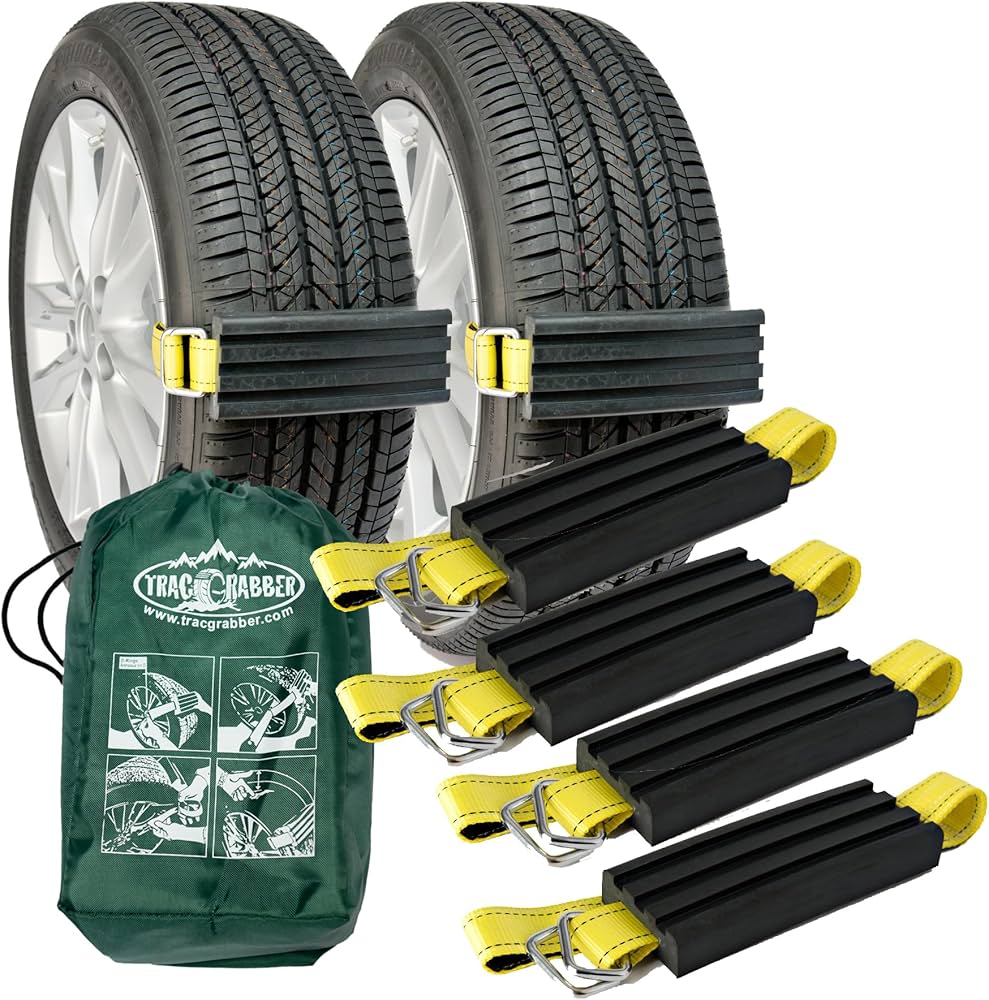
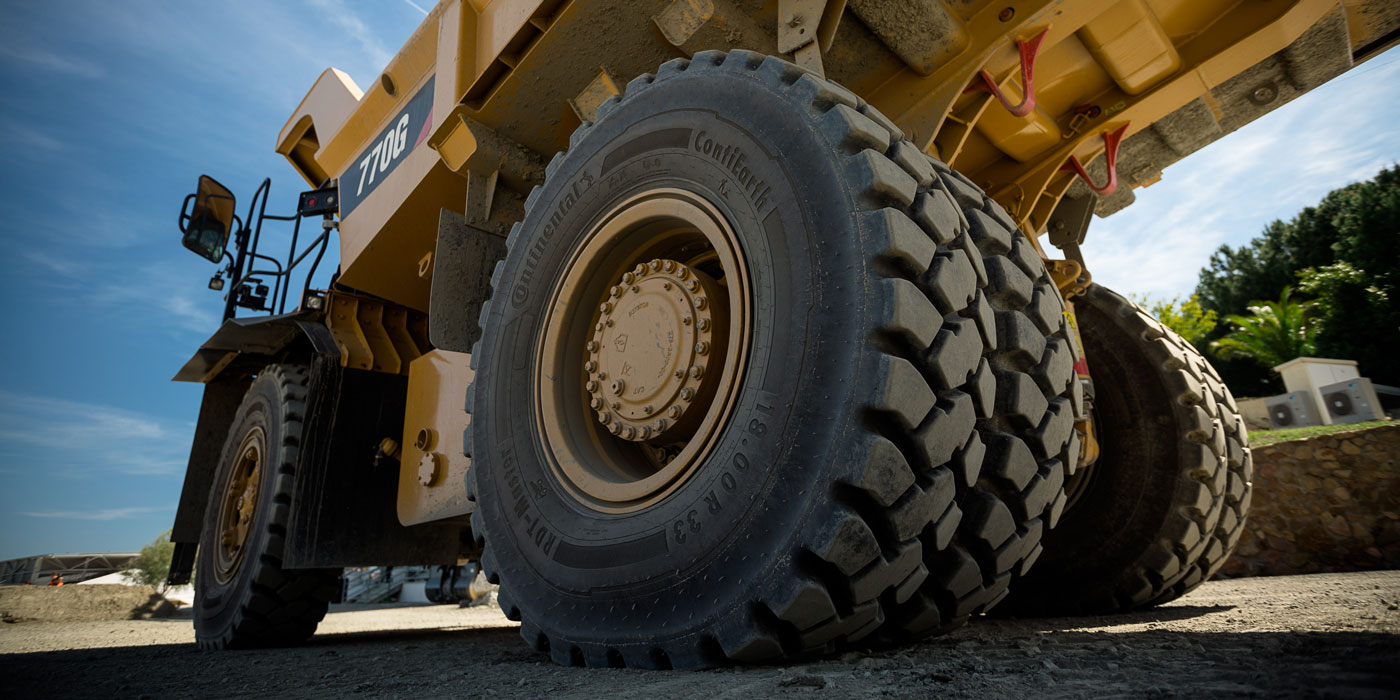
Truck Tire Traction Guide, Truck tire traction plays a major role in vehicle safety, fuel efficiency, and overall driving performance. Whether you operate heavy-duty commercial trucks, pickup trucks, or off-road vehicles, understanding how traction works can help you choose the right tires and maintain better road control in all conditions.
This truck tire traction guide explains the key factors that affect tire grip, different traction ratings, tire types, and practical tips to maximize performance on highways, muddy roads, snow, and rough terrain.
What Is Truck Tire Traction?
Truck tire traction refers to the tire’s ability to grip the road surface. Good traction allows the truck to accelerate, brake, and corner safely without slipping. Poor traction increases stopping distance and the risk of skidding, especially in wet or icy conditions.
Traction depends on several factors, including:
- Tire tread design
- Rubber compound
- Tire pressure
- Road conditions
- Vehicle load
- Weather conditions
Why Tire Traction Matters for Trucks
Truck tires carry heavy loads and often travel long distances under varying road conditions. Proper traction helps with:
- Safer braking performance
- Better handling and steering
- Reduced hydroplaning risk
- Improved off-road capability
- Enhanced stability when towing
- Lower tire wear
For commercial trucking operations, good traction can also reduce downtime and improve operational efficiency.
Understanding Truck Tire Tread Patterns
The tread pattern is one of the most important elements affecting traction.
Highway Tread Tires
Highway tires are designed for smooth paved roads. They provide:
- Low rolling resistance
- Quiet ride
- Good fuel economy
- Stable highway performance
These tires are ideal for long-haul trucking and daily commuting.
All-Terrain Tires
All-terrain tires balance on-road comfort with off-road capability. They feature:
- Deeper tread blocks
- Enhanced grip on gravel and dirt
- Moderate mud traction
- Better versatility
Pickup truck owners commonly choose all-terrain tires for mixed driving conditions.
Mud-Terrain Tires
Mud-terrain tires are built for extreme off-road conditions. Their aggressive tread patterns provide:
- Maximum mud evacuation
- Strong grip on loose surfaces
- Excellent rock crawling performance
However, they can create more road noise and lower fuel efficiency on highways.
Truck Tire Traction Ratings Explained
Most truck tires include traction ratings that help buyers compare performance.
UTQG Traction Ratings
The Uniform Tire Quality Grading system uses these traction grades:
- AA – Excellent wet traction
- A – Very good traction
- B – Average traction
- C – Minimum acceptable traction
Higher ratings generally indicate better stopping performance on wet roads.
Three-Peak Mountain Snowflake Symbol
The Three-Peak Mountain Snowflake (3PMSF) symbol identifies tires certified for severe winter conditions. These tires offer improved snow traction compared to standard all-season tires.
M+S Rating
Mud and Snow (M+S) tires are designed for light winter conditions and muddy roads. While useful, they do not always perform as well as dedicated winter tires.
Factors That Affect Truck Tire Grip
Tire Pressure
Incorrect tire pressure reduces traction and accelerates tire wear.
- Underinflated tires can overheat and reduce handling precision
- Overinflated tires decrease road contact area
Always follow manufacturer-recommended PSI levels.
Tire Wear
Worn tires lose tread depth, reducing their ability to channel water and maintain grip.
Replace tires when tread depth becomes too low, especially for wet or snowy driving conditions.
Weather Conditions
Rain, snow, ice, and extreme heat all influence tire performance. Drivers should adapt speed and driving style based on weather conditions.
Vehicle Weight
Overloaded trucks reduce tire efficiency and may lead to uneven traction. Proper load distribution is essential for stability and safety.
Best Truck Tires for Different Conditions
Best for Highway Driving
Choose tires with:
- Smooth tread patterns
- High mileage ratings
- Fuel-efficient design
- Excellent wet traction
Best for Snow and Ice
Look for:
- Winter-certified tires
- Deep siping
- Flexible cold-weather compounds
Best for Off-Road Use
Select tires featuring:
- Aggressive tread blocks
- Reinforced sidewalls
- Mud-cleaning channels
Tips to Improve Truck Tire Traction
Rotate Tires Regularly
Regular tire rotation promotes even wear and consistent traction performance.
Check Alignment
Poor alignment causes uneven tread wear and reduced road grip.
Monitor Tread Depth
Use a tread depth gauge to ensure your tires maintain safe traction levels.
Avoid Sudden Braking
Smooth acceleration and braking help preserve tire grip and reduce wear.
Use Seasonal Tires
Switching between summer and winter tires can significantly improve safety and performance.
Signs of Poor Truck Tire Traction
Watch for these warning signs:
- Frequent wheel spin
- Sliding during braking
- Reduced steering response
- Hydroplaning on wet roads
- Uneven tire wear
Addressing these issues early can prevent accidents and costly repairs.
Choosing the Right Truck Tires
When selecting truck tires, consider:
- Driving environment
- Load requirements
- Weather conditions
- Towing needs
- Fuel economy goals
Reading tire specifications and traction ratings helps ensure you choose the right tire for your truck.
Final Thoughts
Understanding truck tire traction is essential for maintaining safety, performance, and tire longevity. The right tire choice combined with proper maintenance can improve handling, braking, and fuel efficiency in all driving conditions.
Whether you need highway stability, winter grip, or off-road durability, this truck tire traction guide can help you make informed decisions and keep your truck performing at its best.