English
 Arabic

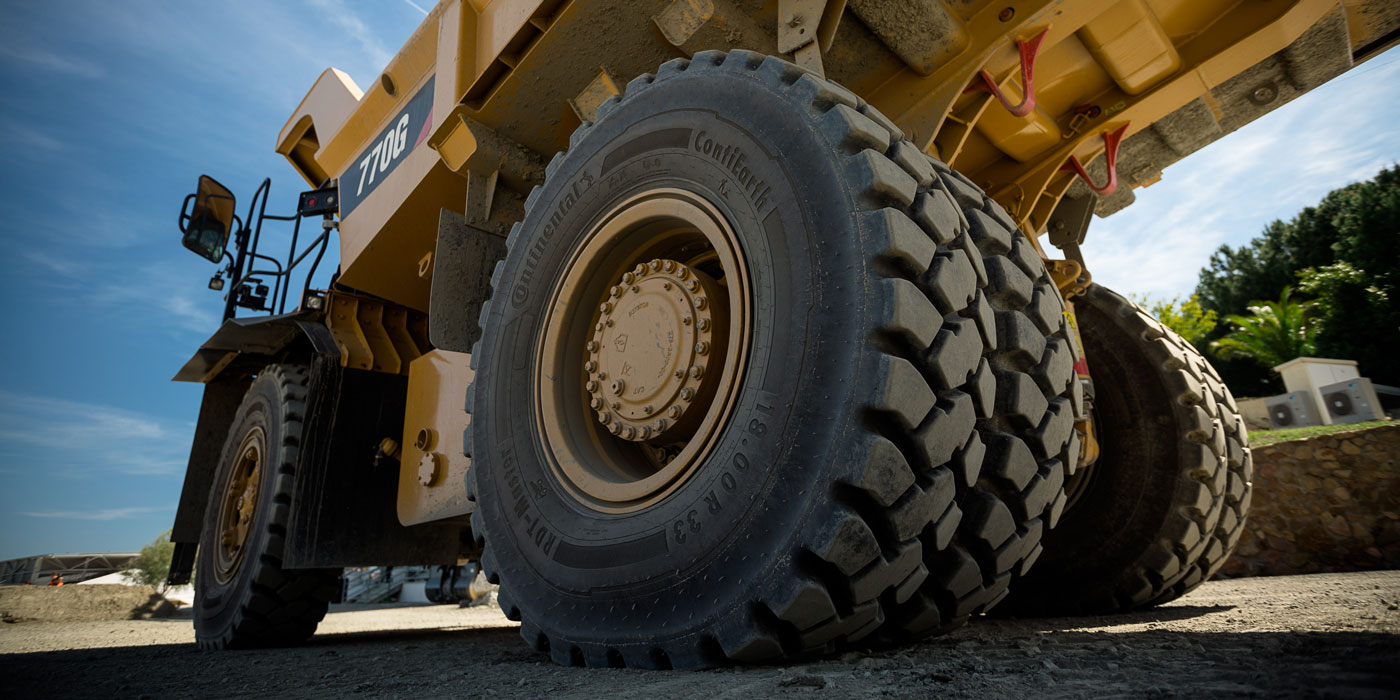
Loader Tire Pressure Guide, Loader tires play a critical role in the performance, safety, and efficiency of heavy equipment. Whether you operate a wheel loader in construction, mining, agriculture, or industrial environments, maintaining the correct tire pressure is essential for maximizing tire life and machine productivity. This loader tire pressure guide explains why tire pressure matters, how to check it properly, and the recommended practices for different working conditions.
Why Loader Tire Pressure Matters
Correct tire pressure directly affects:
- Tire lifespan
- Fuel efficiency
- Load capacity
- Machine stability
- Operator safety
- Traction and performance
Underinflated or overinflated loader tires can lead to uneven wear, reduced handling, and costly downtime. Proper inflation helps distribute the machine’s weight evenly across the tire surface.
Recommended Loader Tire Pressure Range
The ideal tire pressure depends on several factors, including:
- Tire size
- Loader weight
- Load capacity
- Terrain conditions
- Speed of operation
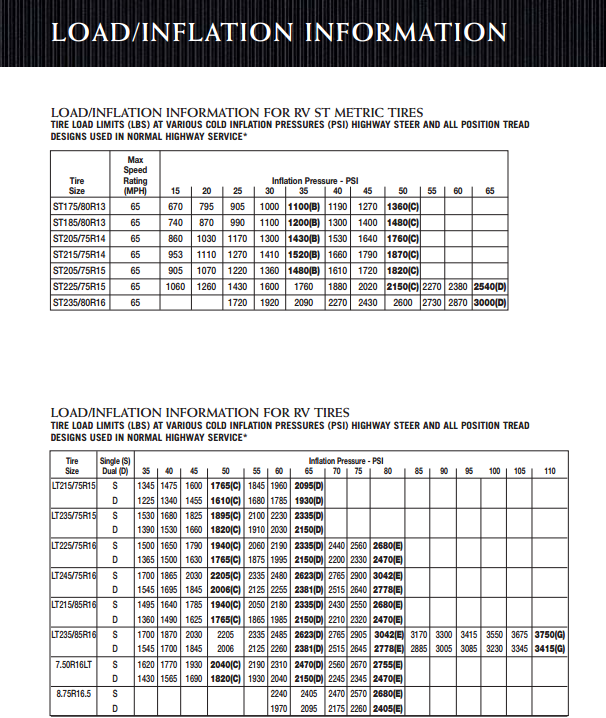
Common loader tire pressure ranges are:
| Loader Type | Typical PSI Range |
|---|---|
| Small Wheel Loaders | 35–50 PSI |
| Medium Wheel Loaders | 50–75 PSI |
| Large Mining Loaders | 90–120 PSI |
Always follow the manufacturer’s specifications for your exact tire model and machine setup.
How to Check Loader Tire Pressure
Checking tire pressure regularly is one of the easiest ways to prevent premature tire damage.
Step-by-Step Process
- Park the loader on level ground.
- Allow tires to cool before checking pressure.
- Use a heavy-duty calibrated tire pressure gauge.
- Remove the valve cap carefully.
- Compare the reading with the recommended PSI.
- Inflate or deflate as necessary.
- Reinstall the valve cap securely.
Daily inspections are recommended for loaders operating in demanding environments.
Signs of Incorrect Loader Tire Pressure
Underinflated Loader Tires
Symptoms include:
- Excessive sidewall flexing
- Increased heat buildup
- Faster shoulder wear
- Reduced fuel economy
- Poor steering response
Overinflated Loader Tires
Common issues include:
- Center tread wear
- Reduced traction
- Harsh ride quality
- Increased risk of impact damage
- Lower stability on rough terrain
Loader Tire Pressure for Different Conditions
Construction Sites
Construction environments often involve rough surfaces and heavy loads. Slightly higher tire pressure may help support load stability while preventing sidewall damage.
Mining Operations
Mining loaders usually require higher tire pressures because of extreme load demands and harsh terrain conditions.
Agricultural Applications
Agricultural loaders may benefit from lower pressures to improve flotation and reduce soil compaction.
Seasonal Tire Pressure Adjustments
Temperature changes can significantly affect loader tire pressure.
- Cold weather reduces PSI levels.
- Hot weather increases internal tire pressure.
A general rule is that tire pressure changes by approximately 1 PSI for every 10°F temperature variation. Regular seasonal adjustments help maintain optimal performance.
Common Loader Tire Pressure Mistakes
Avoid these common errors:
- Ignoring daily inspections
- Using passenger vehicle gauges
- Inflating tires while hot
- Overloading the machine
- Mixing different tire pressure levels on the same axle
Consistent maintenance reduces operating costs and improves equipment reliability.
Best Practices for Loader Tire Maintenance
To maximize tire life:
- Perform regular visual inspections
- Rotate tires when appropriate
- Monitor tread wear patterns
- Maintain proper alignment
- Use nitrogen inflation if recommended
- Keep detailed maintenance records
Proper tire management can significantly reduce downtime and replacement expenses.
Choosing the Right Loader Tires
Different applications require specialized tires. Consider:
- Tread pattern
- Ply rating
- Heat resistance
- Cut resistance
- Terrain compatibility
Selecting the correct tire combined with proper pressure maintenance ensures better machine performance and longer service life.
Final Thoughts
Following a proper loader tire pressure guide is essential for maintaining safety, productivity, and tire longevity. Regular pressure checks, correct inflation practices, and understanding working conditions can help operators avoid costly tire failures and improve loader efficiency. Whether you manage a single wheel loader or an entire fleet, proper tire pressure maintenance should always be a top priority.