English
 Arabic

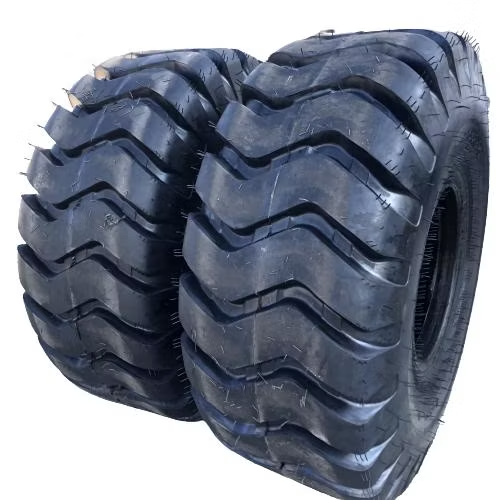
Off Road Loader Tire Guide, Off-road loaders work in some of the toughest environments on earth. From rocky mining sites and muddy construction zones to sand pits and forestry operations, every surface puts enormous pressure on your machine’s tires. Choosing the right loader tires is not just about durability—it directly affects traction, fuel efficiency, operator safety, and overall productivity. This off road loader tire guide explains everything you need to know before selecting the best tire for your equipment.
Why Off-Road Loader Tires Matter
Loader tires are one of the most important components of heavy machinery. They support massive loads while maintaining stability across rough terrain. Poor-quality or incorrectly matched tires can lead to:
- Reduced traction
- Faster tread wear
- Increased fuel consumption
- Machine downtime
- Unsafe working conditions
High-quality off-road loader tires are specifically designed to handle extreme weight, harsh surfaces, and continuous operation.
Understanding Loader Tire Classifications
Off-road loader tires are generally classified by application and tread type. The most common categories include:
E3 Tires
E3 tires are ideal for earthmover and loader applications. They feature moderate tread depth and are suitable for:
- Construction sites
- Gravel roads
- Mixed terrain
These tires offer a balance between traction and tread life.
L3 Tires
L3 tires are among the most popular choices for wheel loaders. They provide:
- Excellent traction
- Enhanced durability
- Reliable performance on rocky surfaces
L3 tires are commonly used in mining, quarrying, and heavy construction projects.
L4 and L5 Tires
These tires have deeper tread patterns for maximum resistance against cuts and punctures.
- L4 tires are designed for aggressive conditions.
- L5 tires offer the deepest tread and highest durability.
They work best in:
- Mining operations
- Sharp rock environments
- Severe-duty applications
Key Factors to Consider When Choosing Loader Tires
1. Terrain Conditions
The type of terrain greatly impacts tire performance.
Rocky Terrain
For rocky conditions, choose tires with:
- Deep tread depth
- Cut-resistant compounds
- Reinforced sidewalls
Muddy or Wet Terrain
Mud requires aggressive tread patterns that improve self-cleaning and traction.
Sandy Terrain
Wide tires with lower ground pressure perform better on sand by preventing sinking.
2. Load Capacity
Always match tire specifications to your loader’s operating weight. Overloading tires can cause:
- Excessive heat buildup
- Sidewall damage
- Premature tire failure
Check the manufacturer’s load index and ply rating carefully.
3. Tire Size
Selecting the correct tire size ensures:
- Proper machine balance
- Better fuel economy
- Improved stability
Popular loader tire sizes include:
- 17.5R25
- 20.5R25
- 23.5R25
- 26.5R25
Each size is designed for specific loader capacities and job requirements.
Radial vs. Bias Loader Tires
Understanding the difference between radial and bias tires helps operators make better purchasing decisions.
Radial Tires
Radial loader tires provide:
- Better fuel efficiency
- Improved traction
- Longer tread life
- Enhanced ride comfort
These tires are ideal for long operating hours and mixed terrain.
Bias Tires
Bias tires feature stronger sidewalls and are often preferred for:
- Harsh impact environments
- Short-distance heavy loads
- Lower upfront costs
They are commonly used in demanding quarry and mining applications.
Importance of Tread Patterns
Tread design plays a major role in tire performance.
Traction Treads
Designed for muddy and loose surfaces where grip is critical.
Rock Treads
Built with thick rubber compounds for puncture resistance.
Smooth Treads
Suitable for industrial applications where surface protection is important.
Common Loader Tire Problems
Even premium tires can develop issues if not maintained correctly.
Uneven Wear
Usually caused by:
- Improper inflation
- Misalignment
- Overloading
Heat Damage
Excessive heat can weaken tire structure and reduce lifespan.
Sidewall Cuts
Sharp rocks and debris often cause sidewall damage in mining environments.
Regular inspections help prevent costly downtime.
Loader Tire Maintenance Tips
Proper maintenance extends tire life and improves machine efficiency.
Check Tire Pressure Regularly
Incorrect tire pressure reduces performance and increases wear.
Inspect for Damage
Look for:
- Cuts
- Cracks
- Embedded debris
Rotate Tires
Tire rotation helps ensure even wear across all wheels.
Clean Tires Frequently
Removing mud and rocks reduces long-term damage.
Benefits of High-Quality Off-Road Loader Tires
Investing in premium tires offers several advantages:
- Increased productivity
- Reduced downtime
- Lower operating costs
- Better fuel efficiency
- Enhanced operator safety
Although premium tires may cost more initially, they often provide better long-term value.
Choosing the Best Tire Supplier
A reliable supplier should provide:
- Genuine products
- Technical support
- Warranty coverage
- Fast delivery
- Competitive pricing
Always purchase from trusted dealers with experience in heavy equipment tires.
Final Thoughts
Choosing the right tire is critical for maximizing loader performance in demanding environments. This off road loader tire guide highlights the importance of selecting tires based on terrain, load requirements, tread design, and operating conditions. Whether you work in construction, mining, quarrying, or forestry, investing in durable and high-performance loader tires can significantly improve efficiency and reduce maintenance costs.