English
 Arabic

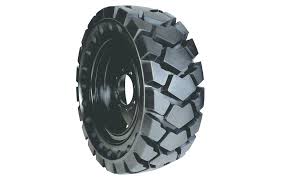
Skid Steer Tire Buying Guide, Skid steer loaders are among the most versatile machines used in construction, agriculture, landscaping, demolition, and material handling. While the machine itself is important, the tires you choose can dramatically affect performance, traction, fuel efficiency, and operating costs. This skid steer tire buying guide will help you understand the different tire types, tread patterns, sizing options, and maintenance tips so you can make the best purchasing decision for your equipment.
Why Choosing the Right Skid Steer Tires Matters
Skid steer tires endure extreme stress due to the machine’s unique turning motion and heavy-duty applications. Poor-quality or incorrect tires can lead to:
- Reduced traction
- Faster wear and tear
- Increased fuel consumption
- Poor ride comfort
- Higher downtime and replacement costs
Investing in the right tires improves productivity, safety, and long-term machine performance.
Types of Skid Steer Tires
Understanding the different types of skid steer tires is the first step in selecting the right option.
Pneumatic Tires
Pneumatic tires are air-filled and provide excellent shock absorption. They are commonly used for general-purpose applications.
Benefits
- Comfortable ride
- Better traction on uneven terrain
- Lower upfront cost
Drawbacks
- Vulnerable to punctures
- Require regular air pressure checks
Best for:
- Landscaping
- Farming
- Light construction work
Solid Skid Steer Tires
Solid tires are made entirely from rubber and contain no air.
Benefits
- Completely puncture-proof
- Longer lifespan
- Excellent for harsh environments
Drawbacks
- Rougher ride
- Higher initial cost
Best for:
- Demolition sites
- Recycling yards
- Scrap handling operations
Foam-Filled Tires
Foam-filled tires combine the benefits of pneumatic and solid tires.
Benefits
- Resistant to flats
- Better cushioning than solid tires
- Durable under heavy loads
Drawbacks
- Heavier than air-filled tires
- More expensive
Best for:
- Construction sites with debris
- Industrial applications
Understanding Tread Patterns
Tread design affects traction, durability, and surface impact.
Lug Tread
Lug treads provide deep traction in muddy or loose soil conditions.
Ideal for:
- Agriculture
- Wet terrain
- Off-road work
Block Tread
Block treads deliver stability and smoother performance on hard surfaces.
Ideal for:
- Pavement
- Warehouses
- Urban construction
Smooth Tread
Smooth tires minimize ground disturbance.
Ideal for:
- Indoor use
- Sensitive surfaces
- Turf applications
How to Choose the Correct Tire Size
Choosing the proper size ensures safe and efficient machine operation.
Common skid steer tire sizes include:
- 10-16.5
- 12-16.5
- 14-17.5
- 15-19.5
The tire size is usually printed on the sidewall of your current tire. Always follow the equipment manufacturer’s recommendations.
Factors to Consider
- Machine weight capacity
- Lift load requirements
- Terrain conditions
- Rim compatibility
Using the wrong tire size can negatively impact stability and machine performance.
Bias Ply vs. Radial Tires
Bias Ply Tires
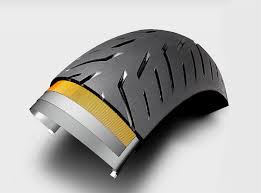
Bias ply tires have overlapping rubber layers.
Advantages
- Strong sidewalls
- Lower cost
- Excellent durability for rough terrain
Disadvantages
- Shorter tread life
- Rougher ride
Radial Tires
Radial tires use steel belts for better flexibility and road contact.
Advantages
- Longer lifespan
- Improved fuel efficiency
- Better ride comfort
Disadvantages
- Higher purchase price
Radial tires are ideal for operators seeking long-term value and smoother performance.
Terrain Considerations
Different worksites require different tire features.
Mud and Soft Soil
Choose deep lug tires for maximum traction.
Rocky Terrain
Select heavy-duty or solid tires with reinforced sidewalls.
Pavement and Concrete
Use block tread or smooth tires to reduce wear and vibration.
Snow and Ice
Consider specialized winter tread patterns for improved grip.
Tire Durability and Ply Rating
Ply rating indicates the tire’s load-carrying capacity and durability.
Common ratings include:
- 6-ply
- 8-ply
- 10-ply
- 12-ply
Higher ply ratings generally offer:
- Better puncture resistance
- Greater load capacity
- Longer service life
Heavy-duty operations often require higher ply ratings.
Signs You Need New Skid Steer Tires
Replace your tires when you notice:
- Excessive tread wear
- Sidewall cracks
- Frequent punctures
- Reduced traction
- Uneven wear patterns
Ignoring worn tires can reduce machine safety and productivity.
Tips for Extending Tire Life
Proper maintenance can significantly increase tire lifespan.
Maintain Correct Tire Pressure
Underinflated or overinflated tires wear unevenly.
Rotate Tires Regularly
Rotating tires helps distribute wear evenly.
Avoid Excessive Spinning
Aggressive turning and spinning accelerate tire damage.
Inspect Frequently
Check for cuts, embedded debris, and sidewall damage.
Match Tires Properly
Always use matching tire sizes and tread types on the same machine.
Budget vs. Premium Tires
Budget tires may save money initially, but premium tires often provide:
- Longer tread life
- Better traction
- Reduced downtime
- Lower long-term operating costs
For high-use machines, premium tires are usually the better investment.
Where to Buy Skid Steer Tires
You can purchase skid steer tires from:
- Heavy equipment dealers
- Tire specialists
- Agricultural supply stores
- Online industrial tire retailers
Before buying, compare:
- Warranty coverage
- Tire specifications
- Customer reviews
- Shipping costs
- Return policies
Final Thoughts
Choosing the right tires is essential for maximizing skid steer performance and minimizing operating costs. This skid steer tire buying guide highlights the key factors to consider, including tire type, tread pattern, durability, terrain compatibility, and maintenance practices.
Whether you operate in construction, farming, landscaping, or industrial environments, selecting the proper skid steer tires will improve traction, safety, productivity, and overall machine efficiency. By investing in high-quality tires and maintaining them properly, you can extend tire life and reduce costly downtime.