English
 Arabic

Construction Tire Safety Guide, Construction sites depend on durable and reliable tires to keep heavy machinery moving safely and efficiently. From loaders and graders to dump trucks and excavators, tires play a critical role in performance, stability, and worker safety. A proper construction tire safety guide helps operators reduce downtime, prevent accidents, and extend tire lifespan.
In this article, you’ll learn essential construction tire safety tips, maintenance practices, warning signs, and best operational methods for construction equipment tires.
Why Construction Tire Safety Matters
Construction environments are harsh. Sharp debris, uneven terrain, excessive loads, and high temperatures place constant stress on tires. Ignoring tire safety can lead to:
- Tire blowouts
- Equipment instability
- Reduced traction
- Workplace accidents
- Costly downtime
- Premature tire wear
Proper tire maintenance improves operational safety while reducing long-term replacement costs.
Types of Construction Tires
Different construction equipment requires specific tire types designed for particular applications.
Common Construction Tire Categories
1. Radial Tires
Radial tires provide:
- Better fuel efficiency
- Improved traction
- Longer tread life
- Smoother ride quality
They are commonly used on:
- Wheel loaders
- Dump trucks
- Graders
2. Bias Tires
Bias tires offer:
- Strong sidewall protection
- Better resistance to cuts
- Durability on rough terrain
These are often used in:
- Harsh quarry operations
- Rocky job sites
3. Solid Tires
Solid tires are puncture-resistant and ideal for:
- Forklifts
- Industrial equipment
- Demolition areas
Daily Tire Inspection Checklist
A daily inspection is one of the most important parts of any construction tire safety guide.
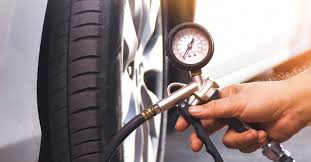
Check Tire Pressure
Improper inflation can cause:
- Overheating
- Reduced traction
- Uneven wear
- Sidewall damage
Always use manufacturer-recommended PSI levels.
Inspect for Visible Damage
Look for:
- Cuts
- Cracks
- Bulges
- Embedded debris
- Exposed cords
Even small damage can worsen under heavy loads.
Examine Tread Wear
Uneven tread wear may indicate:
- Alignment problems
- Improper inflation
- Suspension issues
Replace tires when tread depth reaches unsafe levels.
Inspect Valve Stems
Damaged valve stems may cause slow air leaks and pressure loss.
Check Wheel Components
Inspect:
- Rims
- Lug nuts
- Wheel locks
Loose or damaged components increase accident risks.
Proper Tire Inflation Practices
Maintaining proper inflation is essential for heavy equipment safety.
Risks of Underinflation
Underinflated tires can:
- Generate excess heat
- Increase rolling resistance
- Cause sidewall flexing
- Lead to blowouts
Risks of Overinflation
Overinflated tires may:
- Reduce traction
- Increase impact damage
- Cause uneven center wear
Best Practice
Check tire pressure:
- Before shifts
- When tires are cold
- Using calibrated gauges
Safe Loading Practices
Overloading is a major cause of construction tire failure.
Avoid Exceeding Load Ratings
Each tire has a maximum load capacity. Exceeding it may cause:
- Structural tire damage
- Reduced braking ability
- Heat buildup
Distribute Weight Evenly
Uneven loads place excessive stress on individual tires and affect machine balance.
Understand Load Cycles
Frequent heavy hauling increases tire fatigue and heat accumulation.
Tire Safety During Equipment Operation
Operators must follow safe driving habits to protect tires and workers.
Avoid Sharp Turns
Aggressive turning causes:
- Sidewall stress
- Faster tread wear
- Reduced tire lifespan
Reduce Speed on Rough Terrain
High speeds over rocks or debris increase puncture and impact risks.
Avoid Sudden Braking
Hard braking accelerates tire wear and can destabilize equipment.
Watch for Job Site Hazards
Common tire hazards include:
- Scrap metal
- Rebar
- Sharp rocks
- Concrete debris
Keeping work zones clean reduces tire damage.
Heat Management for Construction Tires
Heat is one of the biggest enemies of heavy equipment tires.
Causes of Excessive Tire Heat
- Overloading
- High speeds
- Underinflation
- Long operating hours
Preventing Heat Damage
- Allow cooldown periods
- Monitor tire temperature
- Reduce excessive travel distances
- Use the correct tire type for the application
Tire Rotation and Maintenance
Routine maintenance extends tire life and improves performance.
Rotate Tires Regularly
Rotation helps:
- Balance wear patterns
- Improve traction
- Extend service life
Maintain Proper Alignment
Poor alignment can cause:
- Uneven wear
- Steering problems
- Increased fuel usage
Keep Tires Clean
Mud, oil, and chemicals may degrade rubber compounds over time.
Signs a Construction Tire Needs Replacement
Replace tires immediately if you notice:
- Deep cracks
- Exposed steel belts
- Severe tread separation
- Sidewall bulges
- Frequent pressure loss
- Large punctures
Using damaged tires increases the likelihood of serious accidents.
Tire Storage Safety Tips
Proper storage protects unused construction tires from premature aging.
Store Tires:
- In cool, dry environments
- Away from sunlight
- Away from chemicals and oils
- Vertically when possible
Avoid:
- Excess moisture
- Extreme temperatures
- Direct UV exposure
Importance of Operator Training
Even high-quality tires become unsafe when equipment is used improperly.
Train Operators On:
- Daily tire inspections
- Proper load handling
- Safe driving habits
- Hazard recognition
- Emergency procedures
Well-trained operators help prevent tire-related incidents.
Emergency Tire Safety Procedures
Every construction site should have a tire emergency response plan.
In Case of Tire Failure:
- Stop equipment safely
- Move to a secure area
- Inspect for secondary damage
- Replace damaged tires immediately
- Report incidents to supervisors
Never continue operating equipment with compromised tires.
Choosing the Right Construction Tires
Selecting the right tire depends on:
- Terrain conditions
- Equipment type
- Load capacity
- Weather conditions
- Work environment
Consult tire manufacturers and equipment specifications before purchasing replacements.
Final Thoughts
A strong construction tire safety guide is essential for reducing accidents, improving equipment performance, and lowering maintenance costs. Regular inspections, proper inflation, safe operating practices, and routine maintenance all contribute to safer construction operations.
Construction tires endure extreme working conditions every day. Prioritizing tire safety protects operators, equipment, and overall job site productivity.