English
 Arabic

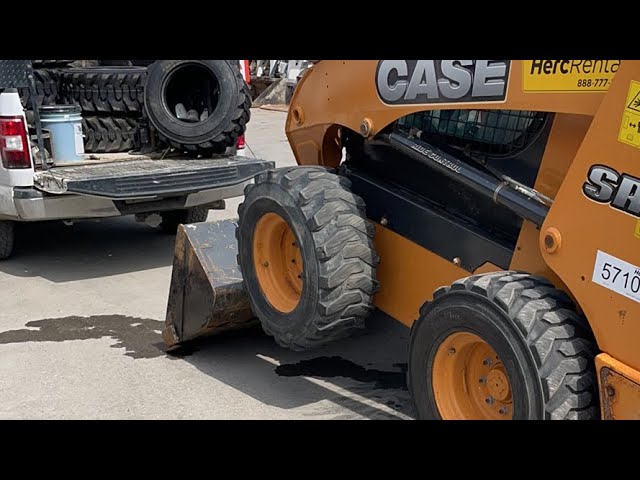
Skid Steer Tire Replacement Guide, Skid steer loaders are essential machines in construction, farming, landscaping, and industrial work. One of the most important maintenance tasks for keeping your equipment operating efficiently is proper tire replacement. This complete skid steer tire replacement guide will help you understand when to replace tires, how to choose the right replacement tires, and the steps involved in replacing them safely.
Why Skid Steer Tires Matter
Skid steer tires handle heavy loads, rough terrain, and constant turning. Unlike regular vehicle tires, skid steer tires experience extreme wear because of the machine’s unique steering mechanism. Worn or damaged tires can reduce traction, increase fuel consumption, and create unsafe operating conditions.
Replacing tires at the right time helps improve:
- Machine stability
- Operator safety
- Fuel efficiency
- Productivity
- Surface protection
- Overall equipment lifespan
Signs You Need Tire Replacement
Recognizing tire wear early can prevent expensive downtime. Here are the most common signs that indicate you need new skid steer tires:
1. Worn Tread
Low tread depth reduces traction and makes the machine difficult to control on mud, gravel, or wet surfaces.
2. Sidewall Damage
Cracks, cuts, bulges, or punctures on the sidewall weaken the tire structure and can lead to sudden failure.
3. Uneven Wear
Uneven tread wear often points to alignment issues, incorrect tire pressure, or improper load distribution.
4. Frequent Flats
If you are constantly repairing punctures, replacement is usually more cost-effective than ongoing repairs.
5. Reduced Performance
Loss of traction, rough rides, or excessive vibration may indicate worn-out tires.
Types of Skid Steer Tires
Choosing the correct tire type is a critical part of any skid steer tire replacement guide.
Pneumatic Tires
These air-filled tires provide a smoother ride and excellent traction. They are ideal for soft terrain but are vulnerable to punctures.
Solid Tires
Solid skid steer tires are puncture-proof and extremely durable. They work well in demolition sites and harsh environments.
Foam-Filled Tires
These combine the cushioning of pneumatic tires with added puncture resistance.
Non-Marking Tires
Designed for indoor applications, these tires prevent marks on warehouse or factory floors.
How to Choose the Right Replacement Tires
Selecting the best replacement tires depends on your application and work environment.
Consider the Terrain
- Mud and dirt: Deep tread tires
- Pavement and concrete: Smooth tread tires
- Rocky surfaces: Heavy-duty solid tires
Check Tire Size
Always verify the tire size recommended by the manufacturer. Common skid steer tire sizes include:
- 10-16.5
- 12-16.5
- 14-17.5
Load Capacity
Make sure the replacement tires can handle the operating weight and lifting capacity of your skid steer.
Tread Pattern
Different tread designs provide varying levels of traction and durability.
Tools Needed for Tire Replacement
Before beginning the replacement process, gather the following tools:
- Hydraulic jack
- Jack stands
- Lug wrench
- Torque wrench
- Tire changing tools
- Air compressor (for pneumatic tires)
- Safety gloves and goggles
Step-by-Step Skid Steer Tire Replacement Guide
Step 1: Park on a Flat Surface
Move the skid steer to stable, level ground and engage the parking brake.
Step 2: Lift the Machine
Use a hydraulic jack to carefully raise the machine. Secure it with jack stands for safety.
Step 3: Remove the Lug Nuts
Loosen and remove the lug nuts using a lug wrench.
Step 4: Remove the Old Tire
Pull the old tire and wheel assembly off the hub.
Step 5: Install the New Tire
Align the replacement tire with the wheel hub and slide it into place.
Step 6: Tighten Lug Nuts
Hand-tighten the lug nuts first, then use a torque wrench to tighten them to manufacturer specifications.
Step 7: Lower the Machine
Carefully lower the skid steer back to the ground.
Step 8: Check Tire Pressure
Inflate pneumatic tires to the recommended PSI level.
Safety Tips During Tire Replacement
Safety should always come first when following a skid steer tire replacement guide.
- Never work under an unsupported machine
- Wear protective equipment
- Use the correct lifting equipment
- Replace tires in pairs when possible
- Follow manufacturer torque specifications
Maintenance Tips to Extend Tire Life
Proper maintenance can significantly increase tire lifespan.
Maintain Correct Tire Pressure
Incorrect pressure causes premature wear and poor performance.
Rotate Tires
Regular rotation helps ensure even wear across all tires.
Avoid Excessive Spinning
Aggressive turning and spinning accelerate tread wear.
Inspect Tires Frequently
Check for damage, punctures, and tread wear regularly.
Keep Work Areas Clean
Sharp debris and scrap materials can damage tires quickly.
Cost of Skid Steer Tire Replacement
Replacement costs vary depending on tire type, size, and brand.
Average price ranges:
- Pneumatic tires: $150–$400 each
- Solid tires: $400–$900 each
- Foam-filled tires: $300–$700 each
Labor costs may also apply if you use professional installation services.
Common Mistakes to Avoid
Many operators shorten tire life by making avoidable mistakes:
- Using the wrong tire size
- Ignoring tire pressure checks
- Mixing different tread types
- Overloading the skid steer
- Delaying replacement too long
Final Thoughts
A reliable skid steer tire replacement guide is essential for maintaining performance, safety, and efficiency. Replacing worn tires at the right time helps prevent downtime and costly repairs while improving traction and machine control.
Whether you use your skid steer for construction, landscaping, agriculture, or industrial work, investing in the correct replacement tires and following proper installation procedures will keep your equipment operating at its best for years to come.