English
 Arabic

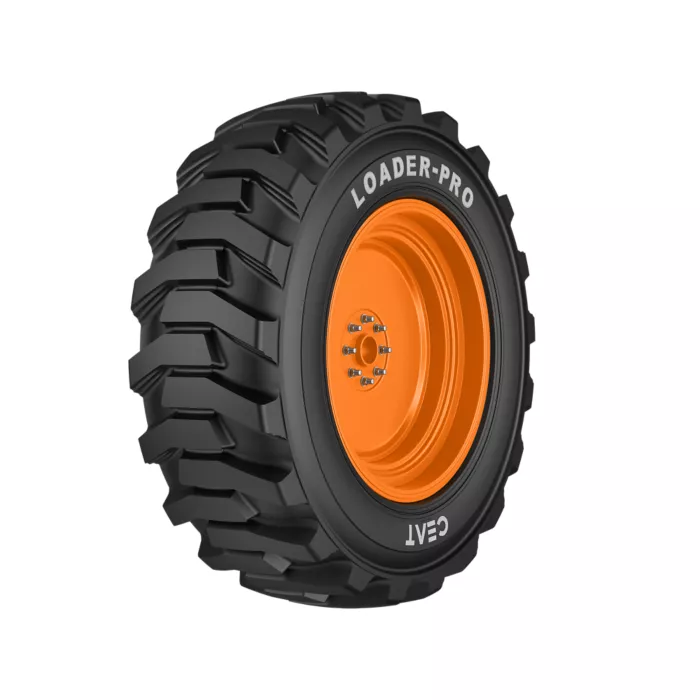
Heavy Duty Skid Steer Tires, Skid steer loaders are among the most versatile machines used in construction, farming, landscaping, demolition, and industrial applications. Whether operating on rough terrain, gravel, mud, concrete, or debris-filled job sites, the machine’s performance heavily depends on one critical component: heavy duty skid steer tires.
Choosing the right tires can improve traction, reduce downtime, increase productivity, and lower maintenance costs. In this guide, we’ll explore everything you need to know about heavy duty skid steer tires, including types, benefits, features, and how to choose the best option for your equipment.
What Are Heavy Duty Skid Steer Tires?
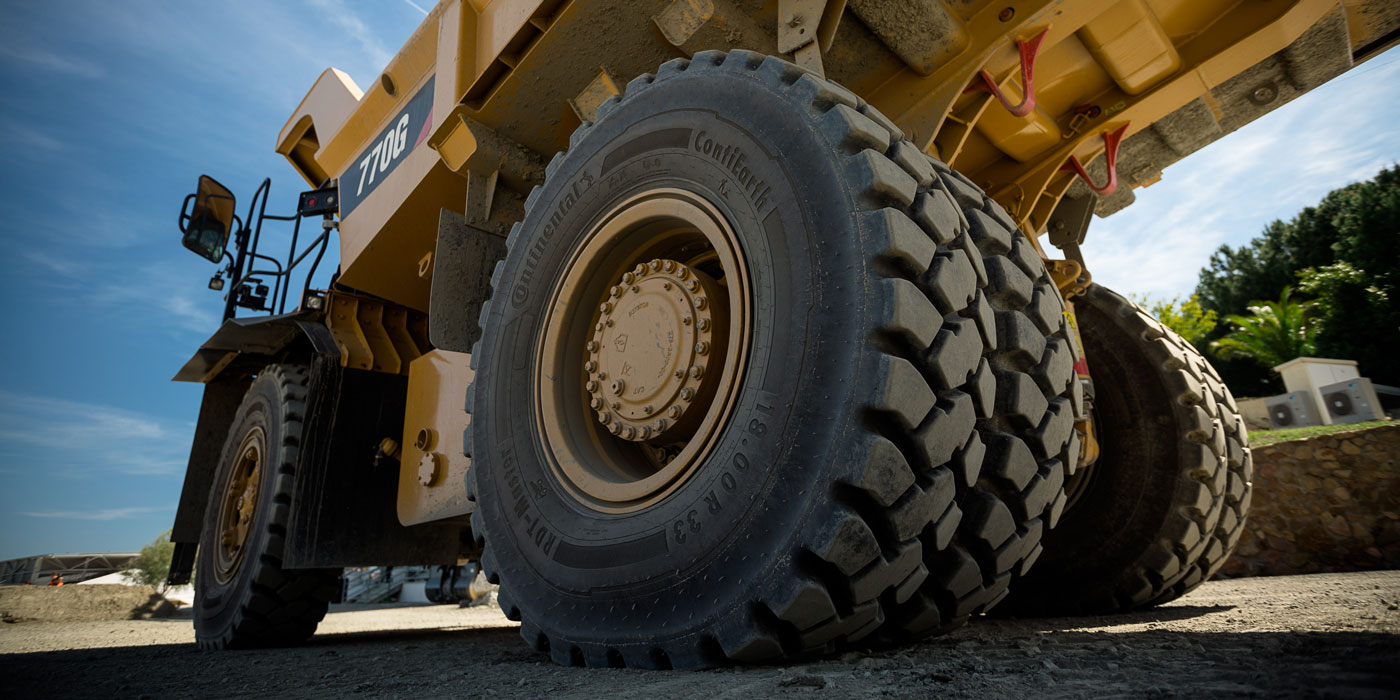
Heavy duty skid steer tires are specially engineered tires designed to withstand harsh working environments and extreme loads. Unlike standard tires, they feature reinforced sidewalls, deeper tread patterns, and stronger rubber compounds that provide superior durability and traction.
These tires are commonly used on skid steer loaders operating in demanding industries such as:
- Construction
- Agriculture
- Mining
- Roadwork
- Forestry
- Landscaping
- Waste management
Heavy duty skid steer tires are built to handle punctures, abrasion, sharp debris, and continuous heavy-duty use.
Benefits of Heavy Duty Skid Steer Tires
1. Increased Durability
One of the biggest advantages of heavy duty skid steer tires is their long-lasting construction. Reinforced rubber compounds resist cuts, tears, and punctures, making them ideal for rocky and debris-filled job sites.
2. Superior Traction
Heavy tread designs improve grip on mud, snow, dirt, and loose gravel. Better traction means safer operation and enhanced machine control.
3. Improved Load Capacity
Heavy duty tires are designed to support heavier loads without premature wear or sidewall damage.
4. Reduced Downtime
Flat tires and frequent replacements can delay projects. Heavy duty skid steer tires reduce maintenance interruptions and improve productivity.
5. Better Stability
Stronger tire construction enhances machine stability during lifting, digging, and hauling operations.
Types of Heavy Duty Skid Steer Tires
Pneumatic Tires
Pneumatic tires are air-filled and provide excellent shock absorption and ride comfort. They are commonly used for mixed terrain applications.
Advantages:
- Smooth ride
- Excellent traction
- Good for uneven terrain
Disadvantages:
- Vulnerable to punctures
Solid Skid Steer Tires
Solid tires are made entirely of rubber and eliminate the risk of flats.
Advantages:
- Puncture-proof
- Long service life
- Minimal maintenance
Disadvantages:
- Rougher ride quality
- Higher initial cost
Foam-Filled Tires
Foam-filled tires combine the flexibility of pneumatic tires with puncture resistance.
Advantages:
- Flat-proof performance
- Improved stability
- Ideal for demolition sites
Disadvantages:
- Heavier than standard tires
Key Features to Look for in Heavy Duty Skid Steer Tires
Deep Tread Design
Deep treads provide better traction and longer wear life, especially in muddy or rough terrain.
Reinforced Sidewalls
Heavy-duty sidewalls protect against cuts, punctures, and impact damage.
High Ply Rating
A higher ply rating means stronger tire construction and greater load-carrying capacity.
Self-Cleaning Tread
Self-cleaning patterns help remove mud and debris, improving traction and reducing slippage.
Heat Resistance
Quality heavy duty skid steer tires resist overheating during extended operation.
Best Applications for Heavy Duty Skid Steer Tires
Construction Sites
Construction environments often contain nails, concrete, rocks, and scrap metal. Heavy duty tires offer the protection needed for continuous operation.
Agricultural Work
Farm operations require strong traction on muddy fields and uneven terrain.
Demolition Projects
Demolition sites expose tires to sharp debris and harsh conditions, making puncture-resistant tires essential.
Landscaping
Landscapers benefit from tires that provide excellent flotation and minimize turf damage.
How to Choose the Right Heavy Duty Skid Steer Tires
Consider Terrain
Choose tread patterns based on your work environment:
- Aggressive tread for mud and loose soil
- Smooth tread for paved surfaces
- Hybrid tread for mixed terrain
Check Tire Size
Always match the manufacturer’s recommended tire size to ensure proper performance and safety.
Evaluate Load Requirements
Select tires capable of handling your machine’s maximum operating load.
Think About Operating Conditions
For harsh environments with sharp debris, solid or foam-filled heavy duty skid steer tires may be the best choice.
Maintenance Tips for Heavy Duty Skid Steer Tires
Proper maintenance extends tire life and improves machine efficiency.
Maintain Correct Tire Pressure
Incorrect pressure can cause uneven wear and reduced performance.
Rotate Tires Regularly
Rotating tires promotes even tread wear and extends lifespan.
Inspect for Damage
Check for cuts, cracks, and embedded debris before operation.
Avoid Excessive Spinning
Aggressive spinning accelerates tread wear and damages the tire surface.
Popular Heavy Duty Skid Steer Tire Brands
Several manufacturers produce reliable heavy duty skid steer tires, including:
- Michelin
- Galaxy
- Titan
- Camso
- BKT
These brands are known for producing durable and high-performance tires for demanding applications.
Final Thoughts
Investing in high-quality heavy duty skid steer tires can significantly improve machine performance, safety, and productivity. Whether you work in construction, agriculture, demolition, or landscaping, the right tires help reduce downtime and maximize efficiency.
When selecting heavy duty skid steer tires, focus on durability, traction, load capacity, and terrain compatibility. With proper maintenance and the right tire choice, your skid steer loader can perform reliably even in the toughest working conditions.