English
 Arabic

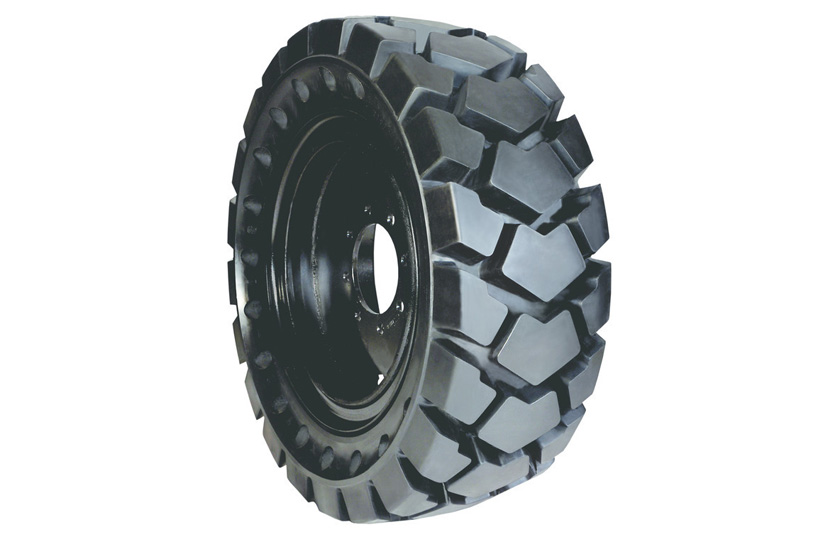
Skid Steer Tire Tread Guide, Skid steer loaders are among the most versatile machines used in construction, landscaping, farming, snow removal, and industrial applications. However, one factor that greatly affects their performance is the tire tread pattern. Choosing the correct tire tread can improve traction, extend tire life, reduce operating costs, and increase productivity.
This complete skid steer tire tread guide explains the different tread types, their applications, and how to choose the best option for your machine and work environment.
Why Tire Tread Matters on a Skid Steer
Skid steer tires operate under extreme stress. Unlike standard vehicles, skid steers pivot by dragging tires across the ground, which creates high friction and wear. The tread pattern directly affects:
- Traction
- Stability
- Ride comfort
- Surface protection
- Tire lifespan
- Fuel efficiency
Using the wrong tread can lead to poor handling, rapid wear, and costly downtime.
Common Types of Skid Steer Tire Treads
1. R4 Tread Pattern
The R4 tread is one of the most popular choices for general-purpose skid steer work.
Features
- Moderate tread depth
- Balanced traction
- Durable sidewalls
- Smooth operation on hard surfaces
Best Applications
- Construction sites
- Landscaping
- Mixed terrain
- Paved surfaces
Advantages
- Long tread life
- Good puncture resistance
- Versatile performance
Disadvantages
- Limited grip in deep mud
The R4 design is ideal for operators who need all-around performance in multiple conditions.
2. Lug Tread Pattern
Lug treads feature deep, aggressive bars designed for maximum traction.
Features
- Deep tread voids
- Strong self-cleaning capability
- Excellent off-road grip
Best Applications
- Muddy terrain
- Agriculture
- Soft soil
- Snow removal
Advantages
- Superior traction
- Better performance in wet conditions
Disadvantages
- Faster wear on pavement
- Rougher ride
If your machine frequently works in loose or muddy environments, lug tread tires are often the best choice.
3. Block Tread Pattern
Block treads use square or rectangular tread blocks arranged evenly across the tire.
Features
- Enhanced stability
- Smooth contact surface
- Reduced vibration
Best Applications
- Warehouse work
- Concrete surfaces
- Industrial yards
Advantages
- Smooth ride quality
- Lower surface damage
- Consistent wear
Disadvantages
- Less traction in mud
Block tread patterns work best indoors or on hard-packed surfaces where minimal ground disturbance is important.
4. Zig-Zag Tread Pattern
Zig-zag tread designs provide excellent contact with the ground while improving steering control.
Features
- Multi-directional grip
- Better cornering
- Reduced slippage
Best Applications
- Urban construction
- Asphalt work
- Light industrial tasks
Advantages
- Improved handling
- Lower rolling resistance
Disadvantages
- Moderate off-road performance
This tread style is commonly used when maneuverability and smoother operation are priorities.
How to Choose the Right Skid Steer Tire Tread
Selecting the best tread depends on several important factors.
Terrain Type
The working surface plays a major role in tire performance.
| Terrain | Recommended Tread |
|---|---|
| Mud | Lug tread |
| Pavement | Block or R4 |
| Gravel | R4 |
| Snow | Lug tread |
| Concrete | Block tread |
| Mixed terrain | R4 |
Weather Conditions
Wet and snowy conditions require deeper, more aggressive tread patterns for better traction and safety.
For dry environments, smoother tread patterns often provide longer life and better fuel efficiency.
Machine Usage
Consider how your skid steer is used daily.
- Heavy-duty excavation requires aggressive tread.
- Landscaping benefits from lower ground disturbance.
- Indoor work needs smoother tread for surface protection.
Tire Durability
Some tread patterns wear faster than others.
- Aggressive lug treads wear quickly on asphalt.
- R4 treads usually offer the best balance between traction and longevity.
Operators working mainly on concrete should prioritize wear-resistant compounds and less aggressive patterns.
Radial vs Bias Skid Steer Tires
Besides tread style, tire construction also matters.
Radial Tires
Benefits
- Better ride comfort
- Improved traction
- Longer tread life
Ideal For
- Long work hours
- Mixed surfaces
- High-speed applications
Bias Tires
Benefits
- Stronger sidewalls
- Lower cost
- Better resistance to impacts
Ideal For
- Demolition work
- Rough construction sites
- Heavy loads
Tips for Extending Tire Life
Proper maintenance can significantly increase tire lifespan.
Maintain Correct Tire Pressure
Underinflated tires wear unevenly and reduce fuel efficiency.
Avoid Excessive Spinning
Aggressive spinning accelerates tread wear and damages the tire casing.
Rotate Tires Regularly
Front and rear tires may wear differently depending on machine usage.
Match Tires Properly
Using mismatched tread patterns can affect stability and handling.
Inspect Tires Frequently
Check for:
- Cuts
- Sidewall damage
- Embedded debris
- Uneven wear
Signs You Need New Skid Steer Tires
Replace tires when you notice:
- Worn tread depth
- Reduced traction
- Frequent flats
- Sidewall cracking
- Uneven wear patterns
Ignoring these issues can affect safety and machine performance.
Best Industries for Different Tread Types
Construction
R4 and lug treads perform best on demanding job sites.
Agriculture
Deep lug patterns provide excellent grip in fields and muddy terrain.
Landscaping
R4 tread offers traction while minimizing turf damage.
Snow Removal
Aggressive lug tires improve winter traction and control.
Warehousing
Block tread patterns protect indoor flooring and deliver smoother handling.
Final Thoughts
Understanding tread patterns is essential when selecting the best tires for your equipment. This skid steer tire tread guide shows that no single tread works perfectly for every job. The ideal choice depends on terrain, weather, machine usage, and operating conditions.
For operators needing versatility, R4 tread remains a popular all-purpose solution. For muddy or loose surfaces, aggressive lug treads deliver superior traction. Indoor and industrial users often benefit from smoother block tread designs.
Choosing the correct skid steer tire tread improves safety, efficiency, and tire longevity while reducing downtime and maintenance costs.