English
 Arabic

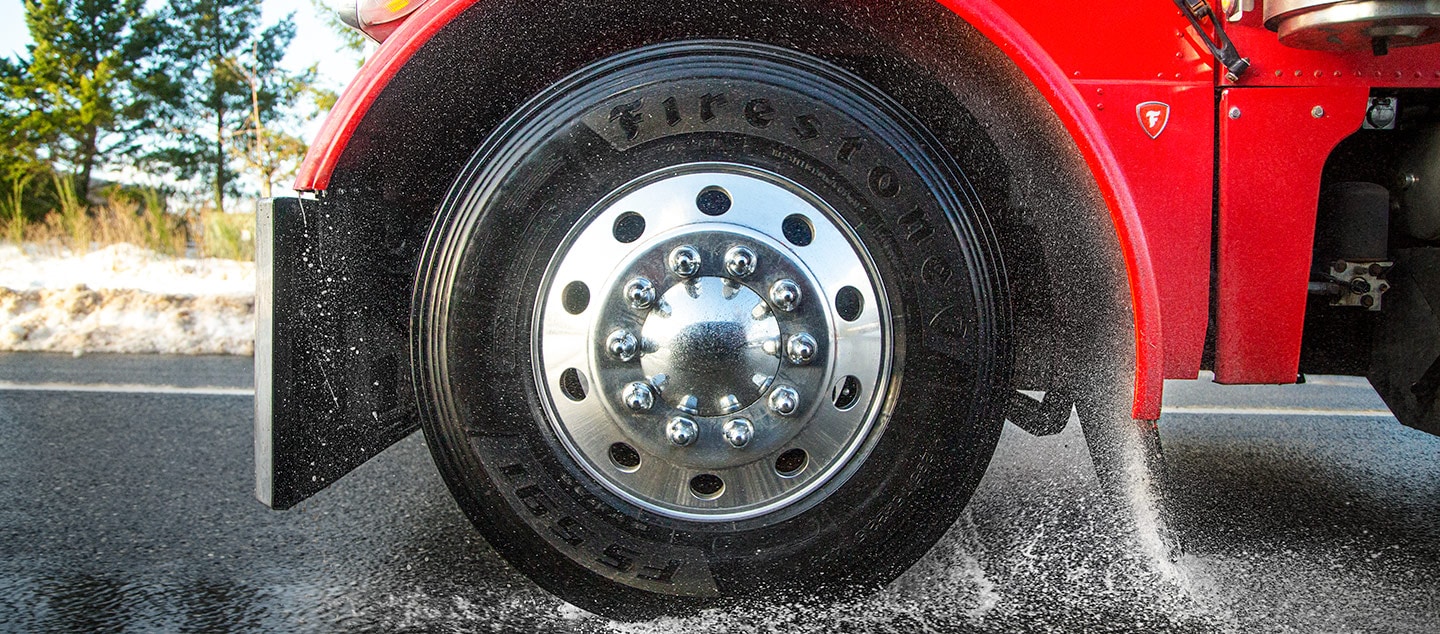
Commercial Transportation Tire Guide, Commercial transportation depends heavily on reliable tires. Whether operating long-haul trucks, delivery vans, buses, or construction vehicles, choosing the right tires can improve fuel efficiency, reduce downtime, increase safety, and lower operational costs. This commercial transportation tire guide explains the different tire types, key features, maintenance tips, and factors businesses should consider before purchasing commercial tires.
Why Commercial Tires Matter
Commercial tires are designed to handle heavy loads, long distances, and demanding road conditions. Unlike passenger vehicle tires, they must provide durability, stability, and traction under constant stress. The right tire selection can directly impact:
- Fuel economy
- Driver safety
- Cargo protection
- Tire lifespan
- Fleet operating costs
- Vehicle performance
A quality tire strategy helps transportation companies maintain productivity while minimizing unexpected breakdowns and repair expenses.
Types of Commercial Transportation Tires
Understanding the various tire categories is essential in this commercial transportation tire guide.
1. Steer Tires
Steer tires are installed on the front axle and are responsible for handling and steering control. These tires are designed for:
- Precise steering response
- Enhanced road stability
- Long tread life
- Improved fuel efficiency
Steer tires typically feature ribbed tread patterns for better highway performance.
2. Drive Tires
Drive tires provide traction and power transfer to the road. They are commonly used on powered axles and are ideal for:
- Wet and dry traction
- Snow and mud grip
- Heavy hauling applications
Deep tread designs improve grip and durability for long-distance transportation.
3. Trailer Tires
Trailer tires support cargo weight and improve trailer stability. Important features include:
- Even wear resistance
- Reduced rolling resistance
- Enhanced load capacity
These tires are essential for maintaining balance during transportation.
4. All-Position Tires
All-position tires can be used across multiple axle positions. They offer versatility and are commonly found on:
- Delivery trucks
- Regional fleets
- Urban transportation vehicles
These tires simplify inventory management for fleet operators.
Factors to Consider When Choosing Commercial Tires
This commercial transportation tire guide highlights several important purchasing considerations.
Load Capacity
Commercial vehicles carry substantial weight. Tires must match the required load rating to prevent overheating, blowouts, and premature wear.
Road Conditions
Different operations require specialized tires. Highway transportation may prioritize fuel efficiency, while off-road applications need aggressive tread designs for traction.
Fuel Efficiency
Low rolling resistance tires help reduce fuel consumption. Since fuel is one of the largest fleet expenses, efficient tires can generate significant savings over time.
Weather Performance
Transportation companies operating in harsh climates should select tires designed for snow, rain, or extreme temperatures.
Tire Durability
Commercial tires experience continuous use. High-quality rubber compounds and reinforced sidewalls help maximize lifespan and reduce replacement frequency.
Importance of Tire Maintenance
Even the best tires require proper maintenance. Regular inspections help extend tire life and improve safety.
Maintain Proper Tire Pressure
Incorrect inflation leads to:
- Uneven tread wear
- Reduced fuel economy
- Increased blowout risk
Fleet managers should monitor tire pressure regularly.
Rotate Tires Frequently
Tire rotation promotes even wear across all positions, helping maximize tread life.
Inspect Tread Depth
Worn tread reduces traction and increases stopping distance. Commercial operators should replace tires before they reach unsafe tread levels.
Perform Wheel Alignment
Improper alignment causes uneven wear and poor handling. Regular alignment checks improve tire performance and driver comfort.
Benefits of Retread Tires
Many fleet operators use retread tires to reduce costs. Retreading involves replacing worn tread while reusing the tire casing.
Advantages include:
- Lower operating expenses
- Reduced environmental waste
- Comparable performance to new tires when properly manufactured
Retreads are commonly used in long-haul trucking fleets worldwide.
Seasonal Tire Considerations
Weather conditions significantly impact tire performance.
Summer Tires
Designed for warm temperatures and highway driving, summer commercial tires offer:
- Better fuel efficiency
- Reduced rolling resistance
- Enhanced dry-road handling
Winter Tires
Winter commercial tires provide:
- Improved snow traction
- Better ice control
- Flexible rubber compounds in cold temperatures
Businesses operating in northern regions should strongly consider seasonal tire changes.
Emerging Trends in Commercial Tire Technology
Modern tire technology continues to evolve. Innovations include:
- Smart tire monitoring systems
- Fuel-saving tread compounds
- Advanced retread technology
- Eco-friendly manufacturing materials
Many commercial fleets now use tire pressure monitoring systems (TPMS) to improve safety and maintenance scheduling.
Tips for Fleet Managers
This commercial transportation tire guide recommends the following best practices:
- Choose tires based on vehicle application
- Train drivers on tire safety inspections
- Track tire wear and maintenance records
- Invest in quality brands with proven reliability
- Replace damaged tires immediately
A proactive tire management strategy can significantly improve fleet efficiency.
Conclusion
Selecting the right tires is critical for any transportation business. This commercial transportation tire guide demonstrates how proper tire selection, maintenance, and monitoring contribute to safety, efficiency, and cost savings. By understanding tire types, performance factors, and maintenance requirements, fleet operators can maximize vehicle uptime and improve overall operational success.
Businesses that invest in high-quality commercial tires and regular maintenance programs are better positioned to reduce expenses, enhance driver safety, and maintain reliable transportation services.