English
 Arabic

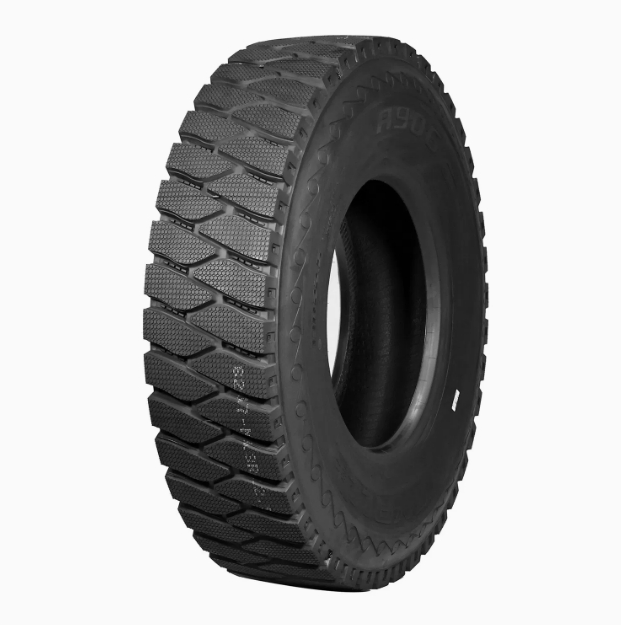
Best Tires For Logistics Fleets, In the logistics industry, tires are more than just vehicle components — they are critical assets that directly affect fuel efficiency, uptime, safety, maintenance costs, and delivery performance. For fleet managers, choosing the best tires can significantly reduce operational expenses while improving reliability across long-haul, regional, and last-mile transportation networks.
Modern logistics fleets face challenging conditions every day, including heavy loads, frequent stops, urban traffic, rough roads, and long-distance highway driving. Because of this, selecting the right tire requires balancing durability, rolling resistance, tread life, retreadability, and weather performance.
Industry experts consistently identify fuel efficiency and durability as the two most important priorities for fleet tire selection. Low rolling resistance (LRR) tires can help reduce fuel consumption, while reinforced sidewalls and durable tread compounds improve tire lifespan in demanding logistics environments. (Fleet Maintenance)
Why Tire Selection Matters for Logistics Fleets
Fleet tires have a direct impact on several operational areas:
- Fuel economy
- Maintenance costs
- Driver safety
- Vehicle uptime
- Delivery schedules
- Total cost per mile
According to fleet management studies, poor tire maintenance and low-quality tires can lead to higher fuel usage, premature wear, roadside breakdowns, and increased downtime. Structured tire management programs can reduce total tire costs by 10–20% in many commercial fleets. (simplyfleet.app)
Key Features to Look for in Fleet Tires
1. Low Rolling Resistance
Low rolling resistance tires reduce the amount of energy needed to keep trucks moving. This lowers fuel consumption and helps fleets reduce operating costs.
Research shows that rolling resistance contributes significantly to commercial vehicle fuel consumption, making LRR tires especially valuable for long-haul fleets. (Fleet Maintenance)
2. High Durability
Logistics fleets often operate in harsh conditions with curbs, potholes, uneven roads, and heavy loads. Durable tires with reinforced sidewalls and cut-resistant compounds can dramatically reduce failures and replacement frequency.
Urban and last-mile fleets particularly benefit from tires designed for high-scrub environments and frequent stop-and-go driving. (Heavy Duty Trucking)
3. Retreadability
Premium commercial tires are often designed with strong casings that support retreading. Retreading extends tire life and lowers long-term costs.
Industry experts note that fleets using high-quality retreadable tires can achieve substantial savings over time while maintaining strong performance. (ttnews.com)
4. Wet and All-Weather Traction
Safety is critical in logistics operations. Tires with excellent wet traction help maintain stability and braking performance during rain or slippery conditions.
This is particularly important for delivery fleets operating in cities where frequent braking and turning increase accident risks. (Heavy Duty Trucking)
5. Smart Tire Monitoring Compatibility
Many modern fleets now integrate TPMS (Tire Pressure Monitoring Systems) to track tire health in real time. These systems help prevent underinflation, overheating, and blowouts.
Fleet operators using TPMS technologies often report measurable fuel savings and longer tire life. (yatis.io)
Best Tire Types for Different Logistics Operations
Long-Haul Fleets
Long-haul fleets benefit most from:
- Low rolling resistance tires
- Retreadable premium casings
- High mileage tread designs
- Fuel-efficient highway tread patterns
These tires prioritize fuel savings and long tread life over aggressive traction.
Regional Delivery Fleets
Regional logistics fleets require:
- Balanced fuel efficiency and durability
- Strong sidewall protection
- Enhanced wet traction
- Heat-resistant compounds
Regional operations typically involve both highway and urban driving, making versatility essential.
Last-Mile Delivery Fleets
Last-mile delivery vehicles face constant stopping, turning, and curb contact. The best tires for these fleets include:
- Reinforced sidewalls
- Cut- and chip-resistant compounds
- Durable tread blocks
- Strong urban traction
Experts emphasize that urban delivery tires must withstand high-scrub environments and heavy braking cycles. (Heavy Duty Trucking)
Premium vs Budget Fleet Tires
One of the biggest decisions for logistics operators is whether to invest in premium or budget commercial tires.
Premium tires usually offer:
- Better fuel economy
- Longer tread life
- Improved retreadability
- Reduced downtime
- Stronger casings
Budget tires may lower upfront costs but can increase long-term expenses through shorter lifespan and reduced efficiency. Fleet specialists often recommend focusing on total cost per mile rather than initial purchase price alone. (ttnews.com)
Tire Maintenance Best Practices for Logistics Fleets
Even the best tires perform poorly without proper maintenance. Successful logistics companies typically follow these practices:
Regular Pressure Checks
Underinflated tires increase rolling resistance and fuel consumption while accelerating tread wear.
Scheduled Rotations and Alignments
Routine rotations help ensure even wear and maximize tire lifespan.
Tire Data Tracking
Fleet management systems can monitor:
- Tire age
- Tread depth
- Pressure history
- Maintenance records
- Replacement cycles
Driver Education
Drivers play a major role in tire longevity. Safe braking, smooth acceleration, and avoiding curb impacts can extend tire life significantly.
Technology Trends in Fleet Tire Management
The logistics industry is increasingly adopting digital tire management systems. Modern solutions include:
- Real-time TPMS monitoring
- Predictive maintenance analytics
- Automated inspection alerts
- Fuel efficiency tracking
- Tire lifecycle management software
Fleet operators on industry forums and fleet management platforms frequently report that integrated tire monitoring systems help reduce downtime and improve operational visibility. (Reddit)
Final Thoughts
The best tires for logistics fleets are those that deliver the lowest total operating cost while maintaining high safety and reliability standards. Whether managing long-haul trucks, regional carriers, or urban delivery vans, fleet managers should prioritize:
- Fuel efficiency
- Durability
- Retreadability
- Traction
- Smart monitoring compatibility
Investing in premium commercial tires and proactive tire management programs can lead to substantial savings, reduced downtime, and improved fleet performance over the long term. As logistics operations continue evolving, tire technology and fleet monitoring systems will remain essential tools for maximizing efficiency and profitability.