English
 Arabic

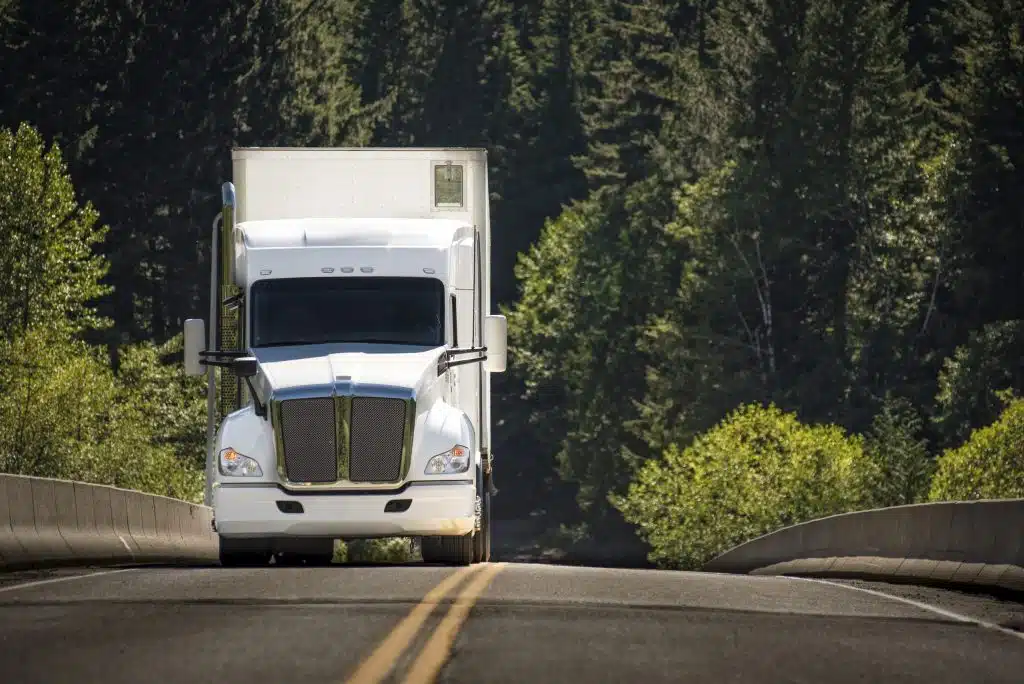
How Weather Affects Truck Tires, Truck tires are built to handle heavy loads, long distances, and rough road conditions. However, weather plays a major role in determining how well these tires perform and how long they last. From extreme heat to freezing temperatures, every climate condition can impact tire pressure, traction, durability, and safety. Understanding how weather affects truck tires is essential for fleet owners, truck drivers, and logistics companies that want to improve performance and reduce maintenance costs.
The Impact of Hot Weather on Truck Tires
High temperatures are one of the biggest threats to truck tires. During summer months, road surfaces can become extremely hot, increasing tire temperature rapidly. Heat causes the air inside the tire to expand, which can lead to overinflation. When a tire is overinflated, it becomes more vulnerable to blowouts and uneven wear.
Hot weather also softens the rubber compound of the tire. As the rubber becomes softer, the tread wears down faster, especially on long-haul routes. Trucks carrying heavy cargo are at even greater risk because the extra weight generates additional heat through friction.
Common Problems Caused by Heat
- Tire blowouts
- Rapid tread wear
- Reduced fuel efficiency
- Increased risk of sidewall damage
- Poor braking performance
To prevent heat-related tire damage, drivers should regularly check tire pressure and avoid overloading their trucks.
Cold Weather and Tire Performance
Cold weather affects truck tires in the opposite way. As temperatures drop, the air inside tires contracts, leading to lower tire pressure. Underinflated tires create more rolling resistance, which reduces fuel efficiency and increases tread wear.
Winter roads can also become icy or snowy, reducing traction significantly. Tires that are not designed for winter conditions may struggle to grip the road properly, increasing the chances of skidding or accidents.
Effects of Cold Temperatures
- Lower tire pressure
- Reduced traction
- Cracking in tire rubber
- Increased stopping distance
- Uneven tire wear
Truck operators should inspect tires frequently during winter and consider using winter or all-weather tires in colder regions.
Rain and Wet Road Conditions
Rain creates slippery road surfaces that make it difficult for truck tires to maintain traction. When water builds up between the tire and the road, hydroplaning can occur. Hydroplaning happens when the tire loses contact with the road surface, causing the driver to lose control of the vehicle.
Tires with worn tread are especially dangerous during rainy conditions because they cannot channel water away effectively. Deep tread grooves are essential for maintaining grip on wet roads.
Safety Tips for Wet Weather
- Maintain proper tread depth
- Reduce driving speed
- Increase following distance
- Check tire alignment regularly
- Avoid sudden braking
Good tire maintenance is critical for safe driving during heavy rain.
Snow and Ice Challenges
Snow and ice create some of the most dangerous conditions for truck drivers. Standard truck tires may harden in freezing temperatures, reducing flexibility and grip. Specialized winter tires are designed with unique rubber compounds and tread patterns that improve traction on icy roads.
Chains may also be required in mountainous or severe winter regions. Properly equipped tires help trucks maintain stability and control even in harsh conditions.
Winter Tire Benefits
- Better traction on snow
- Improved braking ability
- Enhanced vehicle stability
- Reduced risk of sliding
Using the right tire type during winter can greatly improve road safety.
Humidity and Tire Wear
Humidity may not seem like a major factor, but it can still affect truck tires over time. Moisture in the air can accelerate corrosion in metal wheel components and contribute to tire degradation. In humid environments, tires may also experience faster rubber aging if not stored properly.
Fleet managers should inspect tires regularly in humid regions to detect early signs of wear or damage.
Wind and Road Stability
Strong winds can affect truck handling and tire performance. Crosswinds place uneven pressure on tires, especially for large commercial trucks and trailers. This extra stress may cause irregular wear patterns and make steering more difficult.
Drivers should reduce speed during windy conditions and ensure tires are properly balanced for better stability.
Seasonal Tire Maintenance Tips
Proper maintenance is the best way to reduce weather-related tire problems. Truck drivers and fleet owners should follow a seasonal tire care routine to improve safety and extend tire lifespan.
Essential Tire Maintenance Practices
- Check tire pressure regularly
- Inspect tread depth frequently
- Rotate tires on schedule
- Avoid overloading the truck
- Replace damaged tires immediately
- Use weather-appropriate tires
- Monitor wheel alignment and balancing
Routine inspections can prevent costly breakdowns and improve fuel economy.
Why Understanding How Weather Affects Truck Tires Matters
Knowing how weather affects truck tires helps drivers make smarter decisions on the road. Weather conditions directly influence tire pressure, traction, durability, and overall performance. Ignoring these effects can lead to accidents, expensive repairs, and shorter tire life.
By adapting tire maintenance practices to changing weather conditions, trucking companies can improve safety, reduce downtime, and maximize tire performance throughout the year.
Conclusion
Weather has a powerful impact on truck tires, influencing everything from traction to tire lifespan. Hot temperatures can cause blowouts, cold weather reduces pressure and grip, while rain and snow increase the risk of accidents. Understanding how weather affects truck tires allows truck owners and drivers to take preventive measures that improve safety and efficiency.
Regular inspections, proper inflation, and choosing the right tires for the season are essential steps for keeping trucks operating safely in all weather conditions.