English
 Arabic

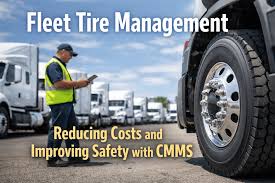
Fleet Tire Cost Reduction Tips, Managing a commercial fleet comes with many operational expenses, and tire costs are often one of the largest recurring expenditures. From fuel efficiency to maintenance downtime, tires directly affect fleet profitability. Implementing effective fleet tire cost reduction tips can help fleet managers lower operating expenses, extend tire lifespan, and improve vehicle performance.
In this article, we’ll explore practical ways to reduce tire-related costs while maximizing safety and efficiency for your fleet.
Why Tire Management Matters for Fleets
Tires impact several critical aspects of fleet operations, including:
- Fuel consumption
- Vehicle safety
- Maintenance costs
- Driver productivity
- Downtime reduction
Poor tire management can lead to premature wear, blowouts, and increased fuel usage. A proactive strategy helps businesses save thousands of dollars annually.
1. Maintain Proper Tire Inflation
One of the most effective fleet tire cost reduction tips is maintaining correct tire pressure.
Benefits of Proper Inflation
- Improves fuel economy
- Reduces uneven wear
- Prevents overheating
- Extends tire lifespan
Underinflated tires create rolling resistance, forcing engines to work harder and consume more fuel. Overinflated tires can reduce traction and wear tires unevenly.
Best Practices
- Check tire pressure weekly
- Use automated tire pressure monitoring systems (TPMS)
- Train drivers to inspect tires before trips
Consistent pressure maintenance can significantly reduce replacement frequency.
2. Implement a Tire Rotation Schedule
Regular tire rotation ensures even tread wear across all tires.
Recommended Rotation Intervals
Most fleets rotate tires every:
- 5,000–8,000 miles for light-duty vehicles
- 10,000–15,000 miles for heavy-duty trucks
Rotating tires evenly distributes wear patterns and prevents premature tire replacement.
3. Use High-Quality Tires
Choosing cheaper tires may seem cost-effective initially, but low-quality products often wear out faster and increase maintenance costs.
What to Look For
- Durable tread compounds
- Fuel-efficient designs
- Retread compatibility
- Manufacturer warranties
Premium commercial tires may cost more upfront but deliver better long-term value.
4. Invest in Retreading Programs
Retreading is one of the most valuable fleet tire cost reduction tips for commercial fleets.
Advantages of Retreading
- Costs significantly less than new tires
- Extends casing life
- Reduces environmental waste
- Maintains dependable performance
Many fleet operators successfully retread tires multiple times before full replacement.
5. Conduct Routine Tire Inspections
Frequent inspections help identify issues before they become expensive problems.
Inspect for:
- Uneven tread wear
- Sidewall damage
- Embedded debris
- Alignment problems
- Cracks or punctures
Routine inspections reduce roadside breakdowns and unexpected downtime.
6. Improve Wheel Alignment
Poor alignment increases tire wear and negatively impacts fuel efficiency.
Signs of Misalignment
- Vehicle pulling to one side
- Uneven tread patterns
- Steering wheel vibration
Regular alignment checks help maximize tire life and improve driving stability.
7. Train Drivers on Tire Care
Driver behavior has a major impact on tire longevity.
Encourage Drivers To:
- Avoid sudden braking
- Reduce aggressive acceleration
- Maintain safe speeds
- Avoid potholes and curbs
Well-trained drivers contribute significantly to lower tire replacement costs.
8. Monitor Tire Tread Depth
Worn tread reduces traction and increases accident risk.
Why Tread Monitoring Matters
- Improves road safety
- Prevents regulatory violations
- Helps schedule replacements efficiently
Using tread depth gauges ensures tires are replaced at the optimal time rather than too early or too late.
9. Reduce Excess Vehicle Weight
Overloaded vehicles place additional stress on tires and accelerate wear.
Tips to Reduce Weight
- Eliminate unnecessary cargo
- Balance loads properly
- Follow manufacturer weight limits
Reducing excess weight improves tire performance and fuel economy.
10. Use Fleet Tire Management Software
Modern fleet management systems help track tire performance data.
Features to Look For
- Tire pressure monitoring
- Maintenance scheduling
- Mileage tracking
- Wear analysis
- Cost reporting
Digital tracking enables data-driven decisions that lower operational expenses.
11. Optimize Route Planning
Efficient route planning minimizes unnecessary mileage and harsh road exposure.
Benefits
- Reduces tire wear
- Saves fuel
- Minimizes maintenance costs
- Improves delivery efficiency
Avoiding rough roads and traffic congestion helps preserve tire condition.
12. Store Tires Properly
Improper storage can damage unused tires before installation.
Proper Tire Storage Tips
- Keep tires away from sunlight
- Store in cool, dry environments
- Avoid exposure to chemicals
- Stack properly to prevent deformation
Good storage practices protect your investment and maintain tire quality.
13. Analyze Tire Performance Data
Tracking performance metrics helps identify inefficiencies.
Important Metrics
- Cost per mile
- Average tread life
- Fuel economy impact
- Failure rates
Regular analysis supports smarter purchasing and maintenance decisions.
Environmental Benefits of Tire Cost Reduction
Implementing fleet tire cost reduction tips also supports sustainability goals.
Eco-Friendly Advantages
- Lower fuel consumption
- Reduced tire waste
- Fewer tire replacements
- Reduced carbon emissions
Sustainable fleet practices benefit both businesses and the environment.
Common Mistakes Fleet Managers Should Avoid
Avoid these costly errors:
- Ignoring tire pressure checks
- Delaying alignment services
- Purchasing low-quality tires
- Neglecting driver training
- Skipping preventive maintenance
Even small oversights can lead to substantial long-term costs.
Final Thoughts
Effective tire management is essential for reducing operational expenses and improving fleet efficiency. By following these proven fleet tire cost reduction tips, fleet managers can extend tire lifespan, lower fuel costs, improve safety, and reduce downtime.
From proper inflation and tire rotation to driver training and retreading programs, every strategy contributes to better fleet performance and higher profitability. A proactive approach to tire maintenance not only saves money but also ensures smoother, safer operations for the long term.