English
 Arabic

Commercial Tire Safety Tips, Commercial vehicles depend heavily on tire performance for safety, fuel efficiency, and operational reliability. Whether you manage a trucking fleet, operate construction equipment, or drive delivery vehicles, understanding proper tire maintenance is essential. Following the right commercial tire safety tips can reduce accidents, minimize downtime, and extend tire lifespan.
Why Commercial Tire Safety Matters
Commercial tires carry heavy loads and travel long distances under demanding conditions. Poor tire maintenance can lead to:
- Tire blowouts
- Reduced fuel economy
- Uneven tire wear
- Loss of vehicle control
- Increased repair costs
- Delayed deliveries and downtime
By implementing regular tire inspections and maintenance routines, businesses can improve road safety and reduce operational expenses.
Inspect Tires Before Every Trip
One of the most important commercial tire safety tips is performing a pre-trip inspection. Drivers should carefully check tires before heading out on the road.
What to Look For
- Cuts, cracks, or punctures
- Low tread depth
- Bulges or sidewall damage
- Embedded objects like nails or debris
- Uneven tread wear
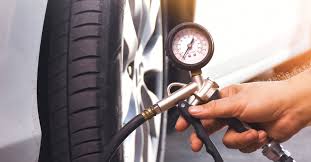
- Proper inflation levels
Early detection of tire issues can prevent dangerous roadside breakdowns.
Maintain Proper Tire Pressure
Incorrect tire pressure is a major cause of tire failure in commercial vehicles. Underinflated tires generate excessive heat, while overinflated tires reduce traction and wear unevenly.
Benefits of Proper Inflation
- Improved fuel efficiency
- Better handling and stability
- Longer tire life
- Reduced risk of blowouts
- Enhanced braking performance
Always follow manufacturer-recommended PSI levels and check tire pressure when tires are cold.
Monitor Tread Depth Regularly
Tread depth directly impacts traction, especially during wet or slippery conditions. Worn tires increase stopping distances and reduce vehicle control.
Recommended Tread Depth
- Steer tires: minimum 4/32 inch
- Other commercial tires: minimum 2/32 inch
Many fleet managers replace tires before reaching the legal minimum for added safety.
Rotate Tires on Schedule
Regular tire rotation helps distribute wear evenly across all tires. Uneven wear can negatively affect handling, fuel efficiency, and tire longevity.
Rotation Benefits
- Extended tire lifespan
- Improved traction
- Smoother ride quality
- Better overall vehicle performance
Follow the vehicle manufacturer’s recommended rotation schedule for optimal results.
Avoid Overloading Vehicles
Overloaded trucks place excessive stress on tires, increasing the risk of heat buildup and tire failure. One of the most overlooked commercial tire safety tips is staying within legal weight limits.
Risks of Overloading
- Tire blowouts
- Suspension damage
- Poor braking performance
- Increased fuel consumption
Drivers should always verify cargo weight and ensure proper load distribution.
Check Wheel Alignment and Balancing
Improper alignment causes uneven tire wear and steering problems. Tire balancing issues can create vibrations that damage both tires and suspension components.
Signs of Alignment Problems
- Vehicle pulling to one side
- Uneven tread wear
- Steering wheel vibration
- Reduced fuel economy
Routine alignment checks help maintain safe driving conditions and maximize tire life.
Drive Safely to Protect Tires
Driver behavior has a direct impact on tire condition. Aggressive driving habits can accelerate tire wear and increase the likelihood of tire damage.
Safe Driving Practices
- Avoid sudden braking
- Reduce sharp cornering
- Maintain safe speeds
- Avoid potholes and road hazards
- Accelerate gradually
Professional driver training can significantly improve tire performance and road safety.
Use Quality Commercial Tires
Investing in high-quality commercial tires provides better durability, traction, and fuel efficiency. Cheap or poorly manufactured tires may fail prematurely and increase maintenance costs.
Choose Tires Based On
- Vehicle type
- Load capacity
- Road conditions
- Weather environment
- Mileage requirements
Working with trusted tire suppliers helps ensure proper tire selection for commercial operations.
Maintain Proper Tire Storage
Spare and seasonal tires should be stored correctly to prevent premature deterioration.
Tire Storage Tips
- Store in a cool, dry environment
- Keep away from direct sunlight
- Avoid exposure to chemicals or oils
- Store vertically when possible
Proper storage extends tire usability and preserves rubber quality.
Implement a Fleet Tire Maintenance Program
For fleet operators, a structured tire maintenance program is essential. Digital tire monitoring systems can track:
- Tire pressure
- Tread wear
- Rotation schedules
- Tire age
- Maintenance history
Preventive maintenance reduces emergency repairs and improves operational efficiency.
Conclusion
Following these essential commercial tire safety tips helps commercial drivers and fleet operators improve road safety, reduce operating costs, and extend tire lifespan. Routine inspections, proper inflation, safe driving habits, and regular maintenance all play a critical role in keeping commercial vehicles operating safely and efficiently.
A proactive tire safety strategy not only protects drivers and cargo but also enhances overall fleet performance and reliability.