English
 Arabic

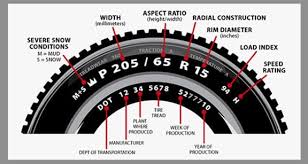
How To Read Truck Tire Sizes, Understanding truck tire sizes is essential for choosing the right tires for safety, performance, fuel efficiency, and load capacity. Whether you drive a pickup truck, semi-truck, or commercial vehicle, learning how to read tire markings can help you make smarter buying decisions and maintain your vehicle properly.
In this guide, we’ll explain exactly how to read truck tire sizes, what each number and letter means, and how to choose the correct tire for your truck.
Why Truck Tire Sizes Matter
Truck tires are designed to handle heavy loads, rough roads, towing, and long-distance driving. Using the wrong tire size can lead to:
- Poor fuel economy
- Reduced handling and braking
- Faster tire wear
- Incorrect speedometer readings
- Safety risks under heavy loads
That’s why understanding tire sizing is important for every truck owner and fleet operator.
Where to Find Truck Tire Size Information
You can usually find truck tire size markings in three places:
- On the tire sidewall
- Inside the driver’s door jamb
- In the owner’s manual
The tire sidewall contains the most detailed information.
Example of a Truck Tire Size
A common truck tire size may look like this:
LT275/65R20 126/123S
At first glance, this combination of letters and numbers may seem confusing. Let’s break it down step by step.
Understanding Each Part of the Tire Size
1. LT — Tire Type
The first letters indicate the tire category.
Common Truck Tire Prefixes
- LT = Light Truck
- P = Passenger Vehicle
- ST = Special Trailer
- T = Temporary Spare
Example
LT275/65R20
The “LT” means the tire is specifically built for light trucks and can handle heavier loads than passenger tires.
2. 275 — Tire Width
The next number shows the tire width in millimeters.
Example
275
This means the tire is 275 millimeters wide from sidewall to sidewall.
Wider tires generally provide:
- Better traction
- Improved stability
- Enhanced towing capability
However, they may also reduce fuel efficiency slightly.
3. 65 — Aspect Ratio
The aspect ratio tells you the tire’s height compared to its width.
Example
65
This means the sidewall height is 65% of the tire width.
A lower aspect ratio typically offers:
- Better handling
- Sportier appearance
A higher aspect ratio usually provides:
- Smoother ride comfort
- Better off-road cushioning
4. R — Tire Construction
The letter after the aspect ratio indicates tire construction type.
Common Types
- R = Radial
- D = Diagonal/Bias Ply
Example
R
Most modern truck tires are radial because they offer:
- Longer tread life
- Better fuel economy
- Improved road stability
5. 20 — Wheel Diameter
The final number indicates the wheel size in inches.
Example
20
This tire fits a 20-inch wheel or rim.
Always match the tire diameter exactly with your wheel size.
Understanding Load Index and Speed Rating
After the main tire size, you may see additional numbers and letters.
Example
126/123S
Load Index
The numbers represent how much weight the tire can safely carry.
Example
- 126 = Single tire load rating
- 123 = Dual tire load rating
Truck tires often have higher load indexes because they support heavy cargo and towing.
Speed Rating
The final letter shows the maximum safe speed.
Common Truck Tire Speed Ratings
- Q = 99 mph
- R = 106 mph
- S = 112 mph
- T = 118 mph
Example
S
This tire is rated for speeds up to 112 mph under proper conditions.
Ply Rating and Load Range
Truck tires also include load range information.
Common Examples
- Load Range C
- Load Range D
- Load Range E
These ratings indicate tire strength and air pressure capacity.
General Guide
| Load Range | Ply Rating | Typical Use |
|---|---|---|
| C | 6-ply | Light-duty trucks |
| D | 8-ply | Medium loads |
| E | 10-ply | Heavy-duty towing and hauling |
Load Range E tires are common on heavy-duty pickup trucks.
Metric vs Flotation Truck Tire Sizes
Truck tires come in two common sizing systems.
Metric Tire Sizes
Example:
LT275/65R20
Most modern highway truck tires use this format.
Flotation Tire Sizes
Example:
35×12.50R20
Here’s what it means:
- 35 = Tire height in inches
- 12.50 = Tire width in inches
- R = Radial construction
- 20 = Wheel diameter
Flotation sizes are common for:
- Off-road trucks
- Lifted trucks
- Mud-terrain tires
How to Choose the Correct Truck Tire Size
When replacing truck tires, consider:
1. Manufacturer Recommendations
Always start with the tire size recommended by your truck manufacturer.
2. Load Capacity
Choose tires that can safely handle:
- Cargo weight
- Towing weight
- Passenger weight
3. Driving Conditions
Different tire types are designed for different environments:
- Highway tires
- All-terrain tires
- Mud-terrain tires
- Winter truck tires
4. Wheel Compatibility
The tire must match your wheel diameter exactly.
Common Truck Tire Size Mistakes
Avoid these common errors:
- Installing oversized tires without proper clearance
- Ignoring load ratings
- Mixing different tire sizes
- Using passenger tires on heavy-duty trucks
- Choosing appearance over functionality
These mistakes can reduce safety and damage your truck.
Tips for Maintaining Truck Tires
Proper maintenance extends tire life and improves performance.
Important Maintenance Tips
- Check tire pressure regularly
- Rotate tires every 5,000–8,000 miles
- Inspect tread depth
- Balance and align wheels
- Avoid overloading the truck
Proper tire care also improves fuel economy and road safety.
Final Thoughts
Learning how to read truck tire sizes is easier once you understand what each number and letter represents. Tire markings provide important details about:
- Tire width
- Sidewall height
- Wheel size
- Load capacity
- Speed rating
Whether you own a pickup truck, work truck, or commercial vehicle, choosing the correct tire size helps improve safety, handling, towing performance, and tire longevity.