English
 Arabic

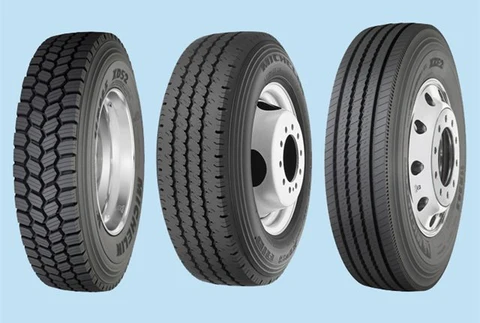
Steer Tires VS Drive Tires, When it comes to commercial trucks, choosing the right tires is critical for safety, performance, fuel efficiency, and overall operating costs. One of the most important distinctions in the trucking industry is understanding steer tires vs drive tires. Although both types are essential for heavy-duty vehicles, they are designed for completely different functions.
In this article, we’ll explain the differences between steer tires and drive tires, their features, applications, benefits, and how to choose the right tire for your truck.
What Are Steer Tires?
Steer tires are mounted on the front axle of a truck and are responsible for steering, handling, and maintaining vehicle stability. These tires directly influence how the truck responds to driver input, especially during turning, braking, and highway driving.
Key Features of Steer Tires
- Designed for precise steering control
- Ribbed tread pattern for smooth highway performance
- Improved fuel efficiency
- Enhanced stability and driver comfort
- Long tread life under highway conditions
Benefits of Steer Tires
1. Better Handling
Steer tires provide accurate steering response, making it easier to control large commercial vehicles.
2. Improved Fuel Economy
Their low rolling resistance design helps reduce fuel consumption during long-haul operations.
3. Smooth Ride Quality
The tread design minimizes vibration and road noise for a more comfortable driving experience.
4. Enhanced Safety
Steer tires improve braking and cornering stability, especially on wet or uneven roads.
What Are Drive Tires?
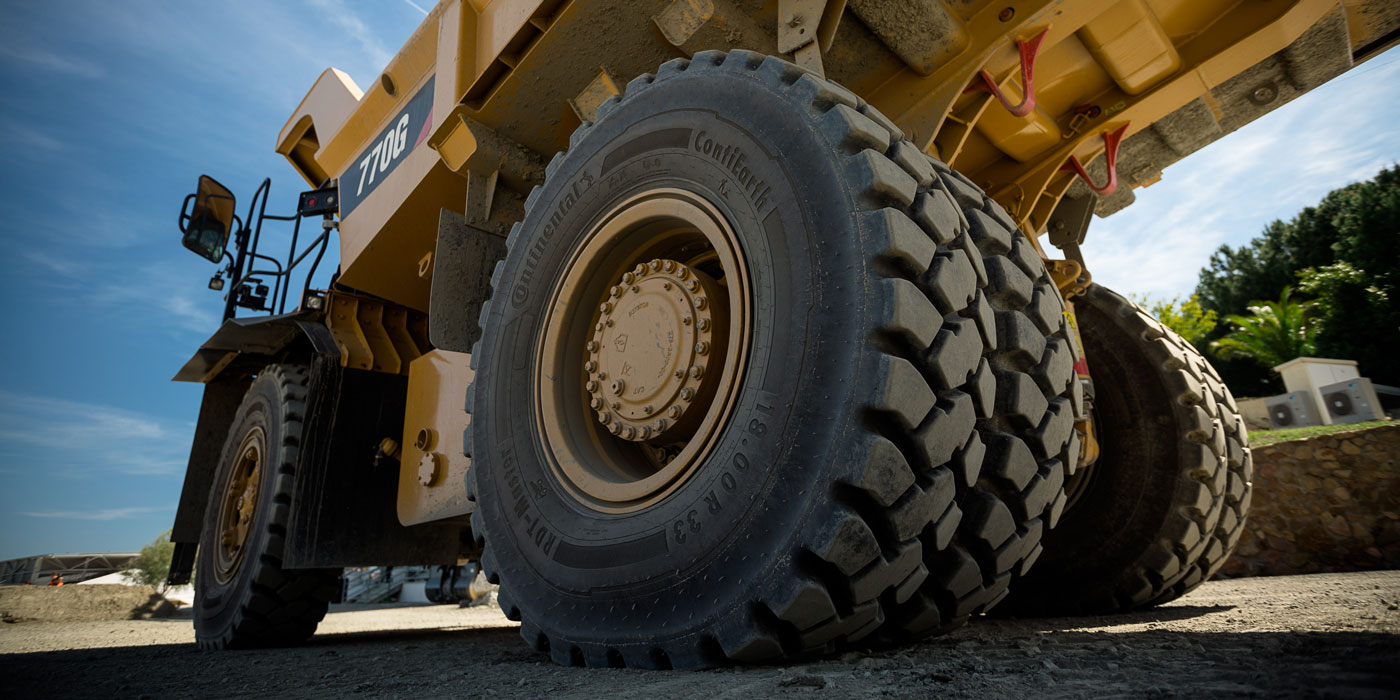
Drive tires are installed on the drive axle of a truck. Their primary role is to deliver traction and power from the engine to the road surface. These tires are especially important for hauling heavy loads and operating in challenging weather or terrain conditions.
Key Features of Drive Tires
- Deep tread patterns for maximum traction
- Built for torque transfer
- Excellent grip on wet, muddy, or snowy roads
- Durable casing for heavy-duty applications
- Resistant to wear from high torque loads
Benefits of Drive Tires
1. Superior Traction
Drive tires provide the grip needed for acceleration and climbing steep grades.
2. Better Load Carrying Capability
They are designed to handle the stress of heavy freight transportation.
3. Increased Durability
Drive tires are made to withstand harsh road conditions and continuous use.
4. Reliable Performance in Tough Conditions
They perform exceptionally well in rain, snow, dirt, and off-road environments.
Steer Tires vs Drive Tires: Main Differences
| Feature | Steer Tires | Drive Tires |
|---|---|---|
| Position | Front axle | Drive axle |
| Primary Function | Steering and handling | Traction and power delivery |
| Tread Design | Ribbed pattern | Deep lug pattern |
| Fuel Efficiency | Higher | Moderate |
| Traction | Moderate | Excellent |
| Ride Comfort | Smoother | Slightly rougher |
| Wear Pattern | Even highway wear | Aggressive wear resistance |
| Best Use | Highway steering control | Heavy hauling and traction |
Tread Pattern Differences
One of the easiest ways to identify steer tires vs drive tires is by looking at the tread design.
Steer Tire Tread
Steer tires usually feature straight ribs that:
- Improve directional stability
- Reduce rolling resistance
- Promote even wear
- Enhance highway performance
Drive Tire Tread
Drive tires typically have aggressive lugs or blocks that:
- Increase traction
- Improve grip on slippery surfaces
- Handle mud, gravel, and snow more effectively
Can You Use Drive Tires as Steer Tires?
Using drive tires in the steer position is generally not recommended unless approved by the tire manufacturer. Drive tires are optimized for traction rather than steering precision, which can negatively impact handling, comfort, and fuel economy.
Similarly, steer tires should not be used on drive axles because they lack the traction capabilities needed for power transfer.
Always follow manufacturer recommendations and fleet maintenance guidelines.
How to Choose the Right Tire
Selecting the right tire depends on your truck’s operating conditions and application.
Choose Steer Tires If:
- You mainly drive on highways
- Fuel efficiency is a priority
- Smooth handling matters
- Long-distance hauling is common
Choose Drive Tires If:
- You frequently haul heavy loads
- You operate in rough terrain
- Traction is critical
- You drive in snow or wet conditions
Tire Maintenance Tips
Proper maintenance extends the lifespan of both steer and drive tires.
Important Maintenance Practices
- Check tire pressure regularly
- Rotate tires according to schedule
- Inspect for uneven wear
- Maintain proper wheel alignment
- Avoid overloading
- Replace damaged tires immediately
Regular inspections help reduce downtime and improve road safety.
Which Tires Wear Faster?
In many cases, drive tires wear faster because they handle engine torque and heavy loads. However, poor alignment can cause steer tires to wear unevenly or prematurely.
Monitoring tread depth and maintaining proper inflation are essential for maximizing tire life.
Final Thoughts
Understanding the difference between steer tires vs drive tires is essential for truck owners, fleet managers, and drivers. Steer tires focus on handling, comfort, and fuel economy, while drive tires are engineered for traction, durability, and load support.