English
 Arabic

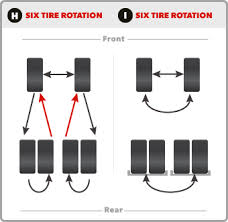
Truck Tire Rotation Guide, Truck tire maintenance plays a major role in vehicle safety, fuel efficiency, and overall operating costs. One of the most important maintenance practices is tire rotation. A proper truck tire rotation guide helps drivers extend tire lifespan, improve traction, and reduce uneven wear patterns that can lead to expensive replacements.
Whether you operate a pickup truck, commercial truck, or heavy-duty fleet vehicle, understanding how and when to rotate tires can save money and improve road performance.
What Is Truck Tire Rotation?
Truck tire rotation is the process of moving tires from one wheel position to another at regular intervals. Because different positions on a truck experience different stress levels, tires wear unevenly over time.
For example:
- Front tires often wear faster due to steering and braking
- Rear tires handle heavier loads
- Drive axle tires experience more torque and traction pressure
Rotating the tires distributes wear evenly across all tires, helping them last longer and perform better.
Why Tire Rotation Is Important
Following a proper truck tire rotation guide offers several benefits:
1. Extends Tire Life
Uneven tire wear shortens tire lifespan. Regular rotation ensures balanced wear and helps maximize mileage.
2. Improves Fuel Efficiency
Unevenly worn tires create rolling resistance, which can reduce fuel economy.
3. Enhances Safety
Balanced tires provide better traction, braking, and handling in wet or slippery conditions.
4. Reduces Maintenance Costs
Rotating tires regularly can prevent premature tire replacement and suspension issues.
5. Improves Ride Comfort
Even tire wear reduces vibrations and creates a smoother driving experience.
How Often Should Truck Tires Be Rotated?
Most experts recommend rotating truck tires every:
- 5,000 to 8,000 miles for light-duty trucks
- 10,000 to 15,000 miles for commercial trucks
- During every oil change for convenience
However, heavy towing, off-road driving, or uneven road conditions may require more frequent rotations.
Always check the vehicle manufacturer’s recommendations for the ideal schedule.
Common Signs Your Truck Needs Tire Rotation
Watch for these warning signs:
- Uneven tread wear
- Steering wheel vibration
- Increased road noise
- Reduced traction
- Vehicle pulling to one side
Ignoring these symptoms can lead to faster tire damage and unsafe driving conditions.
Truck Tire Rotation Patterns
Different trucks use different rotation methods depending on drivetrain and tire setup.
1. Forward Cross Pattern
Best for:
- Rear-wheel-drive trucks
- Pickup trucks
Pattern:
- Rear tires move straight forward
- Front tires cross to opposite rear positions
This is one of the most common truck rotation methods.
2. Rearward Cross Pattern
Best for:
- Front-wheel-drive trucks
Pattern:
- Front tires move straight back
- Rear tires cross to opposite front positions
Although less common in trucks, some light-duty vehicles use this method.
3. X-Pattern Rotation
Best for:
- Four-wheel-drive trucks
- Vehicles with equal tire sizes
Pattern:
- All tires move diagonally to opposite positions
This helps distribute wear evenly across all tires.
4. Side-to-Side Rotation
Best for:
- Directional tires
- Different front and rear tire sizes
Pattern:
- Tires swap sides only
Directional tires can only rotate in one direction, limiting rotation options.
Heavy-Duty Truck Tire Rotation Guide
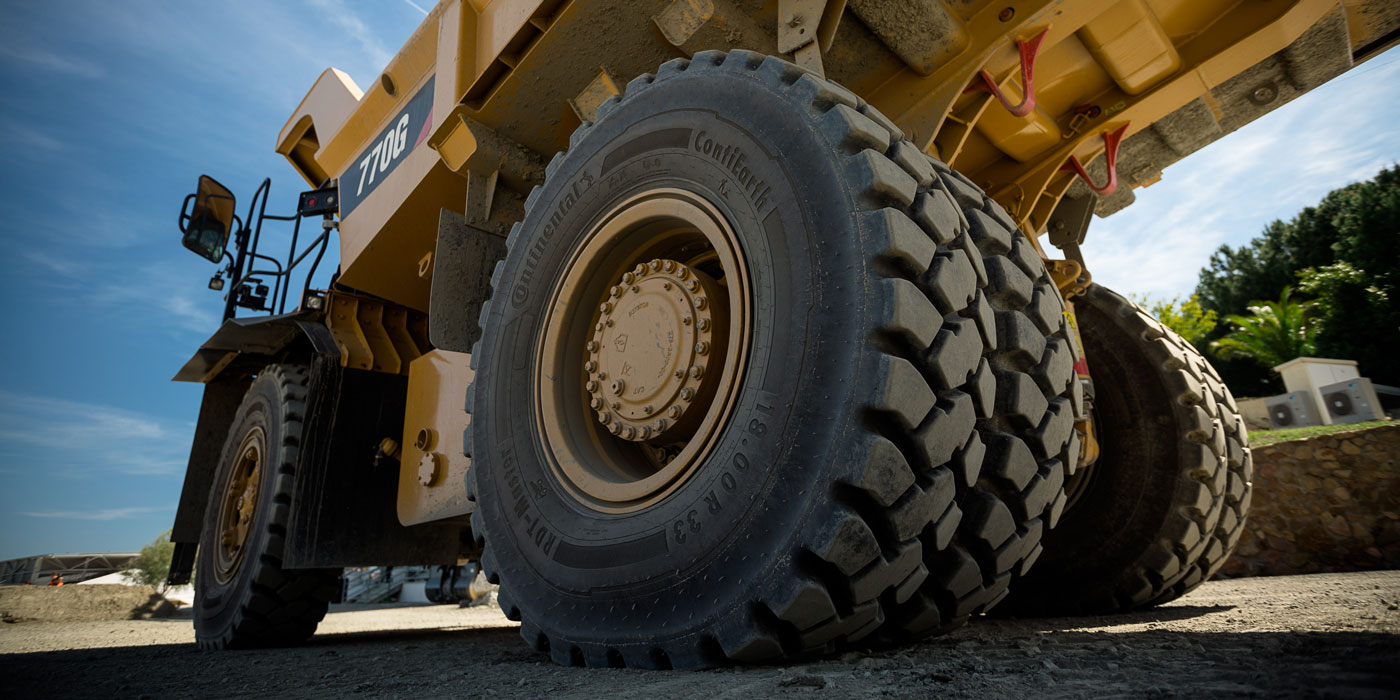
Commercial and heavy-duty trucks often have multiple axles and dual rear wheels, requiring specialized rotation patterns.
Steer Tires
Steer axle tires wear heavily on shoulders due to turning pressure.
Drive Tires
Drive axle tires experience rapid wear from torque and heavy loads.
Trailer Tires
Trailer tires can develop irregular wear from scrubbing during turns.
Fleet managers often use scheduled rotation programs to maximize tire investment and improve fuel economy.
Step-by-Step Truck Tire Rotation Process
Step 1: Inspect Tire Condition
Before rotating:
- Check tread depth
- Look for punctures or sidewall damage
- Examine uneven wear patterns
Step 2: Check Tire Pressure
Adjust pressure according to manufacturer specifications before reinstalling tires.
Step 3: Lift the Truck Safely
Use:
- Hydraulic jack
- Jack stands
- Wheel chocks
Safety should always come first.
Step 4: Rotate Tires According to Pattern
Follow the correct rotation method based on drivetrain and tire type.
Step 5: Torque Lug Nuts Properly
Use a torque wrench to tighten lug nuts to recommended specifications.
Step 6: Reset Tire Monitoring Systems
If equipped with TPMS sensors, recalibrate the system after rotation.
Tips for Better Tire Maintenance
A complete truck tire rotation guide also includes regular maintenance habits:
- Check tire pressure weekly
- Maintain proper wheel alignment
- Balance tires regularly
- Avoid overloading the truck
- Inspect suspension components
- Rotate tires on schedule
Proper maintenance significantly improves tire performance and durability.
Can You Rotate Truck Tires Yourself?
Yes, many truck owners rotate tires themselves if they have:
- Proper tools
- Mechanical knowledge
- Safe lifting equipment
However, professional tire shops can ensure:
- Correct balancing
- Accurate torque settings
- Detailed tire inspections
For heavy-duty trucks, professional service is usually recommended.
Common Tire Rotation Mistakes
Avoid these common errors:
- Rotating tires too late
- Ignoring tire pressure
- Mixing directional rotation patterns
- Forgetting wheel alignment checks
- Using improper torque settings
These mistakes can reduce tire lifespan and compromise safety.
Conclusion
Following a reliable truck tire rotation guide is essential for maintaining tire performance, extending tire life, and improving road safety. Regular tire rotation helps prevent uneven wear, boosts fuel efficiency, and reduces long-term operating costs.
Whether you drive a personal pickup truck or manage a commercial fleet, consistent tire maintenance can protect your investment and keep your vehicle operating at peak performance.