English
 Arabic

Truck Tire Size Guide, Choosing the right truck tires is essential for safety, fuel efficiency, load capacity, and overall vehicle performance. Whether you drive a pickup truck, commercial vehicle, or heavy-duty transport truck, understanding tire sizes can help you make smarter buying decisions. This complete truck tire size guide explains how truck tire sizing works, what the numbers mean, and how to select the correct tires for your vehicle.
Why Truck Tire Size Matters
Truck tires are designed to handle heavy loads, tough road conditions, and long driving distances. Using the wrong tire size can lead to:
- Reduced fuel economy
- Poor handling and braking
- Uneven tire wear
- Lower load capacity
- Increased risk of tire failure
Understanding truck tire specifications helps ensure optimal performance and safety on the road.
How to Read Truck Tire Sizes
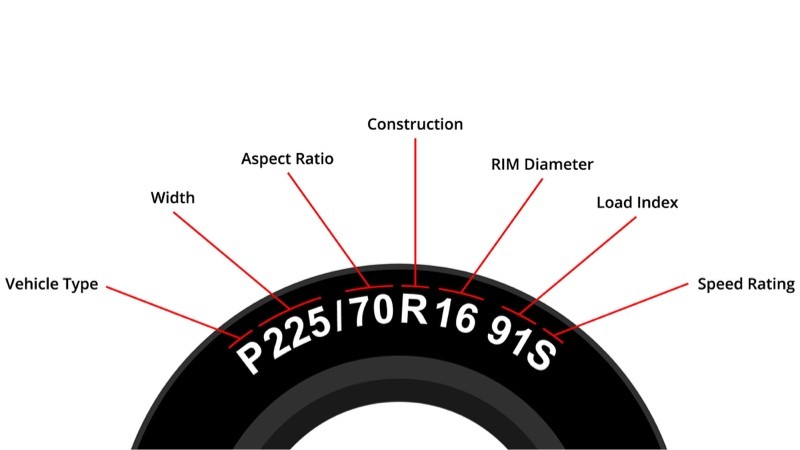
Truck tire sizes are printed on the sidewall of every tire. A typical truck tire size may look like this:
LT275/65R18 123/120S
Here is what each part means:
LT
“LT” stands for Light Truck. These tires are specially designed for trucks, SUVs, and vehicles carrying heavier loads.
275
This number represents the tire width in millimeters. In this example, the tire is 275 mm wide.
65
This is the aspect ratio, meaning the sidewall height is 65% of the tire width.
R
The “R” indicates Radial Construction, which is the most common tire design used today.
18
This number shows the wheel diameter in inches. The tire fits an 18-inch wheel.
123/120
These are the load indexes that indicate how much weight the tire can safely support.
S
The final letter is the speed rating, which indicates the maximum safe speed for the tire.
Common Truck Tire Size Types
Light Truck Tires (LT)
LT tires are commonly used on pickup trucks and SUVs. They offer stronger sidewalls and better towing capability.
Popular sizes include:
- LT245/75R16
- LT265/70R17
- LT285/75R16
Flotation Tires
These tires are wider and often used for off-road applications.
Example:
- 33×12.50R20
The numbers represent:
- Tire height
- Tire width
- Wheel diameter
Commercial Truck Tires
Heavy-duty trucks use larger tires with commercial sizing systems.
Examples:
- 11R22.5
- 295/75R22.5
- 315/80R22.5
These tires are designed for maximum durability and load handling.
Understanding Load Range
Load range indicates the tire’s strength and carrying capacity. Common load ranges include:
| Load Range | Ply Rating | Usage |
|---|---|---|
| C | 6 Ply | Light-duty trucks |
| D | 8 Ply | Medium loads |
| E | 10 Ply | Heavy-duty towing |
| F | 12 Ply | Commercial applications |
For towing or hauling heavy cargo, Load Range E or higher is often recommended.
Choosing the Right Truck Tire Size
When selecting truck tires, consider the following factors:
Vehicle Manufacturer Recommendations
Always check the owner’s manual or tire placard for approved tire sizes.
Driving Conditions
- Highway driving requires durable all-season tires.
- Off-road driving benefits from mud-terrain or all-terrain tires.
- Winter conditions may require snow-rated tires.
Towing and Payload
If you frequently tow trailers or carry heavy loads, choose tires with higher load ratings.
Fuel Efficiency
Larger tires can reduce fuel efficiency, while properly sized tires help maintain better mileage.
Plus Sizing Explained
Many truck owners upgrade to larger wheels and tires for appearance and performance. This is called plus sizing.
Example:
- Original size: LT265/70R17
- Upgraded size: LT285/65R18
Benefits include:
- Improved appearance
- Better road grip
- Enhanced handling
However, oversized tires may affect:
- Speedometer accuracy
- Fuel economy
- Suspension performance
Truck Tire Size Conversion Chart
Here are some common truck tire size equivalents:
| Metric Size | Flotation Size |
|---|---|
| 31×10.50R15 | LT265/75R15 |
| 32×11.50R15 | LT285/75R16 |
| 33×12.50R17 | LT285/70R17 |
| 35×12.50R20 | LT325/60R20 |
This chart helps truck owners compare different sizing systems.
Signs You Need New Truck Tires
Replace your truck tires if you notice:
- Tread depth below 2/32 inch
- Cracks or bulges
- Uneven tread wear
- Excessive vibration
- Reduced traction
Regular tire inspections improve safety and extend tire life.
Tips for Maintaining Truck Tires
Proper tire maintenance increases performance and longevity.
Check Tire Pressure
Maintain recommended PSI levels for safe driving and even wear.
Rotate Tires Regularly
Rotate tires every 5,000 to 8,000 miles.
Wheel Alignment
Poor alignment can cause rapid tire wear and handling issues.
Balance Tires
Balanced tires improve ride comfort and reduce vibration.
Best Truck Tire Options
Some popular truck tire categories include:
- All-terrain tires
- Mud-terrain tires
- Highway-terrain tires
- Winter truck tires
- Commercial steer tires
- Drive axle tires
Choose tires based on your driving needs and environment.
Final Thoughts
Understanding tire sizing is essential for every truck owner. This truck tire size guide helps you decode tire markings, choose the correct load range, and select the best tires for your driving conditions. Whether you use your truck for daily commuting, towing, off-roading, or commercial hauling, the right tire size can improve safety, efficiency, and overall performance.