English
 Arabic

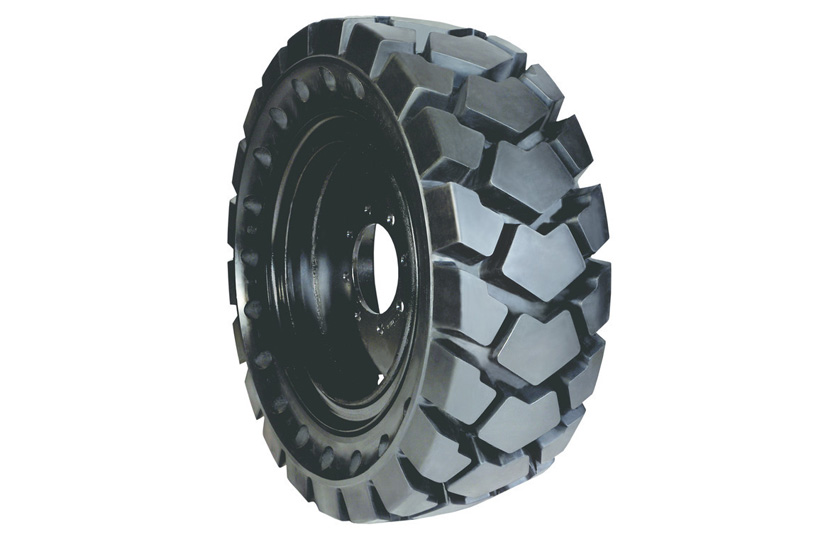
Industrial Skid Steer Tire Guide, Choosing the right tires for your skid steer can make a major difference in performance, safety, and long-term operating costs. Whether you work in construction, agriculture, landscaping, or industrial material handling, understanding industrial skid steer tires helps you get the most out of your machine. This industrial skid steer tire guide breaks down everything you need to know before buying or replacing tires.
What Are Skid Steer Tires?
Skid steer tires are specially designed for compact, highly maneuverable machines used in tough job site conditions. Unlike standard vehicle tires, they are built to handle:
- Heavy loads
- Rough and uneven terrain
- Frequent turning and “skid” steering motion
- Abrasive surfaces like gravel, concrete, and debris
Because skid steers often operate in demanding environments, tire selection directly affects productivity and machine durability.
Types of Industrial Skid Steer Tires
Understanding tire types is essential in any industrial skid steer tire guide. The main categories include:
1. Pneumatic Tires (Air-Filled)
These are similar to traditional tires filled with air.
Advantages:
- Better shock absorption
- Smooth ride on uneven ground
- Lower cost upfront
Disadvantages:
- Vulnerable to punctures
- Require regular air pressure checks
Best for: Landscaping, light construction, and mixed terrain.
2. Solid Tires
Made entirely of rubber or polyurethane with no air inside.
Advantages:
- Completely flat-proof
- Extremely durable
- Low maintenance
Disadvantages:
- Rougher ride
- Higher upfront cost
Best for: Demolition, scrap yards, and industrial indoor use.
3. Foam-Filled Tires
Pneumatic tires filled with polyurethane foam.
Advantages:
- Flat-resistant
- Better cushioning than solid tires
- Longer lifespan than air-filled tires
Disadvantages:
- Heavier
- Not repairable once damaged
Best for: Construction sites with high puncture risk.
4. Multi-Purpose and Hybrid Tires
Designed to balance traction, durability, and comfort.
Advantages:
- Versatile performance
- Good traction in multiple conditions
Disadvantages:
- Not specialized for extreme environments
Best for: General contracting and mixed-use operations.
Key Factors to Consider When Choosing Tires
A complete industrial skid steer tire guide must include buying considerations:
1. Terrain Type
- Mud and dirt: Deep tread patterns
- Concrete/asphalt: Smooth, wear-resistant tires
- Rocky terrain: Heavy-duty reinforced tires
2. Load Capacity
Always match tire load rating with your skid steer’s operating weight. Overloading reduces tire life and increases safety risks.
3. Tread Pattern
- Aggressive tread: Better grip in soft terrain
- Smooth tread: Longer life on hard surfaces
- Multi-bar tread: Balanced performance
4. Durability Requirements
If downtime is costly, invest in solid or foam-filled tires for reduced maintenance.
5. Budget vs. Long-Term Cost
Cheaper tires may need frequent replacement, while premium tires often save money over time.
Common Signs You Need New Skid Steer Tires
Replace your tires if you notice:
- Visible cracks or cuts
- Excessive tread wear
- Frequent air leaks
- Reduced traction
- Uneven wear patterns
Ignoring these signs can reduce machine stability and increase operating risk.
Maintenance Tips for Longer Tire Life
Proper care extends tire performance significantly:
- Maintain correct air pressure (for pneumatic tires)
- Clean tires regularly to remove debris
- Rotate tires if recommended by manufacturer
- Avoid overloading the machine
- Inspect tires before every shift
Best Practices for Buying Skid Steer Tires
Before purchasing, always:
- Compare multiple brands and tread types
- Check warranty coverage
- Verify compatibility with your skid steer model
- Consider job site conditions first, not just price
Final Thoughts
This industrial skid steer tire guide shows that the right tire choice depends on your working environment, budget, and performance needs. Whether you prioritize durability, comfort, or puncture resistance, selecting the correct tire type can significantly improve efficiency and reduce downtime.
Investing time in the right decision today will save you repair costs and productivity losses in the long run.