English
 Arabic

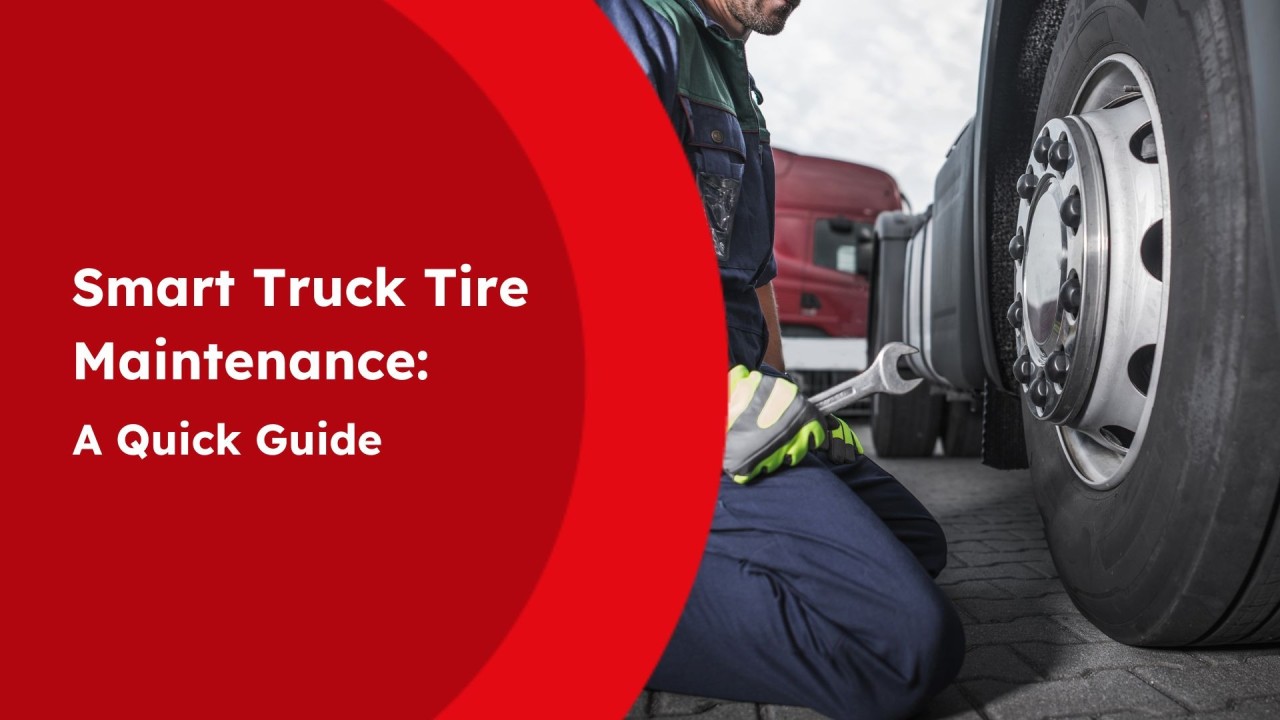
Industrial Tire Maintenance Tips, Industrial equipment depends heavily on durable and reliable tires to operate safely and efficiently. Whether used in construction, mining, warehousing, agriculture, or logistics, industrial tires face harsh working conditions every day. Proper tire care not only improves equipment performance but also reduces downtime, maintenance costs, and safety risks. In this guide, we will explore the most effective industrial tire maintenance tips to help maximize tire lifespan and improve workplace productivity.
Why Industrial Tire Maintenance Matters
Industrial tires are a significant investment for businesses. Neglecting routine maintenance can lead to:
- Premature tire wear
- Reduced fuel efficiency
- Equipment instability
- Increased operational costs
- Workplace accidents
- Unexpected downtime
Regular inspection and maintenance ensure that tires perform at their best while supporting heavy loads and challenging terrain.
1. Check Tire Pressure Regularly
One of the most important industrial tire maintenance tips is monitoring tire pressure consistently. Incorrect tire pressure can cause uneven wear and reduce tire durability.
Risks of Underinflation
- Excessive heat buildup
- Sidewall damage
- Reduced fuel efficiency
- Poor load handling
Risks of Overinflation
- Reduced traction
- Increased risk of punctures
- Uneven center tread wear
- Rougher ride quality
Use a calibrated pressure gauge and follow the manufacturer’s recommended PSI levels for optimal performance.
2. Conduct Daily Visual Inspections
Before operating machinery, inspect industrial tires for visible damage. Daily inspections can help detect problems early before they become serious.
Look for:
- Cuts and cracks
- Embedded debris
- Bulges or sidewall damage
- Uneven tread wear
- Low air pressure
- Exposed cords
Quick inspections can prevent costly repairs and improve workplace safety.
3. Maintain Proper Load Capacity
Overloading equipment is one of the leading causes of tire failure. Every industrial tire has a maximum load rating designed for safe operation.
To avoid damage:
- Never exceed manufacturer load limits
- Distribute weight evenly
- Use the correct tire type for the application
- Train operators on load management
Following these industrial tire maintenance tips helps reduce stress on tires and improves operational efficiency.
4. Rotate Tires When Necessary
Tire rotation promotes even wear and extends tire lifespan. Industrial vehicles often experience uneven wear because of steering patterns, heavy loads, and specific work environments.
Benefits of tire rotation include:
- Improved traction
- Better handling
- Extended tire life
- Reduced replacement costs
Establish a regular tire rotation schedule based on equipment usage and manufacturer recommendations.
5. Keep Tires Clean
Industrial work environments expose tires to dirt, chemicals, oils, and debris. Keeping tires clean helps maintain rubber quality and makes inspections easier.
Cleaning tips:
- Remove stones and debris after shifts
- Wash tires with mild soap and water
- Avoid harsh chemicals that damage rubber
- Inspect wheels and rims during cleaning
Clean tires are easier to maintain and less likely to develop hidden damage.
6. Monitor Tread Wear
Tread depth directly affects traction and stability. Worn-out tread can increase the risk of slipping, especially on wet or uneven surfaces.
Signs of excessive tread wear:
- Reduced grip
- Smooth tread surfaces
- Uneven tread patterns
- Vibration during operation
Replace tires when tread wear reaches unsafe levels to maintain productivity and operator safety.
7. Align Wheels Properly
Wheel misalignment can rapidly wear industrial tires and negatively impact machine performance.
Common signs of poor alignment:
- Uneven tire wear
- Equipment pulling to one side
- Increased fuel consumption
- Difficult steering
Routine alignment checks are among the most valuable industrial tire maintenance tips for extending tire life.
8. Store Tires Correctly
Proper storage is essential for preserving unused industrial tires.
Best storage practices:
- Keep tires in a cool, dry place
- Avoid direct sunlight
- Store away from chemicals and oils
- Keep tires upright if possible
- Maintain proper air pressure during storage
Correct storage prevents cracking, dry rot, and premature aging.
9. Train Equipment Operators
Even the best maintenance program can fail without skilled operators. Proper training helps workers understand how driving habits affect tire wear.
Teach operators to:
- Avoid sudden acceleration and braking
- Reduce sharp turns
- Drive carefully on rough terrain
- Perform pre-shift inspections
Operator awareness plays a major role in successful tire maintenance.
10. Schedule Professional Inspections
Routine professional inspections help identify internal tire damage that may not be visible externally. Experienced technicians can evaluate:
- Tire structure integrity
- Air pressure consistency
- Alignment issues
- Wear patterns
- Rim condition
Professional servicing ensures your industrial tires remain in peak condition.
Common Causes of Industrial Tire Damage
Understanding the causes of tire damage can help businesses avoid expensive replacements.
Frequent causes include:
- Overloading
- Improper inflation
- Poor driving habits
- Exposure to chemicals
- Sharp debris
- Lack of maintenance
Implementing preventive measures based on these industrial tire maintenance tips can significantly reduce tire failures.
Benefits of Proper Industrial Tire Maintenance
Consistent tire care offers many long-term advantages, including:
- Longer tire lifespan
- Lower maintenance costs
- Improved safety
- Increased equipment uptime
- Better fuel efficiency
- Enhanced operational productivity
A proactive maintenance strategy helps companies save money while improving overall equipment reliability.
Final Thoughts
Following the right industrial tire maintenance tips is essential for businesses that rely on heavy machinery and industrial vehicles. Regular inspections, correct tire pressure, proper load handling, and professional servicing can dramatically improve tire performance and lifespan.
By investing time in preventive maintenance, companies can reduce downtime, increase safety, and maximize the value of their industrial tires. Consistent care today leads to lower operating costs and better equipment performance in the future.