English
 Arabic

Loader Tire Tread Patterns Explained, Loader tires play a critical role in the performance, stability, and safety of heavy equipment. Whether you operate wheel loaders in construction, mining, agriculture, or industrial environments, understanding loader tire tread patterns can help improve traction, reduce wear, and increase productivity. Different tread designs are engineered for specific terrains and applications, making tire selection an important decision for equipment owners and operators.
What Are Loader Tire Tread Patterns?
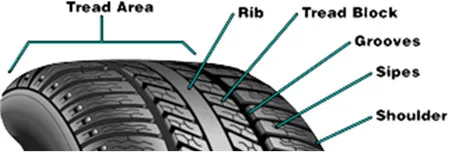
Loader tire tread patterns refer to the design and arrangement of grooves, blocks, and ribs on the surface of a tire. These patterns directly affect traction, self-cleaning ability, heat resistance, fuel efficiency, and durability.
Manufacturers design loader tire treads to match specific operating conditions such as mud, rock, sand, pavement, or loose soil. Selecting the wrong tread pattern can lead to faster tire wear, reduced traction, and increased operational costs.
Common Loader Tire Tread Patterns
1. Rock Pattern Tread
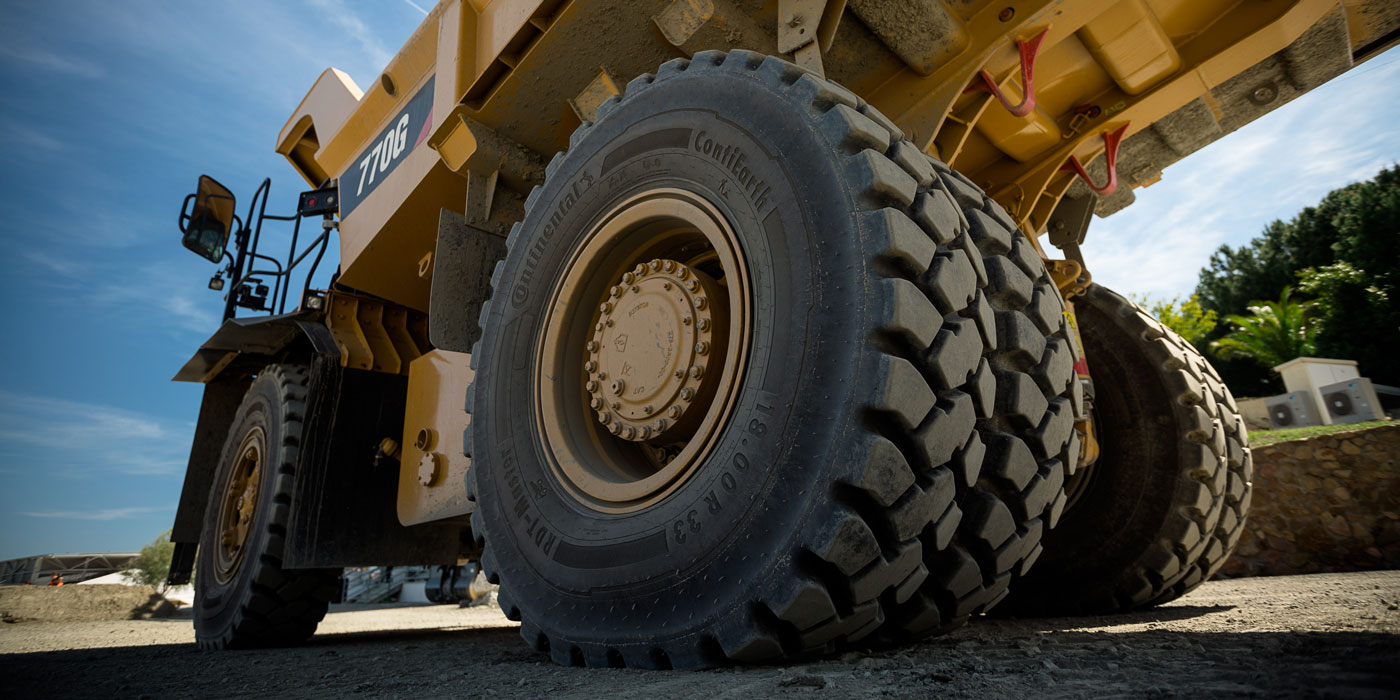
Rock tread patterns are designed for harsh mining and quarry applications. These tires feature deep grooves and thick rubber compounds that resist cuts and punctures from sharp rocks.
Key Features:
- Excellent cut resistance
- Strong traction on rocky surfaces
- Increased durability
- Long service life
Best Applications:
- Mining operations
- Quarry sites
- Demolition work
- Harsh construction environments
Rock pattern tires are ideal for operators working in rough terrain where tire damage is common.
2. Block Pattern Tread
Block tread patterns use large tread blocks arranged across the tire surface. This design provides excellent stability and balanced traction in mixed operating conditions.
Key Features:
- Enhanced stability
- Smooth ride quality
- Good traction on multiple surfaces
- Even wear distribution
Best Applications:
- Construction sites
- Industrial yards
- Material handling
- General-purpose loader operations
Block pattern loader tires are popular because they offer versatility for different work environments.
3. Lug Pattern Tread
Lug tread patterns feature aggressive, deep lugs that maximize traction in soft or muddy terrain. These tires are commonly used in agricultural and off-road conditions.
Key Features:
- Superior grip in mud and loose soil
- Self-cleaning capabilities
- Improved off-road traction
- Better climbing performance
Best Applications:
- Agriculture
- Forestry
- Muddy construction sites
- Wet terrain operations
Lug tread designs help prevent slipping when operating in challenging ground conditions.
4. Smooth Tread Pattern
Smooth tread loader tires have minimal grooves and a larger contact area with the ground. They are often used in indoor or paved environments where traction demands are lower.
Key Features:
- Reduced rolling resistance
- Lower vibration
- Better wear on hard surfaces
- Improved fuel efficiency
Best Applications:
- Warehouses
- Asphalt surfaces
- Recycling facilities
- Indoor industrial operations
Smooth tread tires perform best where surface protection and comfort are priorities.
5. Directional Tread Pattern
Directional tread patterns are engineered to rotate in one direction. These tires provide improved traction and water evacuation for wet operating conditions.
Key Features:
- Better water dispersion
- Improved traction
- Enhanced handling
- Reduced hydroplaning
Best Applications:
- Wet construction sites
- Rain-prone regions
- Mixed terrain operations
Directional treads can improve safety and performance in slippery conditions.
Understanding Loader Tire Tread Depth
Tread depth is another important factor when evaluating loader tire tread patterns explained in heavy equipment operations. Deeper treads generally provide:
- Better traction
- Longer tire life
- Improved puncture resistance
However, deep treads may also generate more heat and rolling resistance. Operators should balance tread depth with operating speed and terrain requirements.
Factors to Consider When Choosing Loader Tire Tread Patterns
Terrain Conditions
Rocky terrain requires durable rock-pattern tires, while muddy conditions benefit from aggressive lug patterns.
Load Capacity
Heavy loads require tread designs that distribute weight evenly and resist excessive wear.
Operating Speed
High-speed operations may require smoother tread patterns to reduce heat buildup.
Fuel Efficiency
Certain tread patterns create less rolling resistance, improving fuel economy.
Maintenance Costs
Choosing the right tread pattern can reduce downtime, extend tire life, and lower replacement costs.
Benefits of Choosing the Correct Loader Tire Tread
Selecting the proper loader tire tread pattern offers several advantages:
- Improved traction and stability
- Increased operator safety
- Reduced tire wear
- Lower fuel consumption
- Better machine productivity
- Reduced maintenance expenses
Proper tire selection also minimizes equipment downtime and boosts operational efficiency.
Loader Tire Maintenance Tips
To maximize the life of loader tires:
- Regularly inspect tread wear
- Maintain proper tire pressure
- Rotate tires when needed
- Avoid overloading equipment
- Remove debris trapped in tread grooves
Routine maintenance ensures consistent performance and helps prevent premature tire failure.
Final Thoughts
Understanding loader tire tread patterns explained in detail helps equipment operators choose the best tires for their working conditions. From aggressive lug designs for muddy terrain to durable rock patterns for mining applications, each tread style serves a unique purpose.
Selecting the correct loader tire tread pattern improves traction, enhances safety, reduces operating costs, and extends tire life. Before purchasing loader tires, carefully evaluate your terrain, workload, and performance requirements to ensure the best results for your equipment.