English
 Arabic

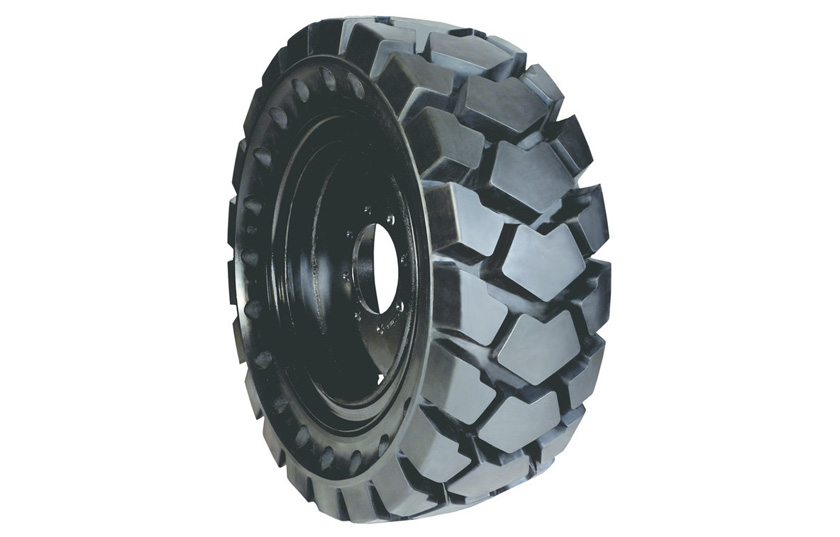
Skid Steer Tire Maintenance, Skid steer loaders are essential machines in construction, landscaping, farming, and industrial work. One of the most important parts of any skid steer is its tires. Proper skid steer tire maintenance not only increases tire lifespan but also improves safety, traction, fuel efficiency, and overall machine performance. Neglecting tire care can lead to costly downtime, uneven wear, and expensive replacements.
In this article, we will cover the best practices for skid steer tire maintenance, common tire problems, and expert tips to help you get the most out of your equipment.
Why Skid Steer Tire Maintenance Matters
Skid steer tires operate under heavy loads and harsh conditions. Whether you work on gravel, mud, asphalt, or demolition sites, tires experience constant stress. Without regular maintenance, tires can quickly become damaged or worn out.
Benefits of proper skid steer tire maintenance include:
- Longer tire lifespan
- Better traction and stability
- Reduced operating costs
- Improved fuel efficiency
- Increased machine safety
- Less downtime and repairs
Routine maintenance also helps identify issues before they become serious problems.
Check Tire Pressure Regularly
One of the most important aspects of skid steer tire maintenance is maintaining proper tire pressure. Incorrect inflation can lead to poor performance and rapid wear.
Problems Caused by Underinflated Tires
- Excessive sidewall flexing
- Increased heat buildup
- Faster tread wear
- Reduced fuel efficiency
- Higher risk of tire failure
Problems Caused by Overinflated Tires
- Reduced traction
- Uneven center tread wear
- Rough ride quality
- Greater risk of impact damage
Always follow the tire manufacturer’s recommended PSI levels. Check tire pressure before starting work each day because temperature changes can affect inflation levels.
Inspect Tires for Damage
Daily visual inspections are critical for effective skid steer tire maintenance. Harsh job sites can easily damage tires without warning.
Look for:
- Cuts and punctures
- Cracks in sidewalls
- Embedded debris
- Uneven tread wear
- Missing chunks of rubber
- Bulges or deformities
Removing sharp debris like nails, metal scraps, or rocks can prevent further tire damage. If severe wear or structural damage is found, replace the tire immediately.
Rotate Tires to Promote Even Wear
Skid steers are known for aggressive turning movements, which often cause uneven tire wear. Front tires may wear faster depending on machine usage and workload distribution.
Rotating tires regularly helps:
- Extend tire life
- Improve handling
- Maintain balanced traction
- Reduce replacement costs
A tire rotation schedule every 100–200 operating hours is commonly recommended for heavy-duty use.
Choose the Right Tires for the Job
Using the correct tires is an important part of skid steer tire maintenance. Different tread patterns and tire types are designed for specific environments.
Common Skid Steer Tire Types
Pneumatic Tires
These air-filled tires provide excellent ride comfort and traction for general construction and landscaping.
Solid Tires
Solid rubber tires resist punctures and are ideal for demolition or recycling environments with sharp debris.
Foam-Filled Tires
These combine the comfort of pneumatic tires with added puncture resistance.
Tread Patterns
- Block tread: Good for hard surfaces and durability
- Bar tread: Better traction in mud and loose soil
- Heavy-duty tread: Ideal for rough industrial conditions
Selecting the correct tire reduces wear and improves performance.
Avoid Excessive Spinning and Skidding
Aggressive driving habits are one of the biggest causes of premature tire wear. Excessive spinning, sudden turns, and skidding can quickly destroy tread.
Operators should:
- Avoid sharp pivot turns on concrete
- Minimize wheel spinning
- Drive smoothly when carrying heavy loads
- Reduce speed on abrasive surfaces
Proper operator training is a key element of skid steer tire maintenance.
Keep Work Areas Clean
Job site conditions directly affect tire lifespan. Sharp debris, metal scraps, broken concrete, and rebar can puncture or damage tires.
To reduce tire damage:
- Remove hazardous debris regularly
- Keep work surfaces as smooth as possible
- Avoid unnecessary travel through sharp materials
A cleaner work environment improves both safety and tire durability.
Monitor Tire Tread Depth
Tread depth affects traction, stability, and handling. Worn-out tires can make the skid steer difficult to control, especially in wet or muddy conditions.
Signs your skid steer tires need replacement:
- Low tread depth
- Reduced traction
- Frequent slipping
- Uneven wear patterns
- Visible cord exposure
Replacing tires before complete failure prevents accidents and costly downtime.
Store Tires Properly
Proper storage is another often-overlooked aspect of skid steer tire maintenance.
When storing spare tires:
- Keep them in a cool, dry location
- Avoid direct sunlight
- Protect from chemicals and oils
- Store away from heat sources
UV rays and extreme temperatures can weaken rubber over time.
Maintain Proper Load Capacity
Overloading your skid steer puts excessive stress on tires and accelerates wear. Always follow the machine’s rated operating capacity.
Overloaded tires may experience:
- Sidewall damage
- Heat buildup
- Reduced stability
- Premature blowouts
Balanced loads help distribute tire pressure evenly and improve machine safety.
Benefits of Preventive Tire Maintenance
Investing time in regular skid steer tire maintenance provides long-term savings and operational benefits.
Lower Operating Costs
Well-maintained tires last longer and reduce replacement frequency.
Improved Productivity
Reliable tires minimize downtime and keep projects running smoothly.
Enhanced Safety
Healthy tires improve machine control and reduce accident risks.
Better Fuel Efficiency
Properly inflated tires reduce rolling resistance and fuel consumption.
Final Thoughts
Proper skid steer tire maintenance is essential for maximizing equipment performance and minimizing operating costs. Regular inspections, correct tire pressure, proper tire selection, and safe operating habits can significantly extend tire life.
Whether you use your skid steer for construction, farming, landscaping, or industrial applications, maintaining your tires should always be a top priority. A proactive maintenance routine helps improve safety, increase productivity, and protect your investment for years to come.