English
 Arabic

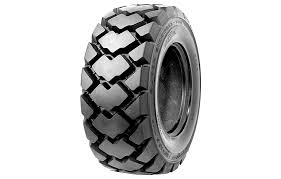
Solid VS Pneumatic Skid Steer Tires, When choosing tires for a skid steer loader, operators often compare solid vs pneumatic skid steer tires to determine which option offers the best durability, performance, and cost-effectiveness. The right tire choice can improve productivity, reduce downtime, and increase safety on the job site. Whether you use your skid steer for construction, landscaping, agriculture, demolition, or warehouse work, understanding the differences between these tire types is essential.
In this guide, we’ll break down the advantages, disadvantages, costs, and ideal applications of solid and pneumatic skid steer tires so you can make the best decision for your equipment.
What Are Pneumatic Skid Steer Tires?
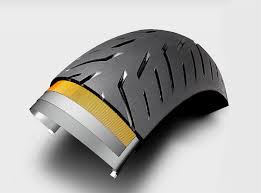
Pneumatic skid steer tires are air-filled tires similar to standard vehicle tires. They are designed with rubber tread wrapped around an inner air chamber, providing flexibility and shock absorption.
Benefits of Pneumatic Tires
1. Better Ride Comfort
Because they contain air, pneumatic tires absorb impacts and vibrations more effectively. Operators experience a smoother ride, especially on rough terrain.
2. Excellent Traction
Pneumatic tires provide strong traction on dirt, mud, gravel, and uneven surfaces. This makes them ideal for outdoor jobsites.
3. Lower Initial Cost
Compared to solid tires, pneumatic skid steer tires are generally less expensive upfront.
4. Reduced Machine Wear
The cushioning effect of air-filled tires reduces stress on skid steer components such as axles and suspension systems.
Drawbacks of Pneumatic Tires
1. Vulnerable to Punctures
Sharp debris like nails, metal scraps, and rocks can puncture pneumatic tires, causing downtime and repair costs.
2. Frequent Maintenance
Air pressure must be checked regularly to maintain performance and prevent uneven wear.
3. Shorter Lifespan in Harsh Conditions
In demolition or recycling environments, pneumatic tires may wear out faster due to constant exposure to abrasive materials.
What Are Solid Skid Steer Tires?
Solid skid steer tires are made entirely from heavy-duty rubber compounds without any air chamber. These tires are engineered for maximum durability and puncture resistance.
Benefits of Solid Tires
1. Puncture-Proof Performance
One of the biggest advantages in the solid vs pneumatic skid steer tires debate is puncture resistance. Solid tires cannot go flat, making them ideal for hazardous worksites.
2. Longer Lifespan
Solid tires typically last much longer than pneumatic tires in demanding environments.
3. Minimal Maintenance
Since there’s no air pressure to monitor, maintenance requirements are significantly reduced.
4. Excellent for Heavy-Duty Applications
Solid tires perform exceptionally well in recycling centers, scrap yards, demolition sites, and industrial facilities.
Drawbacks of Solid Tires
1. Rougher Ride
Without air cushioning, operators may experience more vibration and discomfort during operation.
2. Higher Upfront Cost
Solid skid steer tires are more expensive initially, though their durability can offset long-term expenses.
3. Increased Machine Stress
The rigid structure may transfer more shock to the skid steer loader, potentially increasing wear on machine components over time.
Solid vs Pneumatic Skid Steer Tires: Key Differences
| Feature | Pneumatic Tires | Solid Tires |
|---|---|---|
| Ride Comfort | Smooth | Rougher |
| Puncture Resistance | Low | Excellent |
| Maintenance | Regular air checks | Minimal |
| Initial Cost | Lower | Higher |
| Durability | Moderate | Very High |
| Traction | Excellent on rough terrain | Good on hard surfaces |
| Best Use | Outdoor and uneven terrain | Industrial and debris-heavy jobsites |
Which Tire Type Is Best for Your Jobsite?
Choose Pneumatic Tires If:
- You operate mainly on soft or uneven terrain
- Operator comfort is important
- You need better traction in mud or gravel
- Your worksite has minimal sharp debris
Choose Solid Tires If:
- You work in demolition or recycling
- Downtime from flats is costly
- Your site contains sharp metal or debris
- You prioritize durability over ride comfort
Cost Comparison: Solid vs Pneumatic Skid Steer Tires
While pneumatic tires cost less initially, recurring expenses from flats, repairs, and replacements can add up. Solid tires require a larger upfront investment but often provide better long-term value in demanding environments.
For businesses operating continuously in harsh conditions, solid tires may reduce downtime significantly and improve overall efficiency.
Performance in Different Industries
Construction
Pneumatic tires work well on mixed terrain, while solid tires excel on debris-filled sites.
Landscaping
Pneumatic tires are preferred because they minimize ground disturbance and provide smoother handling.
Demolition
Solid tires are the top choice due to their puncture-proof design.
Agriculture
Pneumatic tires generally perform better on soil and muddy conditions.
Warehousing
Solid tires are commonly used indoors on concrete surfaces because of their durability.
How to Extend Tire Life
Whether you choose solid or pneumatic tires, proper maintenance helps maximize lifespan.
Tips for Pneumatic Tires
- Maintain correct air pressure
- Rotate tires regularly
- Avoid overloading
- Inspect for punctures and tread wear
Tips for Solid Tires
- Avoid excessive heat buildup
- Clean debris from wheel assemblies
- Match tire specifications to machine capacity
Final Verdict on Solid vs Pneumatic Skid Steer Tires
The choice between solid vs pneumatic skid steer tires depends on your operating environment, budget, and workload demands.
- Pneumatic tires are ideal for comfort, traction, and versatile outdoor performance.
- Solid tires are best for durability, puncture resistance, and industrial applications.
If your skid steer frequently encounters sharp debris or harsh working conditions, solid tires may save you money over time despite the higher initial investment. However, for smoother rides and lower upfront costs, pneumatic tires remain a popular option.
By understanding the pros and cons of both tire types, you can select the right solution to improve productivity, reduce downtime, and maximize your skid steer’s performance.