English
 Arabic

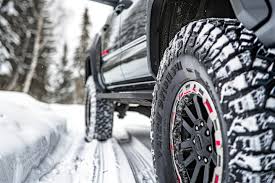
Winter Truck Tire Guide, Winter driving can be challenging for truck owners, fleet operators, and commercial drivers. Snow-covered roads, icy highways, freezing temperatures, and slush can reduce traction and increase the risk of accidents. Choosing the right winter truck tires is one of the most important decisions you can make to improve safety, handling, and performance during the colder months.
This winter truck tire guide explains how winter truck tires work, their benefits, how to choose the right tire, maintenance tips, and the differences between winter, all-season, and all-terrain tires.
Why Winter Truck Tires Matter
Truck tires designed for winter conditions are built specifically to perform in temperatures below 7°C (45°F). Standard tires become harder in cold weather, reducing grip and flexibility. Winter truck tires use softer rubber compounds and deeper tread patterns that maintain traction on snow and ice.
Benefits of winter truck tires include:
- Better traction on snow and icy roads
- Improved braking performance
- Enhanced steering control
- Reduced stopping distance
- Increased driver safety
- Better performance in freezing temperatures
For commercial trucks and heavy-duty vehicles, reliable winter traction is essential for transporting cargo safely and maintaining operational efficiency.
Key Features of Winter Truck Tires
1. Specialized Rubber Compound
Winter truck tires use flexible rubber compounds that remain soft in freezing conditions. This helps the tire maintain contact with the road surface and improves grip.
2. Deep Tread Design
The deeper tread pattern helps channel snow, slush, and water away from the tire surface. This reduces hydroplaning and improves traction.
3. Sipes and Grooves
Small slits called sipes create additional biting edges that grip snow and ice more effectively. These grooves improve braking and cornering performance.
4. Snowflake Symbol Certification
Look for the Three-Peak Mountain Snowflake (3PMSF) symbol on winter truck tires. This certification indicates the tire meets severe snow service requirements.
Types of Winter Truck Tires
Studded Winter Tires
Studded tires contain metal studs embedded in the tread for maximum ice traction. These are useful in extremely icy regions but may be restricted in some areas due to road wear.
Studless Winter Tires
Studless tires rely on advanced tread compounds and siping technology to provide grip without metal studs. They offer quieter rides and are suitable for most winter driving conditions.
Commercial Winter Truck Tires
Heavy-duty winter tires are designed for semi-trucks, delivery vehicles, and commercial fleets. They provide durability, load capacity, and dependable winter performance.
How to Choose the Right Winter Truck Tire
Consider Your Climate
If you drive in areas with heavy snowfall and icy roads, dedicated winter truck tires are the best option. For milder winters, all-weather tires may be sufficient.
Know Your Truck’s Requirements
Check your truck’s recommended tire size, load rating, and speed rating. Choosing the correct specifications ensures proper handling and safety.
Evaluate Tread Patterns
Aggressive tread patterns provide better snow traction, while highway-oriented winter tires offer smoother rides and lower road noise.
Think About Load Capacity
Commercial trucks and heavy-duty pickups require tires capable of handling heavy loads in winter conditions.
Compare Durability
Long-lasting winter tires can reduce replacement costs and downtime for commercial fleets.
Winter Truck Tire Maintenance Tips
Monitor Tire Pressure
Cold temperatures reduce tire pressure. Check tire pressure regularly to maintain optimal performance and fuel efficiency.
Inspect Tread Depth
Adequate tread depth is essential for winter traction. Replace tires that show excessive wear.
Rotate Tires Frequently
Regular tire rotation promotes even wear and extends tire life.
Avoid Overloading
Overloaded trucks put additional stress on tires and reduce handling performance.
Store Tires Properly
When not in use, store winter tires in a cool, dry place away from direct sunlight.
Winter Tires vs All-Season Tires
| Feature | Winter Truck Tires | All-Season Tires |
|---|---|---|
| Cold Weather Grip | Excellent | Moderate |
| Snow Performance | Superior | Limited |
| Ice Traction | High | Lower |
| Warm Weather Use | Not Ideal | Suitable |
| Tread Design | Aggressive | Balanced |
All-season tires provide convenience year-round, but dedicated winter truck tires offer significantly better performance in severe winter conditions.
Best Practices for Winter Truck Driving
Even with high-quality winter truck tires, safe driving habits remain essential.
- Reduce speed during snowstorms
- Increase following distance
- Brake gently to avoid skidding
- Avoid sudden steering movements
- Keep emergency supplies in your truck
- Inspect tires before long trips
Signs You Need New Winter Truck Tires
Replace your tires if you notice:
- Uneven tread wear
- Cracks or sidewall damage
- Reduced traction
- Frequent loss of tire pressure
- Excessive vibration while driving
Old or worn winter tires may no longer provide the grip needed for safe winter travel.
Fuel Efficiency and Winter Tires
Winter truck tires can slightly reduce fuel economy due to increased rolling resistance. However, the added safety and improved traction often outweigh the minor increase in fuel consumption.
Maintaining proper tire inflation and choosing quality tires can help improve efficiency.
Conclusion
A reliable winter truck tire guide can help drivers make informed decisions for safer cold-weather driving. Winter truck tires provide superior traction, better braking performance, and improved control on snow and ice-covered roads.
Whether you operate a commercial fleet, heavy-duty pickup, or long-haul truck, investing in the right winter truck tires is essential for safety, reliability, and performance during winter months.
By choosing the correct tires, maintaining them properly, and practicing safe winter driving habits, truck owners can confidently handle even the harshest winter road conditions.