English
 Arabic

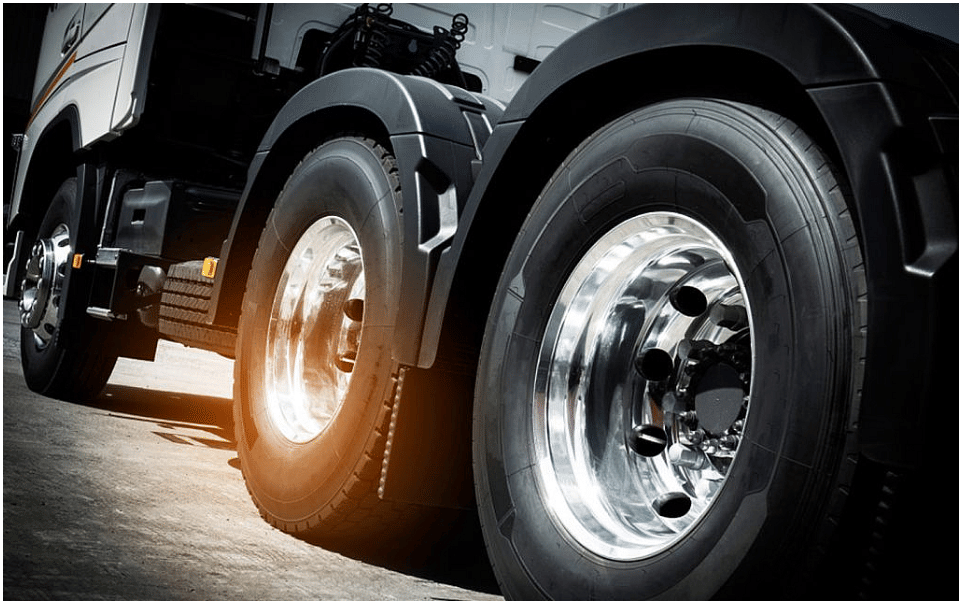
Commercial Tire Supplier Guide, The commercial transportation industry depends heavily on durable, high-performance tires. Whether you manage a trucking fleet, construction company, agricultural operation, or logistics business, selecting the right commercial tire supplier can directly impact operational efficiency, safety, and long-term costs. This commercial tire supplier guide explains everything businesses should know before choosing a supplier.
Understanding Commercial Tires
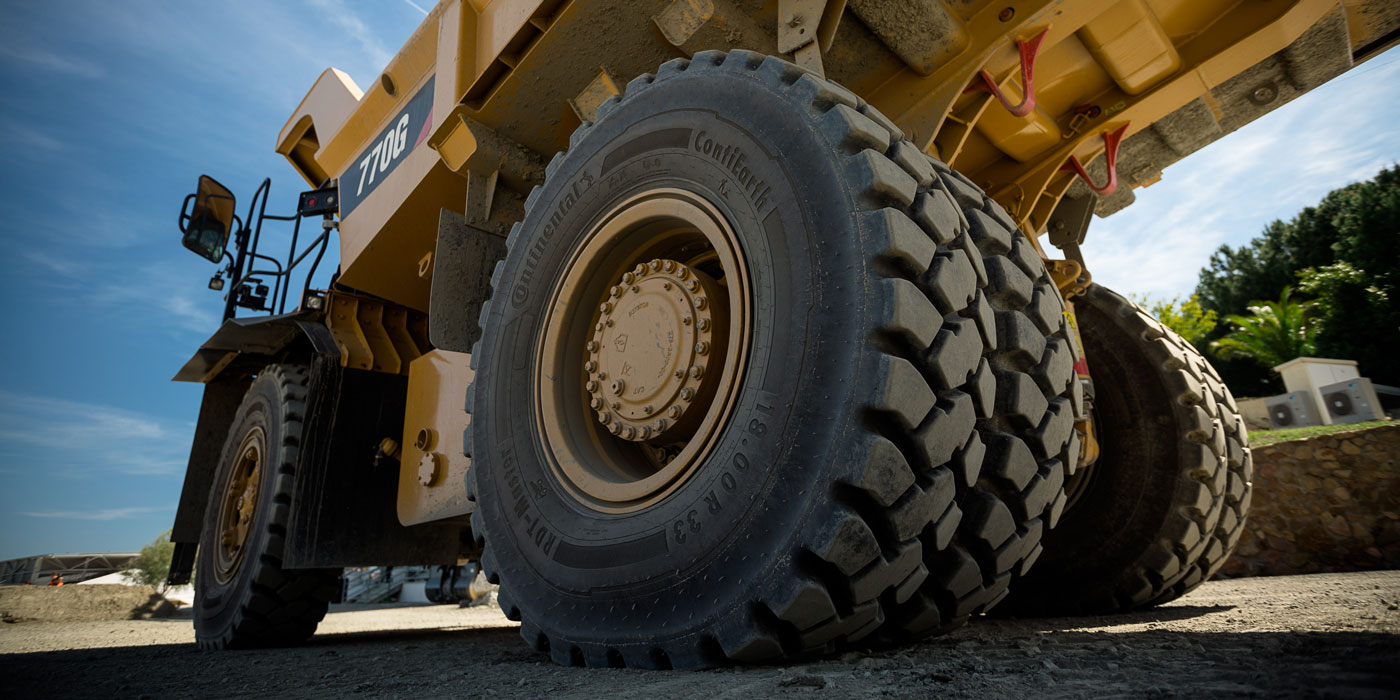
Commercial tires are designed for heavy-duty vehicles and equipment that operate under demanding conditions. Unlike passenger vehicle tires, commercial tires are built to handle larger loads, extended mileage, rough terrain, and continuous use.
Common commercial tire categories include:
- Truck tires
- Bus tires
- Industrial equipment tires
- Agricultural tires
- Construction and mining tires
- Off-the-road (OTR) tires
Each type serves a specific purpose and requires specialized support from an experienced supplier.
Why Choosing the Right Commercial Tire Supplier Matters
A reliable supplier provides more than just tires. They offer expertise, inventory management, maintenance support, and cost-saving solutions. Poor tire quality or inconsistent supply can lead to:
- Vehicle downtime
- Increased fuel consumption
- Frequent tire replacements
- Safety hazards
- Higher operational costs
An experienced commercial tire supplier helps businesses maintain productivity while reducing maintenance expenses.
Key Factors to Consider in a Commercial Tire Supplier Guide
1. Product Range and Availability
A good supplier should carry a wide range of commercial tire brands and sizes. Businesses often operate multiple vehicle types, so suppliers must provide solutions for different applications.
Look for suppliers offering:
- Steer tires
- Drive tires
- Trailer tires
- All-position tires
- Retread tires
- Specialty tires for industrial use
Consistent stock availability is critical for avoiding delays.
2. Tire Quality and Brand Reputation
Quality directly affects tire lifespan and performance. Reputable commercial tire suppliers partner with trusted manufacturers known for durability and reliability.
High-quality tires generally provide:
- Better fuel efficiency
- Improved traction
- Longer tread life
- Reduced maintenance costs
- Enhanced safety
Before purchasing, review customer feedback and industry reputation.
3. Fleet Management Support
Modern suppliers often provide fleet tire management services. These services help businesses monitor tire health and optimize replacement schedules.
Fleet management support may include:
- Tire inspections
- Pressure monitoring
- Rotation schedules
- Retread programs
- Emergency roadside assistance
This level of support can significantly reduce unexpected downtime.
4. Pricing and Long-Term Value
Price matters, but the cheapest option is not always the best. This commercial tire supplier guide recommends focusing on total ownership cost rather than initial purchase price.
Consider:
- Tire lifespan
- Fuel savings
- Warranty coverage
- Maintenance services
- Retread options
Investing in premium commercial tires often leads to better long-term savings.
5. Delivery and Distribution Network
Fast delivery is essential for businesses that rely on operational uptime. Choose suppliers with strong logistics capabilities and multiple distribution centers.
Reliable delivery ensures:
- Faster replacement times
- Reduced equipment downtime
- Better inventory planning
- Emergency support availability
Suppliers with nationwide or regional coverage usually offer better service consistency.
Benefits of Working with a Professional Commercial Tire Supplier
Partnering with an experienced supplier offers many advantages, including:
Improved Operational Efficiency
Proper tire recommendations improve vehicle performance and reduce fuel consumption.
Enhanced Safety Standards
Commercial tires directly affect braking, traction, and stability. Professional suppliers help businesses meet safety requirements.
Cost Reduction
Preventive maintenance programs and quality products minimize costly breakdowns and tire failures.
Expert Technical Support
Commercial tire experts can recommend the best tire types based on terrain, climate, and load conditions.
Common Industries That Need Commercial Tire Suppliers
Many industries depend on reliable tire supply partnerships, such as:
- Transportation and logistics
- Construction
- Mining
- Agriculture
- Waste management
- Public transportation
- Manufacturing
Each sector has unique tire requirements that specialized suppliers can address effectively.
Signs of a Reliable Commercial Tire Supplier
When evaluating suppliers, watch for these positive indicators:
- Strong industry experience
- Positive customer reviews
- Comprehensive warranties
- Technical expertise
- 24/7 support services
- Competitive pricing
- Large inventory selection
Reliable suppliers focus on long-term customer relationships rather than one-time sales.
The Future of Commercial Tire Supply
The commercial tire industry continues evolving with new technologies and sustainability initiatives. Modern suppliers now offer:
- Smart tire monitoring systems
- Eco-friendly tire solutions
- Retread sustainability programs
- Fuel-efficient tire technologies
- Digital fleet tracking tools
Businesses that partner with innovative suppliers gain access to advanced solutions that improve efficiency and reduce environmental impact.
Final Thoughts
This commercial tire supplier guide highlights the importance of selecting a dependable partner that understands your operational needs. The right supplier provides quality products, technical support, inventory reliability, and long-term value.
By carefully evaluating product quality, service capabilities, pricing, and support options, businesses can build stronger fleet operations while reducing overall tire management costs. A trusted commercial tire supplier becomes an essential part of maintaining safety, productivity, and profitability in any commercial operation.