English
 Arabic

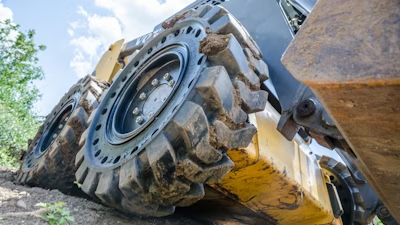
Construction Skid Steer Tire Guide, Skid steer loaders are among the most versatile machines used on construction sites today. From grading and excavation to material handling and demolition, these compact machines can perform demanding tasks in tight spaces. However, one critical component often overlooked is the tire system. Choosing the right skid steer tires can significantly improve machine performance, productivity, safety, and operating costs.
This construction skid steer tire guide explains the different tire types, tread patterns, sizing options, maintenance practices, and buying considerations to help contractors and equipment operators make informed decisions.
Why Skid Steer Tires Matter in Construction
Skid steer tires endure harsh conditions every day. Construction sites commonly expose tires to:
- Sharp debris
- Concrete surfaces
- Mud and loose soil
- Heavy loads
- Frequent turning and pivoting
- Abrasive terrain
Unlike standard vehicle tires, skid steer tires are specifically designed to handle intense lateral stress caused by zero-radius turning. The correct tire selection improves:
- Traction
- Fuel efficiency
- Operator comfort
- Stability
- Machine lifespan
- Jobsite safety
Using the wrong tire can lead to excessive wear, downtime, and expensive replacements.
Main Types of Skid Steer Tires
Pneumatic Tires
Pneumatic tires are air-filled and provide excellent ride comfort and shock absorption. They are commonly used on general construction sites where terrain varies.
Advantages
- Better cushioning
- Improved traction on uneven surfaces
- Lower initial cost
- Comfortable ride for operators
Disadvantages
- Vulnerable to punctures
- Higher maintenance requirements
- Downtime due to flats
These tires work well for landscaping, light construction, and mixed terrain applications.
Solid Skid Steer Tires
Solid tires are made entirely of rubber and contain no air. They are ideal for demolition sites and environments with sharp debris.
Advantages
- Puncture-proof
- Long-lasting
- Minimal maintenance
- Excellent for recycling and demolition work
Disadvantages
- Higher upfront cost
- Rougher ride quality
- Increased machine vibration
Construction companies operating in high-risk environments often prefer solid tires for durability.
Foam-Filled Tires
Foam-filled tires combine the benefits of pneumatic and solid tires. They are pneumatic tires filled with polyurethane foam instead of air.
Advantages
- Resistant to punctures
- Better cushioning than solid tires
- Enhanced load support
Disadvantages
- Heavier than air-filled tires
- More expensive
- Difficult to repair
These tires are suitable for heavy-duty construction applications requiring durability and operator comfort.
Understanding Skid Steer Tire Tread Patterns
Selecting the correct tread pattern is just as important as choosing the tire type.
Lug Tread
Lug tread tires provide aggressive traction in muddy or loose terrain.
Best For
- Dirt
- Mud
- Off-road construction
- Wet conditions
These are common on excavation and earthmoving projects.
Block Tread
Block tread designs offer balanced traction and smooth operation on hard surfaces.
Best For
- Asphalt
- Concrete
- Paved construction sites
They also reduce surface damage compared to aggressive lug patterns.
Heavy-Duty Tread
Heavy-duty tread tires feature reinforced sidewalls and deeper tread depth for maximum durability.
Best For
- Demolition
- Scrap yards
- Industrial construction
These tires resist cuts, tears, and abrasion in severe environments.
Common Skid Steer Tire Sizes
Understanding tire sizing helps ensure proper machine compatibility and performance.
Some common skid steer tire sizes include:
| Tire Size | Common Applications |
|---|---|
| 10-16.5 | Small skid steers |
| 12-16.5 | Medium-duty construction |
| 14-17.5 | Heavy-duty jobs |
| 15-19.5 | Large skid steer loaders |
Always consult your machine manufacturer’s specifications before changing tire sizes.
How to Choose the Right Construction Skid Steer Tires
Consider Jobsite Conditions
Different jobsites require different tire features.
Soft Terrain
Choose aggressive lug treads for better grip.
Hard Surfaces
Use block tread tires to minimize wear and vibration.
Demolition Areas
Solid or foam-filled tires offer maximum puncture resistance.
Evaluate Load Capacity
Construction skid steers often carry heavy loads. Overloading tires can lead to premature failure.
Choose tires with sufficient load ratings to support:
- Bucket loads
- Attachments
- Material transport
Assess Durability Needs
For high-hour operations, premium tires may offer lower long-term operating costs despite higher upfront pricing.
Look for:
- Reinforced sidewalls
- Cut-resistant compounds
- Deep tread depth
Balance Cost and Performance
Budget tires may reduce initial expenses but often wear faster under harsh construction conditions. Premium construction skid steer tires usually provide:
- Longer lifespan
- Better traction
- Reduced downtime
- Improved fuel efficiency
Tips for Extending Tire Life
Proper maintenance can dramatically increase tire longevity.
Maintain Correct Tire Pressure
Incorrect pressure causes:
- Uneven wear
- Reduced traction
- Increased fuel consumption
Check pressure regularly according to manufacturer recommendations.
Rotate Tires Frequently
Front tires on skid steers typically wear faster because they handle most turning forces.
Regular rotation helps:
- Balance wear
- Extend service life
- Improve performance
Avoid Excessive Spinning
Aggressive spinning damages tread and increases heat buildup.
Operators should:
- Use smooth turning techniques
- Avoid unnecessary wheel spin
- Reduce sudden acceleration
Inspect Tires Daily
Routine inspections help identify:
- Cuts
- Sidewall damage
- Embedded debris
- Uneven wear patterns
Early detection prevents costly failures.
Radial vs Bias Skid Steer Tires
Radial Tires
Radial construction provides:
- Better ride comfort
- Improved traction
- Longer tread life
These are excellent for long operating hours on mixed terrain.
Bias Tires
Bias-ply tires feature:
- Strong sidewalls
- Lower cost
- Better resistance to impacts
They are commonly used in rugged construction environments.
Seasonal Tire Considerations
Weather conditions affect skid steer tire performance.
Winter Conditions
Use tires with enhanced traction for snow and ice.
Wet Conditions
Choose self-cleaning tread designs that resist mud buildup.
Hot Weather
Heat-resistant compounds reduce excessive wear on paved surfaces.
Signs It’s Time to Replace Skid Steer Tires
Replace tires when you notice:
- Severe tread wear
- Frequent air loss
- Cracks in sidewalls
- Reduced traction
- Excessive vibration
Ignoring worn tires can compromise safety and machine efficiency.
Final Thoughts
Choosing the right tires is essential for maximizing skid steer performance on construction sites. The ideal tire depends on terrain, workload, operating conditions, and budget. Whether you choose pneumatic, solid, or foam-filled options, investing in high-quality construction skid steer tires can reduce downtime, improve productivity, and lower long-term maintenance costs.
By following this construction skid steer tire guide, contractors and equipment operators can make smarter purchasing decisions and keep their skid steer loaders performing at peak efficiency throughout demanding construction projects.