English
 Arabic

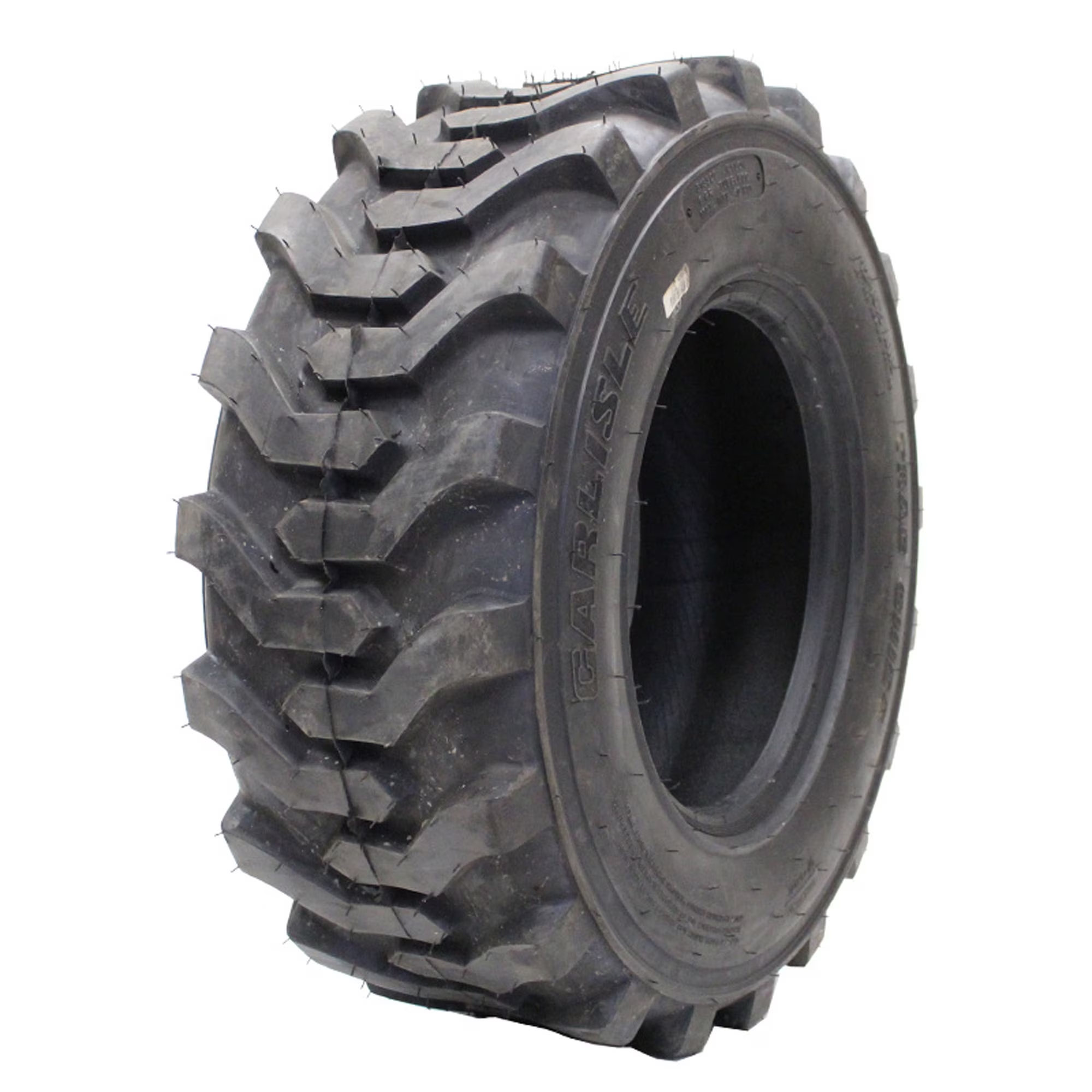
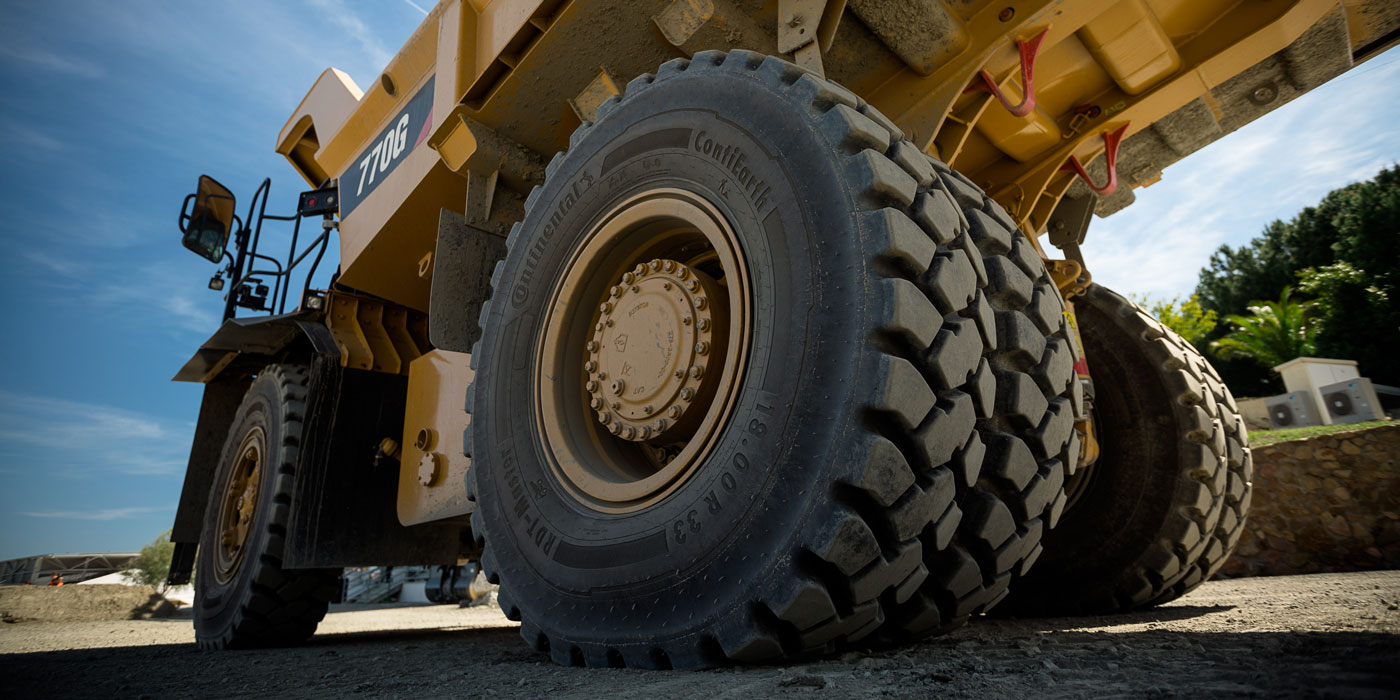
Heavy Duty Industrial Tires, In demanding industries such as construction, mining, agriculture, logistics, and material handling, equipment performance depends heavily on tire quality. Heavy duty industrial tires are specifically designed to withstand extreme loads, harsh environments, and continuous operation. These tires play a crucial role in improving productivity, reducing downtime, and enhancing workplace safety.
From forklifts and loaders to cranes and mining trucks, industrial machinery requires tires that can handle rugged terrain, heavy weights, and long operational hours without failure. Choosing the right industrial tire can significantly impact efficiency and operating costs.
What Are Heavy Duty Industrial Tires?
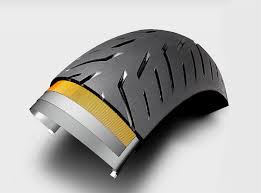
Heavy duty industrial tires are specialized tires engineered for industrial vehicles and heavy machinery. Unlike regular vehicle tires, these are built with reinforced materials, deeper tread patterns, and superior load-bearing capacity to endure severe working conditions.
They are commonly used on:
- Forklifts
- Skid steers
- Excavators
- Loaders
- Cranes
- Mining trucks
- Port handling equipment
- Agricultural machinery
These tires are designed to provide durability, traction, and stability while operating on rough surfaces such as gravel, mud, concrete, and uneven terrain.
Types of Heavy Duty Industrial Tires
1. Pneumatic Tires
Pneumatic tires are air-filled and offer excellent shock absorption and ride comfort. They are ideal for outdoor applications where surfaces may be uneven or rough.
Benefits:
- Better traction
- Smooth driving experience
- High load capacity
- Suitable for rough terrain
2. Solid Industrial Tires
Solid tires are made entirely of rubber compounds and do not require air. They are puncture-resistant and ideal for environments with sharp debris or hazardous materials.
Advantages:
- Zero puncture risk
- Low maintenance
- Longer lifespan
- Excellent stability
3. Polyurethane Tires
These tires are commonly used in warehouse and indoor operations. They provide smooth movement and are highly resistant to wear.
Best suited for:
- Electric forklifts
- Indoor logistics
- Warehouse applications
4. Bias and Radial Tires
- Bias tires provide strong sidewalls and durability for rugged operations.
- Radial tires offer better fuel efficiency, traction, and heat dissipation.
Selecting between the two depends on the application and working conditions.
Key Features of Heavy Duty Industrial Tires
Superior Load Capacity
One of the primary features of heavy duty industrial tires is their ability to support massive loads without deforming or losing performance.
Enhanced Durability
Industrial environments are harsh. These tires are manufactured with reinforced rubber compounds to resist cuts, abrasions, and impacts.
Heat Resistance
Continuous operation can generate excessive heat. Quality industrial tires are designed to dissipate heat efficiently, reducing the risk of tire failure.
Strong Traction
Deep tread designs provide reliable grip on slippery, muddy, or uneven surfaces, improving operational safety.
Long Service Life
Heavy-duty tires are built for extended usage, reducing replacement frequency and lowering long-term operational costs.
Applications of Heavy Duty Industrial Tires
Construction Industry
Construction sites require tires capable of handling rocks, mud, debris, and heavy loads. Equipment like loaders and excavators depend on durable industrial tires for efficient performance.
Mining Operations
Mining environments are extremely demanding. Heavy duty tires provide the strength and durability needed for transporting materials over rough terrain.
Warehousing and Logistics
Forklifts and material handling equipment rely on industrial tires for smooth movement, load stability, and operational efficiency.
Agriculture
Agricultural machinery often operates in muddy or uneven fields. Industrial tires improve traction and reduce soil damage.
Ports and Shipping Yards
Container handlers and port equipment require robust tires capable of carrying heavy cargo while maintaining stability and safety.
Benefits of Investing in Quality Heavy Duty Industrial Tires
Reduced Downtime
Durable tires minimize unexpected failures and equipment stoppages, improving productivity.
Improved Safety
High-quality industrial tires enhance stability, traction, and braking performance, reducing workplace accidents.
Lower Maintenance Costs
Strong construction and puncture resistance reduce repair and maintenance expenses.
Better Fuel Efficiency
Properly designed tires reduce rolling resistance, helping equipment consume less fuel.
Increased Productivity
Reliable tire performance allows machinery to operate efficiently even under demanding conditions.
How to Choose the Right Heavy Duty Industrial Tires
When selecting heavy duty industrial tires, consider the following factors:
Load Requirements
Choose tires with the appropriate load capacity for your equipment and operational demands.
Terrain Conditions
Different environments require different tread designs and tire compounds.
Operating Hours
For continuous operations, prioritize heat-resistant and durable tires.
Tire Type
Select between pneumatic, solid, or polyurethane tires depending on your application.
Budget and Longevity
While premium tires may cost more initially, they often provide better long-term value through extended service life.
Maintenance Tips for Industrial Tires
Proper maintenance extends tire lifespan and improves performance.
Regular Inspections
Check for cuts, cracks, uneven wear, and embedded debris.
Maintain Proper Tire Pressure
For pneumatic tires, maintaining correct air pressure is essential for safety and efficiency.
Rotate Tires
Tire rotation helps ensure even wear and longer lifespan.
Avoid Overloading
Exceeding load limits can cause premature tire damage.
Clean Tires Frequently
Removing dirt and debris prevents tread deterioration.
Future Trends in Heavy Duty Industrial Tires
The industrial tire industry continues to evolve with new technologies and sustainable materials.
Smart Tire Technology
Modern industrial tires may include sensors that monitor pressure, temperature, and wear in real time.
Eco-Friendly Materials
Manufacturers are increasingly using sustainable rubber compounds to reduce environmental impact.
Improved Durability
Advancements in engineering are producing tires with longer service life and better resistance to extreme conditions.
Conclusion
Heavy duty industrial tires are essential for industries that rely on heavy machinery and demanding operations. Their durability, load capacity, and performance directly impact productivity, safety, and operational efficiency.
Whether used in construction, mining, logistics, or agriculture, investing in high-quality industrial tires can help businesses reduce downtime, lower maintenance costs, and improve overall equipment performance. By selecting the right tires and maintaining them properly, companies can maximize efficiency and achieve long-term operational success.