English
 Arabic

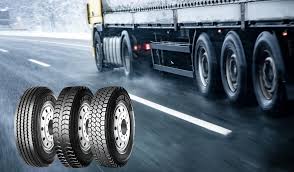
Highway Truck Tire Performance Guide, Highway truck tires play a critical role in the transportation industry. From long-haul freight operations to regional delivery services, tire performance directly affects fuel efficiency, safety, handling, maintenance costs, and overall fleet productivity. Choosing the right highway truck tire can help drivers reduce downtime, improve comfort, and extend tire life while operating under demanding road conditions.
This comprehensive highway truck tire performance guide explains the essential factors that influence tire performance and how truck owners and fleet managers can make smarter tire decisions.
Understanding Highway Truck Tires
Highway truck tires are specifically engineered for long-distance driving on paved roads and highways. Unlike off-road or mixed-service tires, highway tires focus on:
- Fuel efficiency
- Smooth ride quality
- Reduced rolling resistance
- Long tread life
- Stable handling at high speeds
These tires are commonly used on:
- Semi-trucks
- Freight carriers
- Commercial delivery vehicles
- Logistics fleets
- Long-haul transportation trucks
Key Factors Affecting Highway Truck Tire Performance
1. Tread Design
The tread pattern significantly impacts traction, wear resistance, and fuel economy. Highway truck tires typically feature ribbed tread patterns designed for low rolling resistance and even wear.
Benefits of ribbed highway tread designs include:
- Improved steering stability
- Better fuel economy
- Reduced road noise
- Enhanced tread longevity
Deeper tread patterns may provide more traction, while shallower patterns generally improve fuel efficiency.
2. Rolling Resistance
Rolling resistance refers to the energy required to keep the tire moving. Lower rolling resistance helps improve fuel economy, which is essential for long-haul trucking operations.
Benefits of low rolling resistance tires include:
- Lower fuel consumption
- Reduced carbon emissions
- Improved operational savings
- Better highway efficiency
Modern highway truck tires use advanced rubber compounds and tread technology to minimize rolling resistance without sacrificing durability.
3. Tire Durability
Durability is one of the most important considerations for commercial truck operators. Highway tires must withstand:
- Heavy loads
- Continuous highway speeds
- Heat buildup
- Long mileage intervals
High-quality highway truck tires are constructed using reinforced casings and durable sidewalls to resist punctures, irregular wear, and road hazards.
4. Load Capacity
Every truck tire has a specified load rating. Selecting the correct load capacity ensures safe operation and prevents premature tire failure.
Overloading can lead to:
- Excessive heat generation
- Sidewall damage
- Blowouts
- Reduced tire lifespan
Fleet managers should always verify tire load ratings based on axle configurations and cargo requirements.
5. Wet Traction Performance
Highway driving often involves changing weather conditions. Good wet traction is essential for maintaining control during rain or slippery road conditions.
Features that improve wet traction include:
- Advanced siping technology
- Specialized tread compounds
- Water evacuation channels
Strong wet grip performance reduces braking distances and improves overall road safety.
Fuel Efficiency and Tire Performance
Fuel costs represent one of the largest operating expenses for trucking companies. Tire selection can significantly influence fuel consumption.
To maximize fuel efficiency:
- Maintain proper tire inflation
- Use low rolling resistance tires
- Perform regular wheel alignments
- Rotate tires according to manufacturer guidelines
Proper tire maintenance alone can improve fuel economy by several percentage points over the life of the tire.
Importance of Proper Tire Inflation
Incorrect tire pressure is a major cause of tire wear and reduced performance.
Underinflated Tires Can Cause:
- Increased rolling resistance
- Poor fuel economy
- Excessive heat buildup
- Uneven tread wear
Overinflated Tires Can Cause:
- Reduced traction
- Harsh ride quality
- Center tread wear
- Increased risk of impact damage
Regular tire pressure inspections are essential for maintaining optimal highway truck tire performance.
Tire Maintenance Best Practices
Proper maintenance extends tire life and improves road safety.
Recommended Maintenance Practices
Regular Inspections
Check for:
- Cuts and punctures
- Uneven tread wear
- Sidewall damage
- Embedded debris
Tire Rotation
Rotating tires helps distribute wear evenly across all positions.
Wheel Alignment
Misalignment can cause rapid irregular tire wear and steering problems.
Balancing
Proper balancing reduces vibration and improves ride comfort.
Tread Depth Monitoring
Monitoring tread depth ensures safe traction and legal compliance.
Signs of Poor Tire Performance
Truck operators should watch for warning signs that indicate tire issues:
- Excessive vibration
- Uneven tread wear
- Reduced fuel economy
- Frequent air pressure loss
- Cracking or sidewall bulges
- Poor wet traction
Addressing problems early helps prevent costly roadside failures and downtime.
Choosing the Right Highway Truck Tire
When selecting highway truck tires, consider the following:
Driving Conditions
Evaluate:
- Average road conditions
- Climate
- Terrain
- Mileage requirements
Fleet Priorities
Determine whether your focus is:
- Fuel efficiency
- Long tread life
- Comfort
- Traction
- Overall operating cost
Tire Brand Reputation
Reliable tire manufacturers often provide:
- Better warranties
- Consistent performance
- Advanced engineering
- Strong dealer support networks
Retreading and Tire Lifecycle Management
Many commercial truck tires are designed for retreading. Retreading allows fleets to reuse quality tire casings while lowering operating costs.
Advantages of retreading include:
- Lower replacement costs
- Reduced environmental impact
- Extended tire lifecycle
- Improved fleet cost management
Proper casing maintenance is critical for successful retreading operations.
Seasonal Considerations for Highway Tires
Weather conditions can affect tire performance throughout the year.
Summer Conditions
High temperatures increase heat buildup and tread wear.
Winter Conditions
Cold temperatures reduce rubber flexibility and traction.
Truck operators in colder regions may require specialized winter highway tires for improved performance and safety.
Technology Advancements in Highway Truck Tires
Modern tire technology continues to improve commercial trucking efficiency.
Recent innovations include:
- Smart tire pressure monitoring systems
- Advanced silica compounds
- Fuel-saving tread designs
- Enhanced casing durability
- Predictive tire maintenance systems
These technologies help fleets reduce downtime and optimize performance.
Final Thoughts
A well-informed tire strategy is essential for maximizing highway truck tire performance. From selecting the correct tread design to maintaining proper inflation and alignment, every aspect of tire management contributes to safety, fuel efficiency, and operational profitability.
Investing in high-quality highway truck tires and following proactive maintenance practices can significantly reduce operating costs while improving reliability on long-haul routes. Whether you manage a large fleet or operate an independent truck, understanding tire performance fundamentals helps ensure smoother, safer, and more cost-effective highway transportation.