English
 Arabic

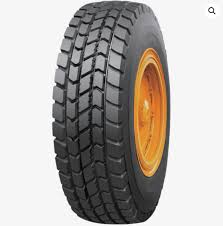
OTR Tire Buying Guide, When it comes to heavy-duty machinery, selecting the right tires can directly impact productivity, fuel efficiency, safety, and operating costs. This comprehensive OTR tire buying guide will help contractors, mining operators, construction companies, and equipment owners understand how to choose the best Off-The-Road (OTR) tires for their machines and job sites.
What Are OTR Tires?
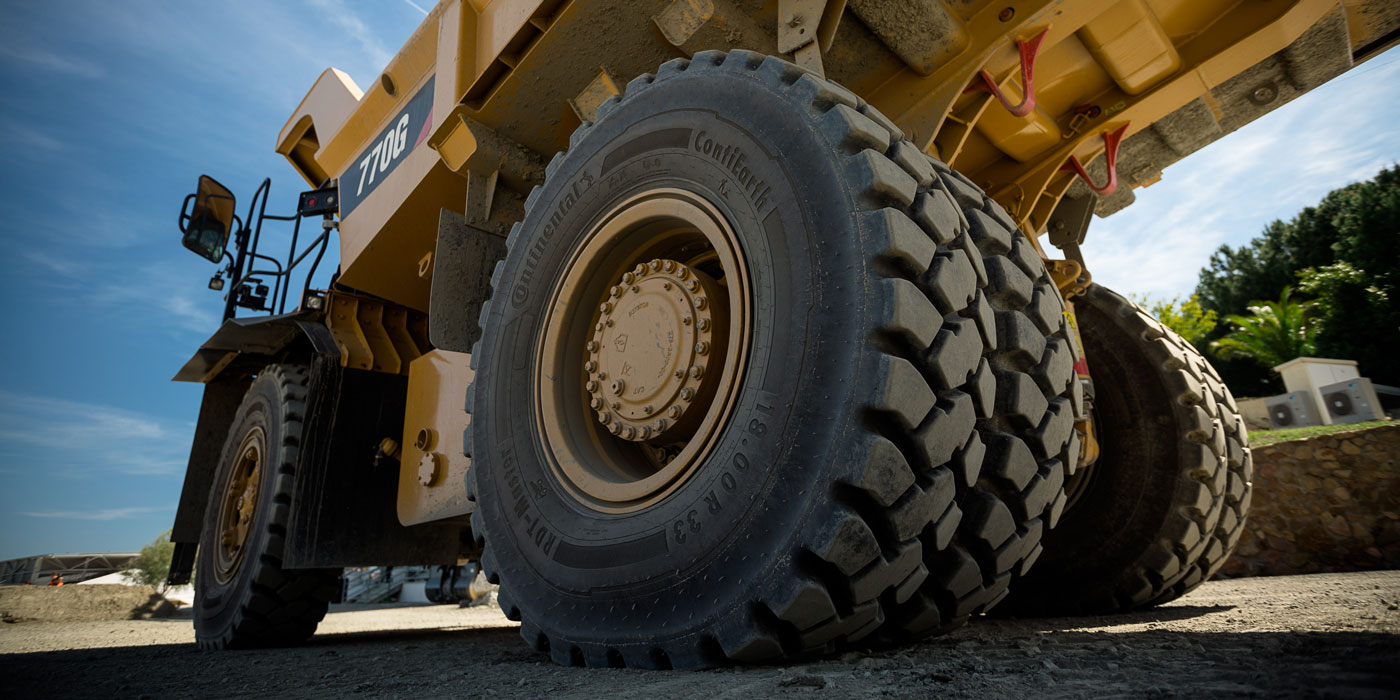
OTR tires, also known as Off-The-Road tires, are specially designed for heavy equipment operating on rough terrain. These tires are commonly used on:
- Loaders
- Graders
- Dump trucks
- Excavators
- Scrapers
- Mining vehicles
- Industrial equipment
OTR tires are built to withstand harsh environments such as mines, quarries, construction zones, and agricultural fields.
Why Choosing the Right OTR Tire Matters
Using the correct OTR tire offers several advantages:
- Improved traction on rough surfaces
- Better fuel efficiency
- Reduced downtime
- Longer tire lifespan
- Enhanced machine performance
- Lower maintenance costs
Choosing the wrong tire can lead to excessive wear, sidewall damage, poor handling, and costly replacements.
Types of OTR Tires
Understanding tire categories is essential in any OTR tire buying guide.
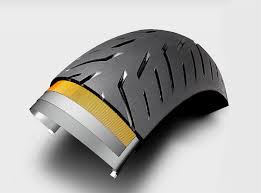
1. Radial OTR Tires
Radial tires have steel belts running perpendicular to the tread.
Benefits:
- Better fuel economy
- Smoother ride
- Improved heat dissipation
- Longer tread life
Best For:
- Long-distance hauling
- Mining operations
- High-speed applications
2. Bias OTR Tires
Bias tires feature overlapping nylon plies.
Benefits:
- Stronger sidewalls
- Better puncture resistance
- Lower upfront cost
Best For:
- Rocky terrain
- Heavy impact environments
- Construction sites
Understanding OTR Tire Sizes
OTR tire sizes may look confusing at first. For example:
23.5R25
Here’s what it means:
- 23.5 = Tire width in inches
- R = Radial construction
- 25 = Rim diameter in inches
Proper sizing is critical for machine stability and performance.
Tread Patterns Explained
Different tread patterns are designed for specific surfaces and applications.
Rock Tread
Ideal for mining and quarry operations where puncture resistance is essential.
Block Tread
Provides maximum traction for loaders and graders.
Rib Tread
Best suited for smooth surfaces and transport applications.
Traction Tread
Excellent for muddy or loose terrain.
OTR Tire Applications
A good OTR tire buying guide should always consider equipment type and application.
| Equipment Type | Recommended Tire Type |
|---|---|
| Wheel Loaders | L3 or L5 Tires |
| Motor Graders | G2 or G3 Tires |
| Dump Trucks | E3 or E4 Tires |
| Skid Steers | Heavy-duty pneumatic tires |
| Excavators | Specialized earthmover tires |
Tire Ratings and Classifications
OTR tires are classified using industry-standard codes.
Common Ratings:
- L = Loader
- E = Earthmover
- G = Grader
- C = Compactor
Popular Tire Depths:
- L2 = Standard traction
- L3 = General-purpose
- L4 = Deep tread
- L5 = Extra deep tread for severe conditions
Higher tread depth generally means better wear resistance but may increase heat generation.
Factors to Consider Before Buying OTR Tires
1. Terrain Conditions
Different surfaces require different tire compounds and tread designs.
- Rocky terrain → Cut-resistant tires
- Muddy ground → Aggressive traction treads
- Sand → Wide flotation tires
2. Load Capacity
Always check your machine’s operating weight and maximum load requirements.
3. Heat Resistance
High-speed or long-distance operations generate more heat, making radial tires a better choice.
4. Tire Durability
For harsh environments, prioritize reinforced sidewalls and puncture-resistant compounds.
5. Budget and Total Cost of Ownership
Cheaper tires may cost more in the long run due to shorter lifespan and higher downtime.
New vs Retread OTR Tires
New Tires
- Maximum lifespan
- Better reliability
- Higher initial cost
Retread Tires
- Lower cost
- Eco-friendly option
- Suitable for lighter-duty applications
Signs You Need New OTR Tires
Replace your tires if you notice:
- Deep cracks
- Uneven wear
- Exposed cords
- Frequent punctures
- Reduced traction
- Sidewall bulges
Ignoring these signs can increase safety risks and equipment downtime.
Tips for Extending OTR Tire Life
Maintain Proper Inflation
Underinflation and overinflation both reduce tire lifespan.
Rotate Tires Regularly
Even wear improves longevity.
Avoid Overloading
Excessive weight causes heat buildup and structural damage.
Inspect Tires Frequently
Regular inspections help detect cuts, punctures, and abnormal wear early.
Train Operators
Proper driving techniques reduce tire stress and damage.
Best OTR Tire Brands
Several manufacturers are known for high-quality OTR tires:
- Michelin
- Bridgestone
- Goodyear
- BKT
- Yokohama
Each brand offers different strengths in durability, fuel efficiency, and application-specific performance.
Final Thoughts
Choosing the right tire is one of the most important decisions for heavy equipment owners and operators. This OTR tire buying guide highlights the key factors you should evaluate, including tire type, tread pattern, terrain, durability, and cost efficiency.
Investing in the correct OTR tires can improve machine productivity, reduce maintenance expenses, and maximize operational uptime. Before purchasing, always assess your working conditions and consult tire specifications carefully to ensure the best performance for your equipment.