English
 Arabic

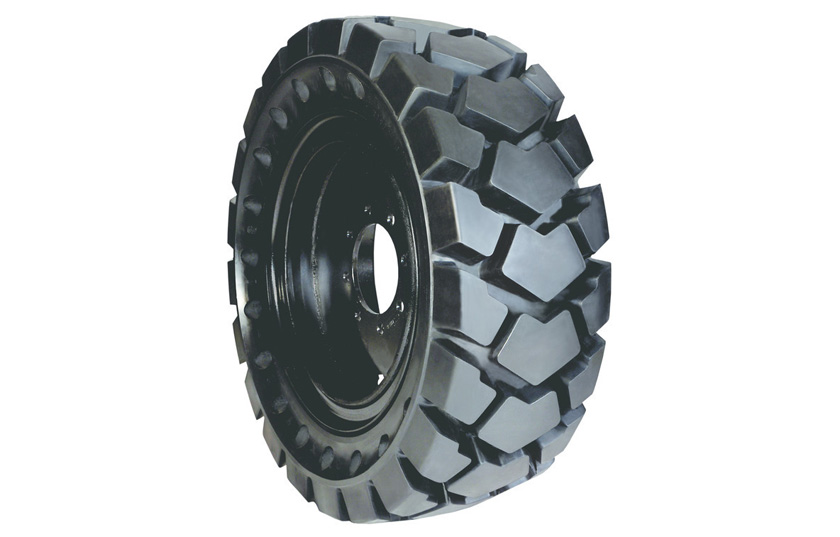
Skid Steer Tire Pressure Guide, Skid steer loaders are among the most versatile machines used in construction, landscaping, agriculture, and material handling. However, one commonly overlooked maintenance factor is tire pressure. Following a proper skid steer tire pressure guide helps improve machine stability, extend tire life, reduce fuel costs, and increase job-site safety.
In this article, you’ll learn the importance of skid steer tire pressure, recommended PSI ranges, how to check tire pressure correctly, and common mistakes operators should avoid.
Why Tire Pressure Matters on a Skid Steer
Correct tire inflation directly affects how your skid steer performs. Tires that are overinflated or underinflated can create serious operational problems.
Benefits of Proper Tire Pressure
- Improved traction and grip
- Better lifting stability
- Reduced tire wear
- Lower fuel consumption
- Increased operator safety
- Smoother ride quality
- Reduced stress on axles and suspension components
Using a reliable skid steer tire pressure guide ensures your machine operates efficiently in different terrain conditions.
Recommended Skid Steer Tire Pressure
The ideal PSI depends on several factors, including tire size, load capacity, terrain, and manufacturer recommendations.
Common PSI Ranges
| Tire Type | Recommended PSI |
|---|---|
| Standard pneumatic tires | 35–50 PSI |
| Heavy-duty construction tires | 45–65 PSI |
| Solid cushion tires | No air required |
| Foam-filled tires | No PSI maintenance |
| Snow or soft-terrain applications | Slightly lower PSI for traction |
Always check the tire sidewall and the machine operator’s manual before adjusting pressure.
How to Check Skid Steer Tire Pressure
Proper inspection should be part of your daily maintenance routine.
Step-by-Step Process
- Park the skid steer on level ground.
- Allow tires to cool before checking PSI.
- Use a high-quality tire pressure gauge.
- Remove the valve cap carefully.
- Compare readings with manufacturer recommendations.
- Add or release air as needed.
- Replace valve caps securely.
Checking tire pressure regularly is one of the easiest ways to prevent costly downtime.
Signs of Incorrect Tire Pressure
Underinflated Tires
- Excessive sidewall flexing
- Faster tread wear on edges
- Poor fuel efficiency
- Reduced load capacity
- Increased risk of tire failure
Overinflated Tires
- Harsh ride quality
- Reduced traction
- Center tread wear
- Higher risk of punctures
- Increased bouncing on rough surfaces
A proper skid steer tire pressure guide helps operators quickly identify these issues before they become expensive repairs.
Tire Pressure for Different Job Site Conditions
Mud and Soft Ground
Lower PSI slightly to improve tire footprint and traction.
Rocky Terrain
Maintain higher PSI to protect sidewalls and reduce puncture risks.
Snow and Ice
Slightly reduced pressure can increase surface grip and stability.
Heavy Load Operations
Increase PSI within manufacturer limits to support extra weight safely.
Seasonal Tire Pressure Changes
Temperature changes affect air pressure significantly.
- Cold weather reduces PSI
- Hot weather increases PSI
For every 10°F temperature change, tire pressure may change by approximately 1–2 PSI. This makes seasonal inspections especially important.
Common Tire Pressure Mistakes
Many operators unknowingly damage tires through poor maintenance habits.
Avoid These Errors
- Ignoring daily pressure checks
- Using mismatched PSI across tires
- Overloading the skid steer
- Inflating beyond sidewall limits
- Failing to inspect for leaks or damage
Consistent maintenance extends tire lifespan and improves machine reliability.
Pneumatic vs Foam-Filled Tires
Pneumatic Tires
- Adjustable pressure
- Better ride comfort
- Lower replacement cost
- Require regular maintenance
Foam-Filled Tires
- Puncture resistant
- No air pressure maintenance
- Heavier operation
- Higher upfront cost
Your work environment will determine which option is best for your skid steer.
Best Practices for Skid Steer Tire Maintenance
To get maximum performance from your tires:
- Check PSI daily
- Rotate tires regularly
- Inspect tread wear patterns
- Remove debris from tires
- Avoid spinning excessively on hard surfaces
- Replace damaged tires promptly
Following a professional skid steer tire pressure guide reduces repair costs and improves overall machine productivity.
Final Thoughts
Maintaining correct tire pressure is essential for safe and efficient skid steer operation. Whether you work in construction, farming, landscaping, or demolition, proper tire inflation improves traction, handling, and tire longevity.
By following this skid steer tire pressure guide, operators can reduce downtime, improve safety, and extend the life of both tires and equipment. Regular inspections and manufacturer-approved PSI settings are the key to keeping your skid steer running at peak performance.