English
 Arabic

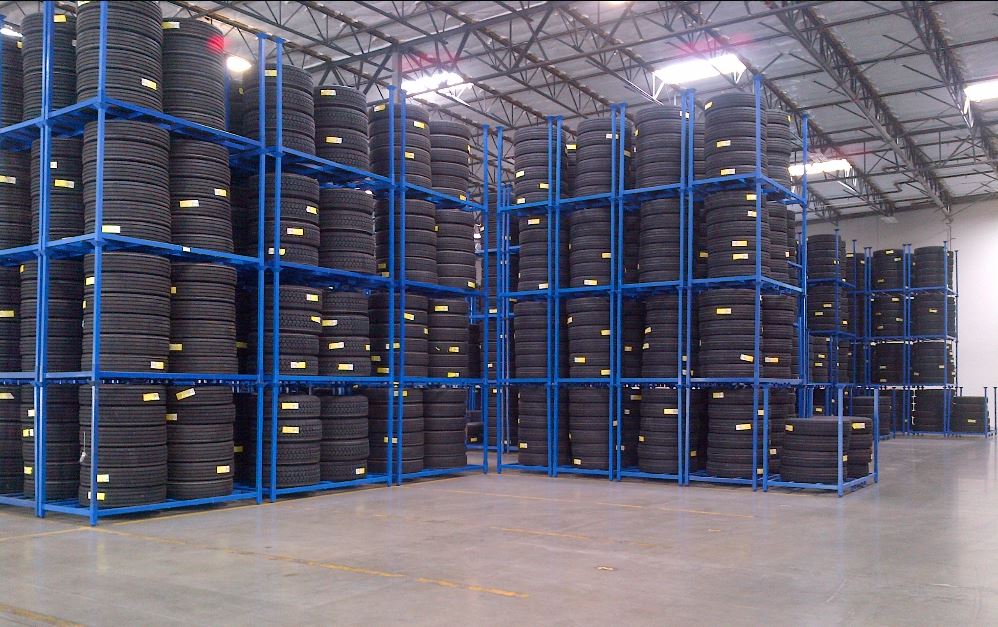
Truck Tire Storage Tips, Proper truck tire storage is essential for maintaining tire performance, safety, and durability. Whether you operate a commercial fleet, own a pickup truck, or store seasonal tires, following the right truck tire storage tips can help prevent cracking, flat spots, dry rot, and premature wear.
In this guide, you’ll learn the best practices for storing truck tires safely and efficiently.
Why Proper Truck Tire Storage Matters
Truck tires are a major investment. Poor storage conditions can damage the rubber compound and weaken the tire structure over time. Exposure to sunlight, moisture, heat, and chemicals can shorten the lifespan of even high-quality tires.
By using proper storage methods, you can:
- Extend tire lifespan
- Maintain tire performance
- Prevent sidewall cracking
- Reduce replacement costs
- Improve safety on the road
Clean Tires Before Storage
One of the most important truck tire storage tips is to clean your tires thoroughly before storing them.
How to Clean Truck Tires
- Wash off dirt, mud, brake dust, and road salt
- Use mild soap and water
- Avoid petroleum-based tire shine products
- Allow tires to dry completely before storage
Cleaning prevents contaminants from degrading the rubber during long-term storage.
Store Tires in a Cool and Dry Environment
Temperature and humidity greatly affect tire condition.
Ideal Tire Storage Conditions
- Cool temperatures between 10°C and 25°C
- Dry and well-ventilated space
- Away from direct sunlight
- Away from rain or standing water
A garage, warehouse, or climate-controlled storage room is ideal for truck tire storage.
Keep Tires Away from Sunlight
Ultraviolet (UV) rays can cause rubber to dry out and crack. Sunlight exposure is one of the leading causes of tire aging.
Best Practice
- Store tires indoors whenever possible
- Use opaque tire covers if indoor storage is unavailable
- Avoid placing tires near windows
Protecting tires from UV exposure helps maintain rubber flexibility and strength.
Avoid Contact with Chemicals
Truck tires should never be stored near:
- Fuel
- Oil
- Solvents
- Grease
- Batteries
- Ozone-producing equipment
Electric motors, generators, and welding equipment can produce ozone, which accelerates tire deterioration.
Store Tires Vertically or Horizontally Correctly
The way you position tires during storage matters.
Tires Mounted on Rims
- Store horizontally stacked
- Or hang them on tire racks
Tires Without Rims
- Store vertically upright
- Rotate them occasionally to avoid deformation
Avoid stacking unmounted tires for long periods, as this can distort their shape.
Maintain Proper Tire Pressure
If storing mounted truck tires, inflate them to the recommended pressure before storage.
Low pressure can create flat spots and stress the tire casing. Check pressure periodically during long-term storage.
Use Tire Storage Bags
Tire storage bags can help reduce exposure to air and moisture.
Benefits of Tire Bags
- Protect against dust and debris
- Reduce oxidation
- Block UV light
- Help maintain rubber quality
Use airtight plastic bags designed specifically for tire storage for the best results.
Keep Tires Off the Ground
Concrete floors can sometimes retain moisture that affects tires over time.
Storage Tip
Place tires on:
- Wooden pallets
- Cardboard sheets
- Rubber mats
- Tire racks
This adds an extra layer of protection against moisture and temperature changes.
Rotate Stored Tires Periodically
If tires are stored for several months, rotate or reposition them occasionally.
This helps:
- Prevent flat spots
- Maintain shape
- Reduce stress on sidewalls
Monthly inspection is recommended for long-term truck tire storage.
Label Your Tires
If you remove multiple truck tires at once, label them before storage.
For example:
- Front Left
- Front Right
- Rear Left
- Rear Right
This makes seasonal reinstallation easier and helps maintain proper tire rotation patterns.
Inspect Tires Before Reuse
Before reinstalling stored truck tires, inspect them carefully for:
- Cracks
- Bulges
- Dry rot
- Uneven wear
- Embedded objects
If you notice significant damage, consult a tire professional before using them again.
Common Mistakes to Avoid
Here are some common truck tire storage mistakes:
- Leaving tires outdoors uncovered
- Storing near heat sources
- Keeping tires in damp areas
- Using harsh cleaning chemicals
- Stacking unmounted tires improperly
Avoiding these mistakes can significantly improve tire longevity.
Final Thoughts
Following these truck tire storage tips can help protect your investment and keep your tires in excellent condition for years. Proper cleaning, temperature control, UV protection, and correct positioning are all essential for safe and effective tire storage.
Whether you manage a fleet of commercial trucks or simply store seasonal tires, taking the time to store tires correctly will improve performance, safety, and overall value.