English
 Arabic

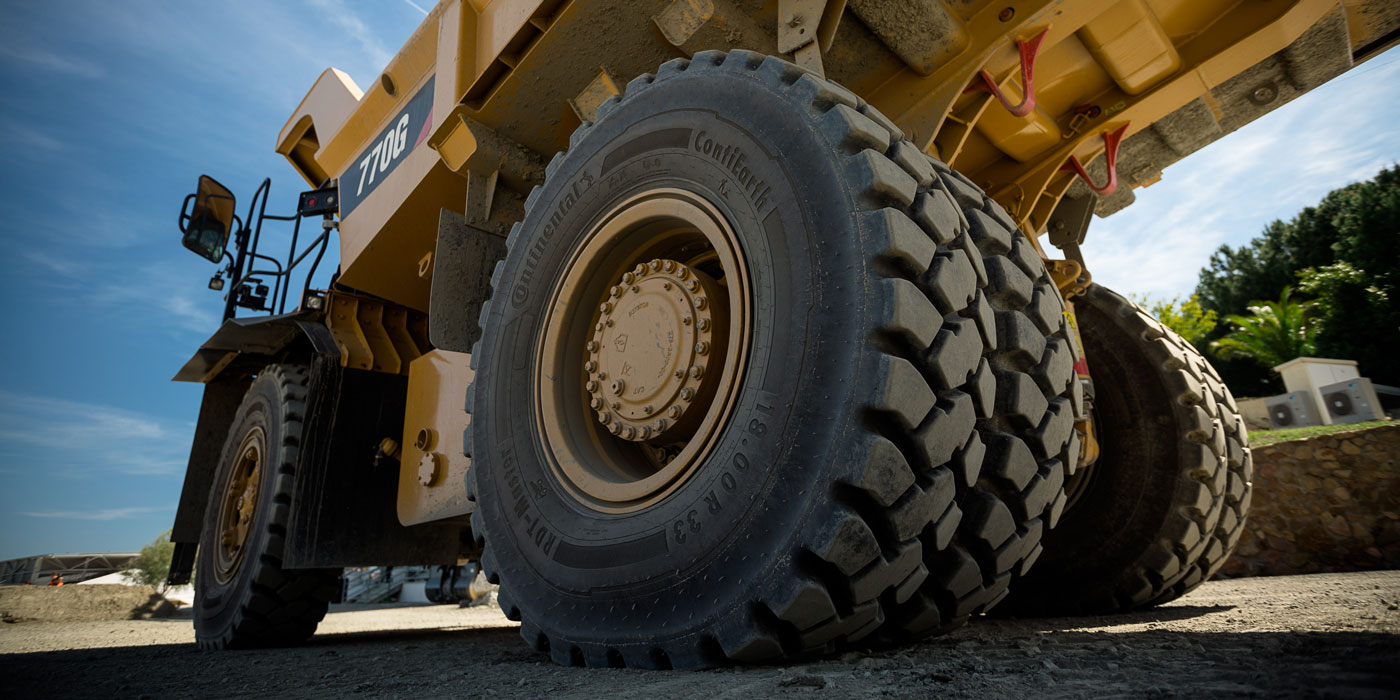
Best Commercial Tire Solutions For Heavy Equipment, Heavy equipment plays a critical role in construction, mining, agriculture, transportation, and industrial operations. Whether it is loaders, excavators, dump trucks, graders, or cranes, the performance of these machines heavily depends on one essential component — the tires. Choosing the best commercial tire solutions for heavy equipment can improve productivity, reduce downtime, increase safety, and lower long-term operating costs.
In today’s competitive industries, businesses need durable, reliable, and cost-effective tire solutions that can handle extreme workloads and challenging terrains. This article explores the importance of commercial tires, key features to consider, top tire solutions, maintenance practices, and how to select the right heavy equipment tires for your operations.
Why Commercial Tire Solutions Matter for Heavy Equipment
Heavy equipment tires are designed to support enormous loads while operating in harsh environments. Unlike regular vehicle tires, commercial heavy equipment tires must withstand:
- Extreme weights
- Rough terrain
- Continuous operation
- Harsh weather conditions
- Sharp debris and rocks
- High heat generation
The right tire solution directly affects:
- Fuel efficiency
- Equipment stability
- Operator safety
- Traction performance
- Machine lifespan
- Operational productivity
Investing in the best commercial tire solutions for heavy equipment helps businesses avoid unexpected breakdowns and costly tire replacements.
Types of Heavy Equipment Tires
Different industries require specialized tire types. Understanding these categories is essential for selecting the best tire solution.
1. Radial Tires
Radial tires are widely used in modern heavy equipment because they provide:
- Better fuel efficiency
- Improved traction
- Longer tread life
- Enhanced ride comfort
- Reduced heat buildup
These tires are ideal for construction sites, mining operations, and long-haul industrial applications.
2. Bias Ply Tires
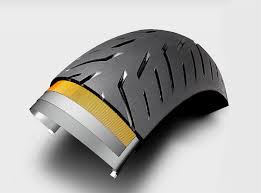
Bias tires are built with overlapping layers, making them extremely tough and resistant to sidewall damage.
Benefits include:
- Excellent durability
- Better resistance against cuts
- Lower upfront cost
- Strong sidewall protection
They are commonly used in rough off-road conditions.
3. Solid Tires
Solid tires eliminate puncture risks completely because they contain no air.
Advantages include:
- Zero flats
- Minimal maintenance
- High durability
- Ideal for industrial environments
These tires are often used for forklifts and warehouse machinery.
4. OTR (Off-The-Road) Tires
OTR tires are specifically engineered for mining, quarry, and large construction equipment.
Key features include:
- Deep tread patterns
- Heavy load capacity
- Superior traction
- Enhanced cut resistance
OTR tires are considered among the best commercial tire solutions for heavy equipment operating in extreme conditions.
Key Features of the Best Commercial Tire Solutions for Heavy Equipment
Selecting the right tire involves evaluating several performance factors.
Durability
Heavy-duty operations require tires that can survive harsh environments for extended periods. High-quality compounds and reinforced structures improve tire longevity.
Load Capacity
Commercial equipment often carries massive loads. Tire solutions must match the machine’s operating weight and pressure requirements.
Traction
Proper traction improves machine stability and reduces slippage on muddy, rocky, or uneven surfaces.
Heat Resistance
Heat buildup can cause tire failure during long operations. Advanced tire technologies help reduce overheating.
Cut and Puncture Resistance
Construction and mining sites often contain sharp materials that can damage tires. Reinforced tread compounds help prevent cuts and punctures.
Fuel Efficiency
Modern commercial tires are engineered to reduce rolling resistance, improving fuel economy and lowering operational expenses.
Industries That Need Heavy Equipment Tire Solutions
Many industries depend on high-performance tire systems.
Construction Industry
Construction equipment requires strong tires capable of handling:
- Dirt
- Gravel
- Concrete surfaces
- Uneven terrain
Reliable tire solutions increase machine uptime and project efficiency.
Mining Industry
Mining operations demand some of the toughest tire solutions available. Tires must endure:
- Sharp rocks
- Heavy loads
- Long operating hours
- Extreme temperatures
Agriculture
Agricultural machinery needs tires that reduce soil compaction while maintaining strong traction in wet or muddy fields.
Logistics and Material Handling
Forklifts and warehouse vehicles depend on solid or industrial pneumatic tires for stability and durability.
Port and Industrial Operations
Heavy-duty port equipment requires commercial tires that support continuous movement and heavy cargo handling.
Benefits of Using Premium Commercial Tire Solutions
Choosing premium tire solutions offers several operational advantages.
Reduced Downtime
High-quality tires are less likely to fail unexpectedly, minimizing equipment downtime.
Lower Maintenance Costs
Durable tires require fewer repairs and replacements, reducing overall maintenance expenses.
Increased Productivity
Reliable traction and stability improve machine performance and operational efficiency.
Improved Safety
Proper tires reduce the risk of accidents caused by blowouts or poor traction.
Longer Equipment Lifespan
Well-matched tire solutions reduce strain on machinery components, helping equipment last longer.
Tire Maintenance Tips for Heavy Equipment
Even the best commercial tire solutions for heavy equipment require proper maintenance to maximize performance.
Regular Tire Inspections
Check for:
- Cuts
- Cracks
- Uneven wear
- Embedded debris
- Sidewall damage
Routine inspections help identify issues early.
Maintain Proper Tire Pressure
Incorrect tire pressure can cause:
- Excessive wear
- Reduced fuel efficiency
- Poor handling
- Increased failure risk
Always follow manufacturer pressure recommendations.
Rotate Tires
Tire rotation promotes even tread wear and extends tire lifespan.
Monitor Load Limits
Overloading equipment places excessive stress on tires and increases failure risks.
Proper Storage
Store unused tires in cool, dry conditions away from direct sunlight and chemicals.
Innovations in Commercial Tire Technology
Modern tire manufacturers continue to develop advanced technologies for heavy equipment applications.
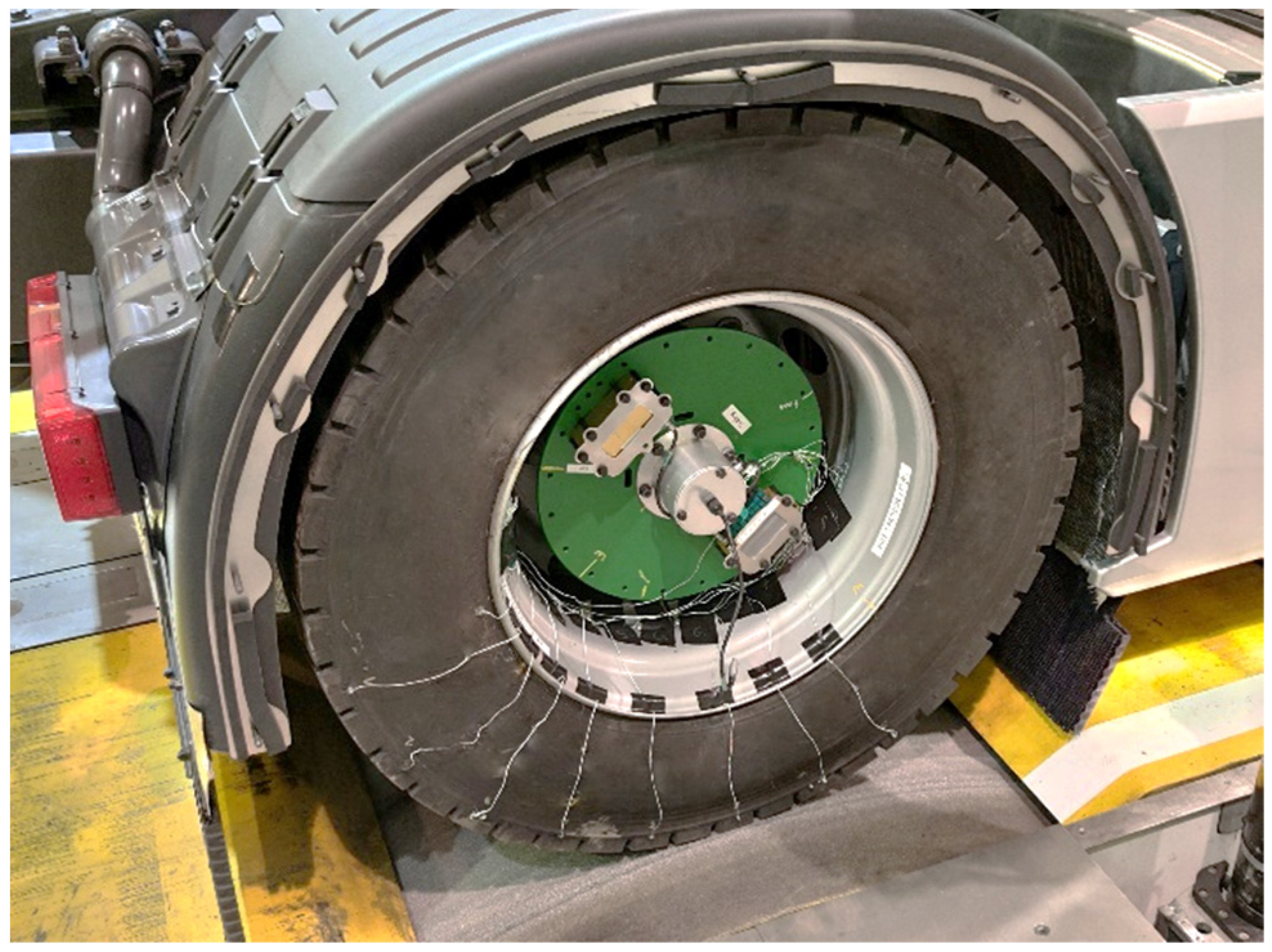
Smart Tire Monitoring Systems
Sensors monitor:
- Tire pressure
- Temperature
- Wear levels
This helps operators prevent failures before they occur.
Eco-Friendly Tire Materials
Manufacturers now use sustainable materials and low-rolling-resistance designs to reduce environmental impact.
Self-Sealing Tires
Some commercial tire solutions feature self-sealing compounds that automatically repair small punctures.
Advanced Tread Designs
Modern tread patterns improve:
- Mud evacuation
- Traction
- Fuel efficiency
- Surface grip
Choosing the Right Tire Supplier
Finding the right supplier is just as important as selecting the tire itself.
Look for suppliers that offer:
- Industry expertise
- Tire installation services
- Maintenance support
- Emergency tire assistance
- Competitive pricing
- Warranty programs
A trusted supplier can help businesses choose the best commercial tire solutions for heavy equipment based on specific operational needs.
Factors to Consider Before Buying Heavy Equipment Tires
Before purchasing commercial tires, evaluate:
Terrain Type
Different terrains require different tread patterns and tire constructions.
Operating Conditions
Consider temperature, weather, and work intensity.
Equipment Type
Each machine has unique tire size and performance requirements.
Budget
While premium tires may cost more initially, they often provide better long-term value.
Retread Options
Retreadable tires can significantly reduce replacement costs.
Conclusion
Selecting the best commercial tire solutions for heavy equipment is essential for maximizing productivity, improving safety, and reducing operational costs. From construction sites to mining operations, the right tire solution ensures equipment performs efficiently under demanding conditions.
Businesses should prioritize durability, traction, load capacity, and maintenance support when choosing heavy equipment tires. By investing in high-quality commercial tire solutions and following proper maintenance practices, companies can extend tire lifespan, minimize downtime, and achieve better operational performance.
As technology continues to evolve, modern commercial tires are becoming smarter, more durable, and more fuel-efficient than ever before. Choosing the right tire partner and implementing preventive maintenance strategies will help businesses stay competitive and maintain reliable heavy equipment performance for years to come.