English
 Arabic

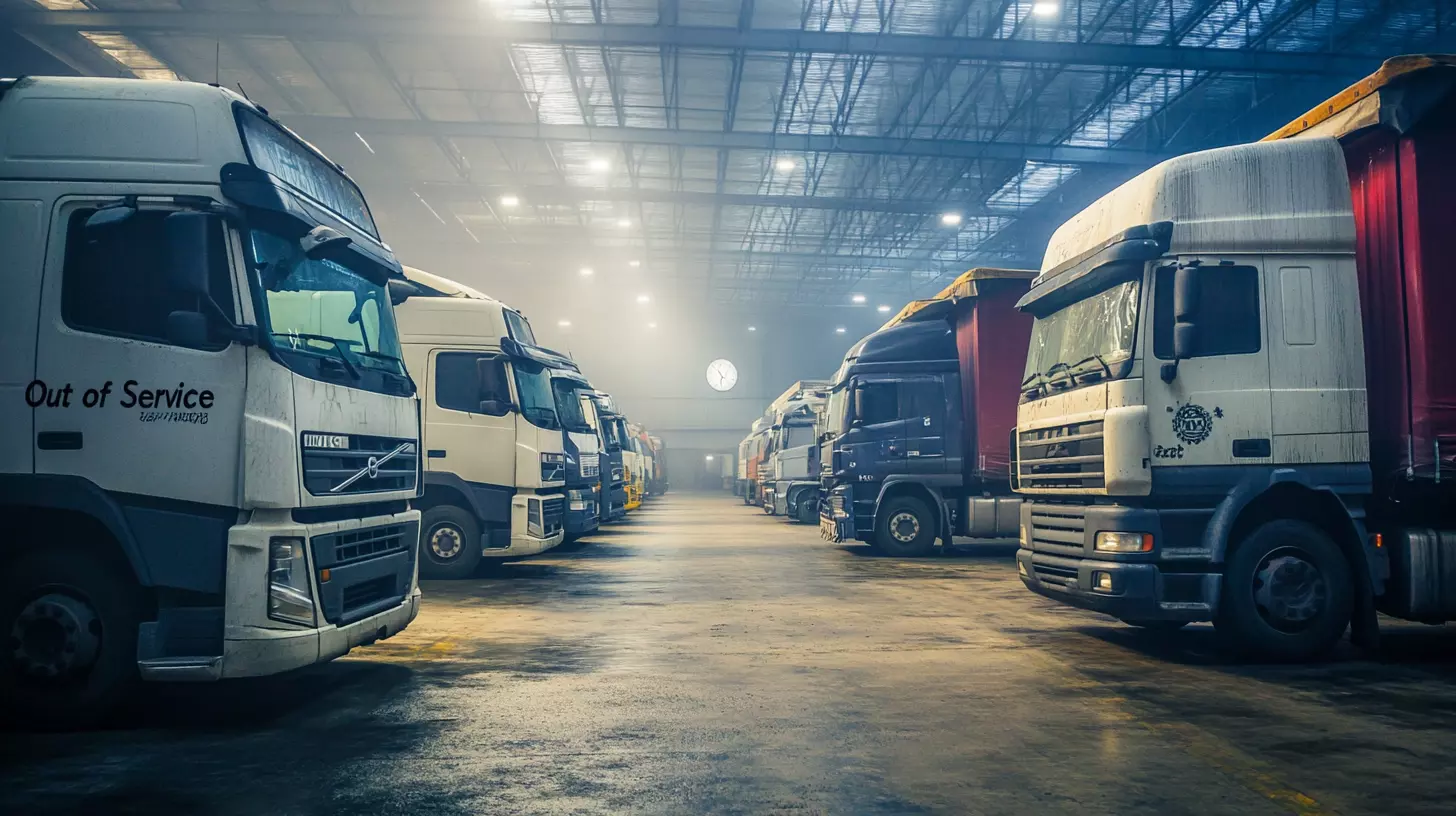
How To Improve Commercial Fleet Efficiency, Commercial fleet efficiency is one of the most important factors in reducing operational costs, improving delivery performance, and increasing customer satisfaction. Whether a company operates a small delivery fleet or manages hundreds of trucks across multiple regions, improving efficiency can lead to major savings in fuel, maintenance, and labor while also boosting productivity.
In today’s competitive transportation and logistics industry, businesses are constantly searching for better ways to optimize routes, reduce downtime, and improve vehicle performance. Understanding how to improve commercial fleet efficiency can help companies stay profitable and maintain a strong reputation in the market.
What Is Commercial Fleet Efficiency?
Commercial fleet efficiency refers to how effectively a business manages its vehicles, drivers, fuel consumption, maintenance schedules, and logistics operations. An efficient fleet minimizes waste, reduces costs, and ensures vehicles operate at maximum productivity.
Fleet efficiency includes several important areas:
- Fuel management
- Driver performance
- Vehicle maintenance
- Route optimization
- Fleet tracking
- Load management
- Technology integration
By focusing on these areas, businesses can improve operational performance and maximize profits.
Benefits of Improving Commercial Fleet Efficiency
Companies that invest in fleet optimization often experience significant long-term benefits.
Reduced Fuel Costs
Fuel is one of the biggest expenses for commercial fleets. Efficient route planning, proper vehicle maintenance, and driver training can significantly lower fuel consumption.
Lower Maintenance Expenses
Preventive maintenance reduces unexpected breakdowns and extends vehicle lifespan, helping businesses avoid costly repairs.
Improved Driver Safety
Efficient fleets often include safety monitoring systems and driver training programs that reduce accidents and improve compliance.
Better Customer Satisfaction
On-time deliveries and reliable service improve customer trust and strengthen business relationships.
Increased Productivity
Optimized scheduling and better fleet management allow companies to complete more deliveries in less time.
Use Fleet Management Software
One of the best ways to improve commercial fleet efficiency is by using advanced fleet management software. Modern systems provide real-time data about vehicles, drivers, fuel usage, and maintenance needs.
Fleet management software helps businesses:
- Track vehicle locations in real time
- Monitor driver behavior
- Schedule preventive maintenance
- Optimize delivery routes
- Analyze fuel consumption
- Generate performance reports
These insights allow fleet managers to make smarter decisions and improve overall operations.
Optimize Routes for Better Performance
Route optimization plays a major role in fleet efficiency. Poor route planning increases fuel costs, delivery delays, and vehicle wear.
Businesses should use GPS tracking and route planning tools to:
- Avoid traffic congestion
- Reduce idle time
- Minimize unnecessary mileage
- Improve delivery schedules
- Shorten travel times
Efficient routes help drivers complete more jobs while using less fuel.
Train Drivers for Fuel-Efficient Driving
Driver behavior directly impacts commercial fleet efficiency. Aggressive driving habits such as speeding, rapid acceleration, and excessive idling waste fuel and increase maintenance costs.
Companies should provide regular driver training programs focused on:
- Smooth acceleration and braking
- Maintaining proper speed limits
- Reducing idle time
- Safe driving practices
- Fuel-efficient driving techniques
Reward programs for efficient driving can also motivate employees to improve performance.
Schedule Preventive Maintenance
Preventive maintenance is essential for keeping commercial vehicles in excellent condition. Poorly maintained vehicles consume more fuel and are more likely to experience costly breakdowns.
Important maintenance practices include:
- Regular oil changes
- Tire inspections
- Brake checks
- Engine diagnostics
- Battery testing
- Fluid level monitoring
Routine inspections help identify small issues before they become major problems.
Monitor Fuel Usage Carefully
Fuel management systems allow companies to monitor consumption patterns and identify wasteful practices.
Fleet managers can improve fuel efficiency by:
- Tracking fuel purchases
- Monitoring fuel theft
- Identifying inefficient vehicles
- Reducing unauthorized vehicle use
- Reviewing driver fuel performance
Accurate fuel tracking helps businesses control costs and improve accountability.
Reduce Vehicle Idling
Excessive idling wastes fuel and increases engine wear. Even a few minutes of unnecessary idling each day can result in substantial annual fuel losses across a large fleet.
To reduce idling:
- Use automatic engine shutoff systems
- Educate drivers about idle reduction
- Monitor idle time through telematics
- Encourage efficient loading and unloading
Reducing idle time can significantly improve fleet efficiency and lower emissions.
Upgrade Fleet Vehicles
Older vehicles often consume more fuel and require frequent repairs. Investing in newer, fuel-efficient vehicles can improve long-term fleet performance.
Businesses should consider:
- Hybrid commercial vehicles
- Electric delivery vans
- Fuel-efficient diesel engines
- Lightweight vehicle designs
Modern vehicles typically include advanced safety systems and telematics technology that support better fleet management.
Use Telematics Technology
Telematics systems collect real-time vehicle data and provide insights into driver behavior and vehicle performance.
Telematics can help companies monitor:
- Speeding incidents
- Harsh braking
- Engine performance
- Fuel usage
- Vehicle location
- Maintenance alerts
These systems allow fleet managers to identify inefficiencies and improve operational control.
Improve Load Management
Overloaded vehicles reduce fuel efficiency and increase wear on tires, brakes, and suspension systems.
Businesses should:
- Balance loads properly
- Avoid unnecessary cargo weight
- Use appropriate vehicle sizes
- Improve warehouse loading procedures
Efficient load management improves vehicle performance and reduces operating costs.
Analyze Fleet Data Regularly
Data analysis is essential for continuous improvement. Fleet managers should regularly review key performance indicators (KPIs) such as:
- Fuel cost per mile
- Vehicle downtime
- Driver safety scores
- Maintenance costs
- Delivery times
- Fleet utilization rates
Tracking these metrics helps businesses identify trends and make informed decisions.
Encourage Sustainability Practices
Sustainable fleet operations not only reduce environmental impact but can also lower operational costs.
Eco-friendly fleet strategies include:
- Using alternative fuels
- Reducing idle time
- Improving route efficiency
- Recycling vehicle parts
- Transitioning to electric vehicles
Many customers and partners also prefer working with environmentally responsible companies.
Final Thoughts
Learning how to improve commercial fleet efficiency is essential for businesses that rely on transportation and logistics. By combining smart technology, preventive maintenance, driver training, and route optimization, companies can reduce costs, improve productivity, and strengthen customer satisfaction.
Efficient fleet management is not just about saving money — it is about building a reliable, scalable, and competitive operation for long-term success. Businesses that continuously monitor performance and adapt to new technologies will be better positioned to thrive in the evolving transportation industry.